
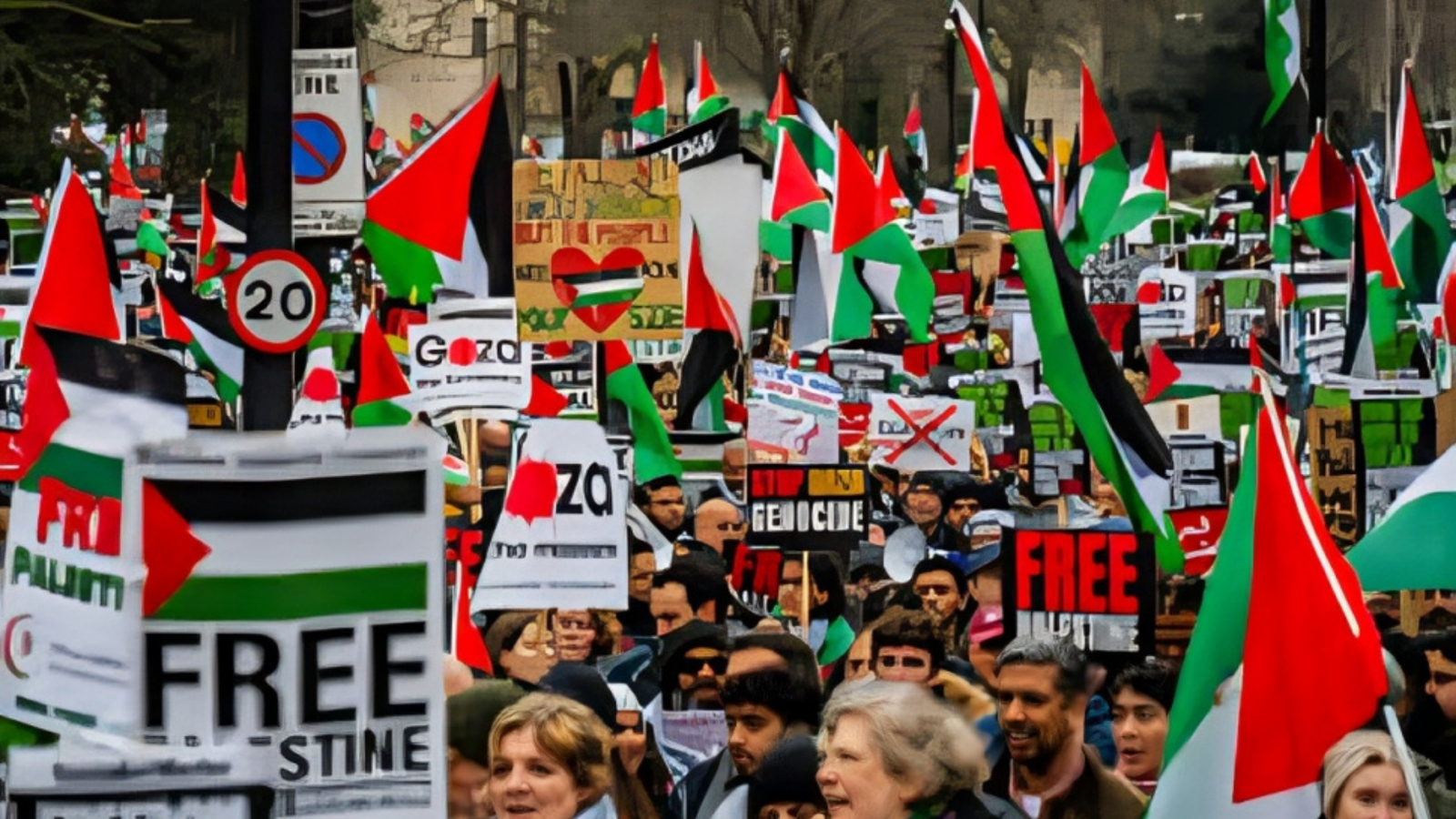
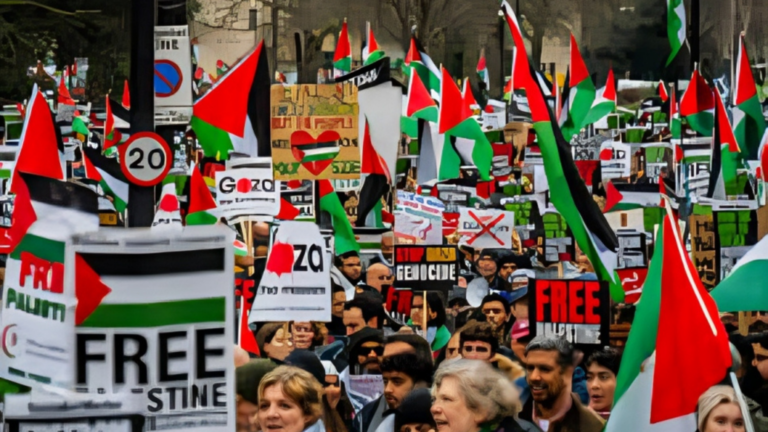
Two major demonstrations one opposing high immigration and warning of a perceived Islamic threat to British identity, and another supporting Palestinians brought tens of thousands of people into central London on Saturday, prompting one of the largest policing operations in recent years.
The Metropolitan Police deployed 4,000 officers, including reinforcements from outside London, promising “the most assertive possible use of our powers.” By the end of the day, officers reported 43 arrests for various offences and described both protests as “largely without significant incident.” Police had earlier estimated turnout would exceed 80,000.
Prime Minister Keir Starmer sharply criticised the organisers of the anti‑immigration Unite the Kingdom march, accusing them of “peddling hate and division.” The event was led by anti‑Islam activist Stephen Yaxley‑Lennon, widely known as Tommy Robinson.
For deeper context, you may explore Tommy Robinson or UK immigration debate.
The government barred 11 foreign far‑right figures from entering the UK to address the rally. Robinson’s previous protest in September drew around 150,000 people, according to police, and featured a video message from Elon Musk.
Robinson supporters gathered waving British and English flags. Many expressed concerns about migration levels.
“I think that too much migration not migration, but too much migration is causing a lot of problems, upsetting a delicate balance here,” said marcher Allison Parr, who also criticised net‑zero environmental policies.
Annual net migration reached nearly 900,000 in both 2022 and 2023 before falling to around 200,000 last year following tighter visa rules.
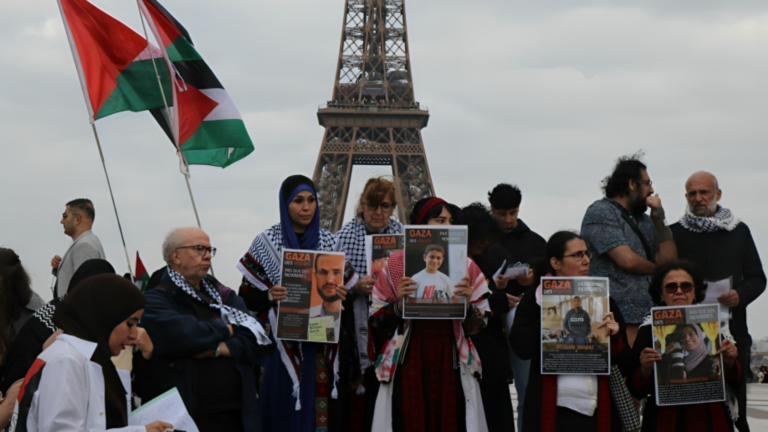
Running separately but simultaneously, the pro‑Palestinian march drew large crowds calling for an end to the war in Gaza and urging stronger UK action. Police kept the two groups apart throughout the day.
The National Mall‑style policing footprint and the political tension surrounding both marches underscore the UK’s increasingly polarised public debate on immigration, national identity and the Middle East conflict.



+ There are no comments
Add yours