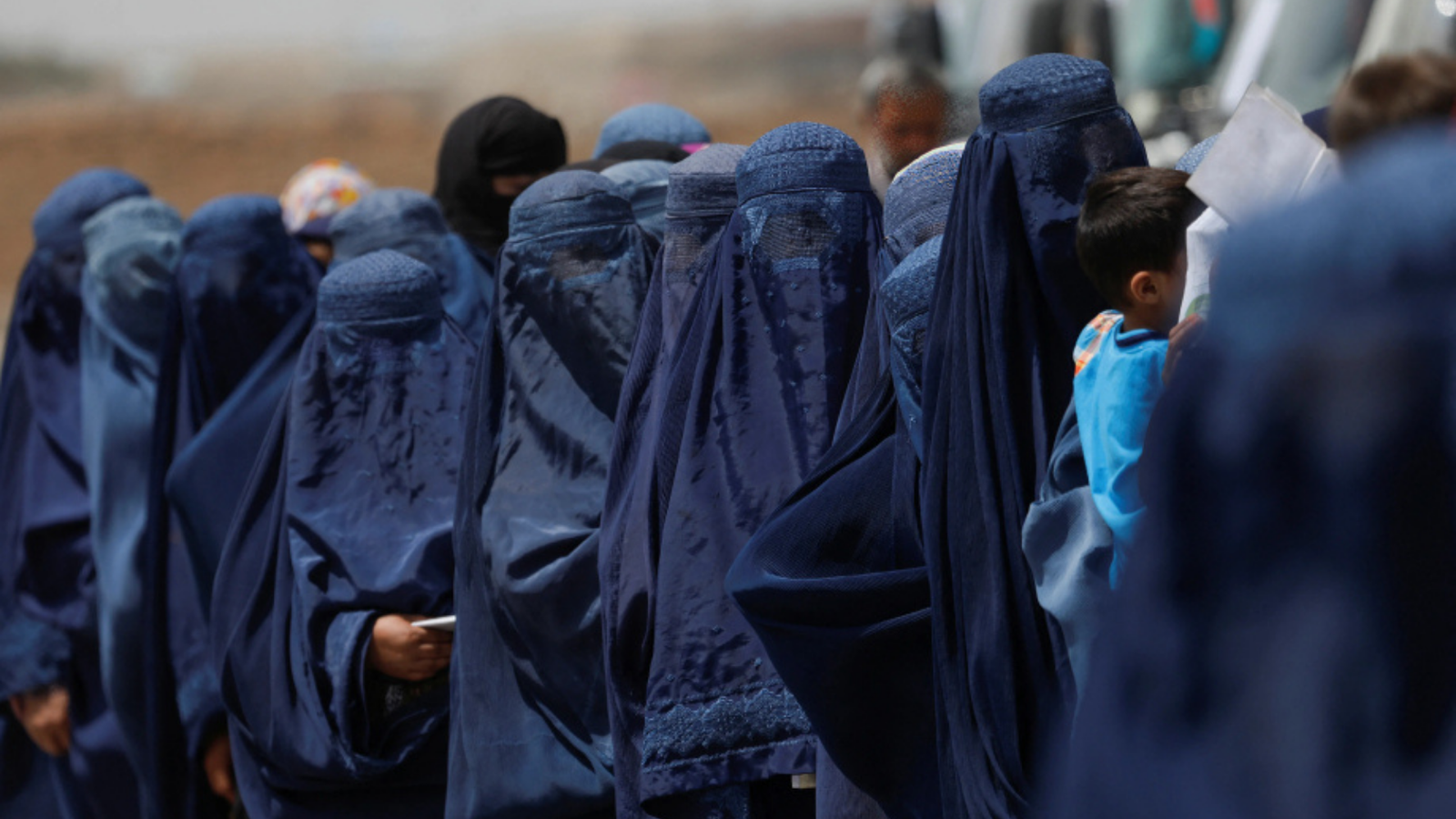
UN human rights experts have sharply condemned the Taliban’s detention of dozens of women in Afghanistan for alleged dress code violations, warning that the arrests and the violent crackdown on subsequent protests represent a serious escalation in the regime’s repression of women and girls.
The experts said they were “deeply concerned” by reports that Taliban authorities detained women in Herat on June 6-7 for allegedly failing to comply with strict attire rules, including mandatory burkas or chadors with full face coverings and a ban on perfume.
The arrests triggered rare public demonstrations on June 9, during which Taliban forces opened fire on protesters and beat men, women and children. At least two people, including a young boy, were reportedly killed and more than 20 injured.
They stressed that under international law, the use of force in law enforcement is tightly restricted and must be legal, necessary and proportionate. Even reports that some protesters threw stones, they said, “would not, in themselves, meet the strict threshold for the use of lethal force.”
The group which includes Richard Bennett, Reem Alsalem, Morris Tidball‑Binz, Alice Jill Edwards, Gina Romero, and members of the Working Group on discrimination against women and girls also condemned the arrests themselves.
Detaining women over clothing, they said, may amount to arbitrary and unlawful detention, violating rights to freedom of expression and protection from gender discrimination.
The experts urged the Taliban to launch a prompt, independent and transparent investigation into the use of force, determine whether lethal measures were justified, and immediately release all detainees including women arrested over dress code rules and protesters swept up in the crackdown. They also called for an end to house searches, access to medical care for the injured, and guarantees against ill‑treatment.
They warned that equality, peaceful assembly, freedom of expression and movement, and protection from arbitrary detention are essential to restoring public trust and preventing further deterioration of Afghanistan’s human rights situation.










+ There are no comments
Add yours