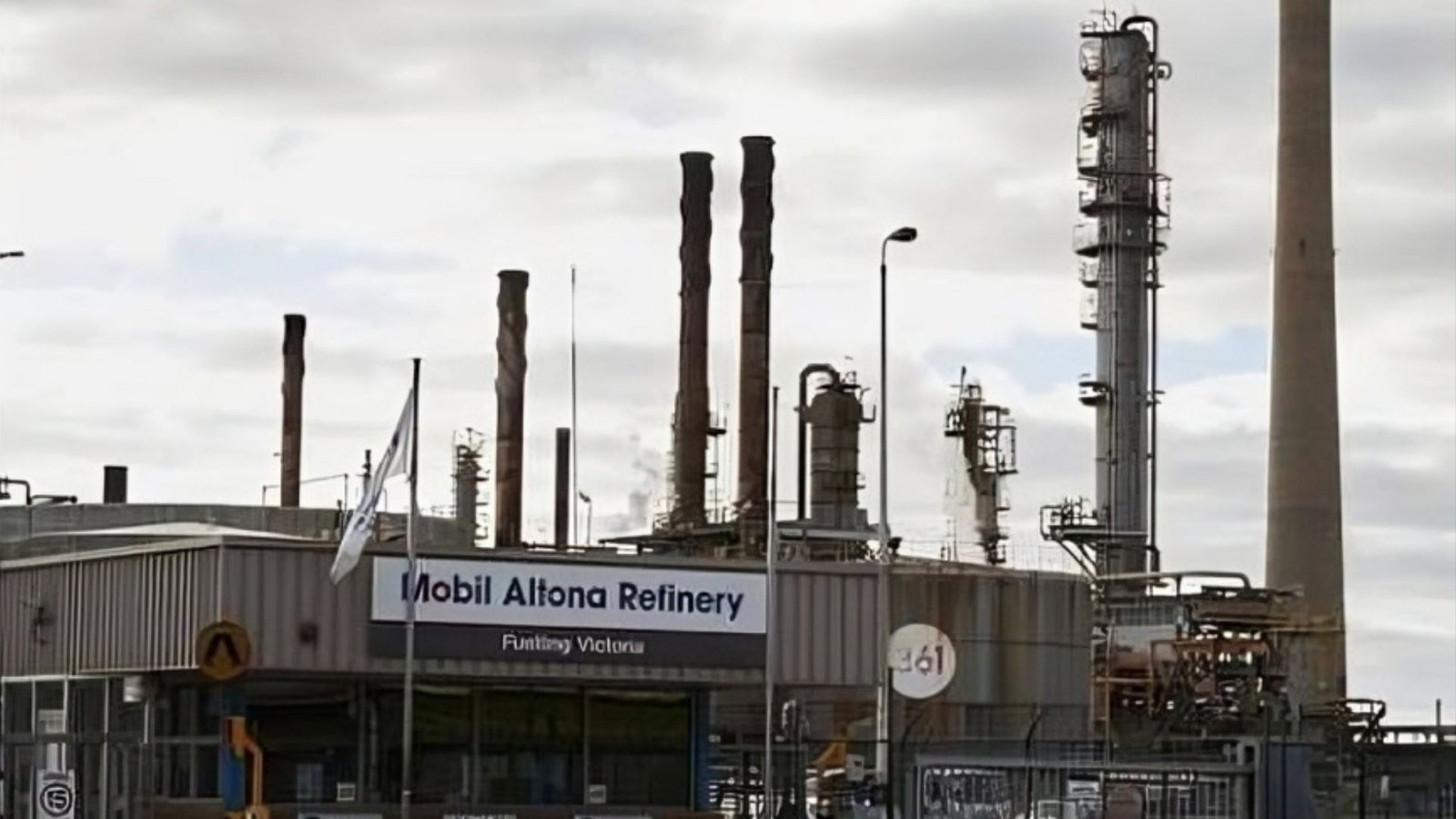
Australia is considering building its first new oil refinery in decades, with the federal government preparing to investigate a large‑scale facility in Western Australia as part of a broader push to strengthen national fuel security.
Prime Minister Anthony Albanese and WA Premier Roger Cook are expected to announce a $4 million pre‑feasibility study on Tuesday, the ABC understands. The proposal comes from Perth‑based multinational Perdaman, best known for its fertiliser operations, and would mark a major shift in Australia’s energy landscape.
Today, only two oil refineries remain in the country in Brisbane and Geelong after years of closures driven by economic pressures. BP’s shutdown of the Kwinana refinery in 2021, once Australia’s largest, underscored the nation’s vulnerability to global fuel disruptions.
The study forms part of a $15 billion federal package aimed at bolstering fuel security and energy sovereignty amid rising geopolitical risks. Just over two decades ago, Australia operated eight refineries, but most were deemed unviable and shuttered.
WA has already taken steps to safeguard supply. In March, Premier Cook appointed a Fuel Supply State Controller to manage risks linked to the Middle East conflict. In April, the state invoked emergency powers requiring fuel companies to share supply chain information.
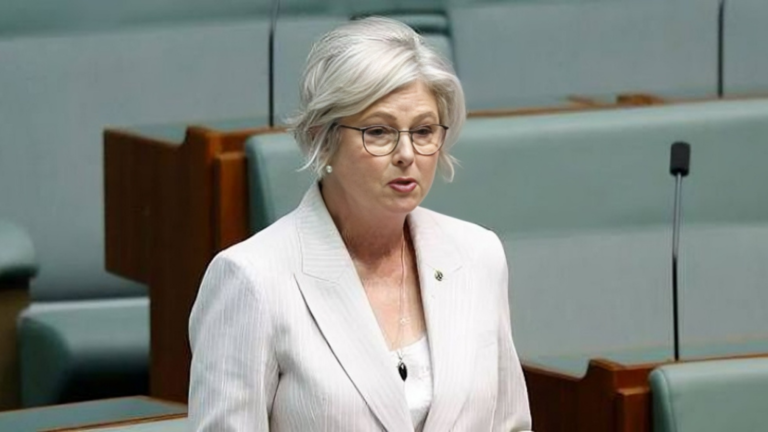
Albanese said Australia must prepare for future shocks, warning that the prolonged Middle East war would increasingly affect domestic fuel availability. “We will do everything we can to shield Australia from the worst effects,” he said.
Last week, the Commonwealth confirmed Australia currently holds 42 days of petrol, 38 days of diesel, and 32 days of jet fuel figures that highlight the urgency of new domestic capacity
Premier Cook said he supports Perdaman’s efforts to rebuild WA’s ability to produce and distribute its own fuel, noting that the proposed refinery would replace ageing infrastructure rather than expand gas reliance. A government spokesperson said coal‑replacement energy would come from renewables, including Mid‑West wind farms.
The project remains in its early stages, and no cost estimate has yet been released.








+ There are no comments
Add yours