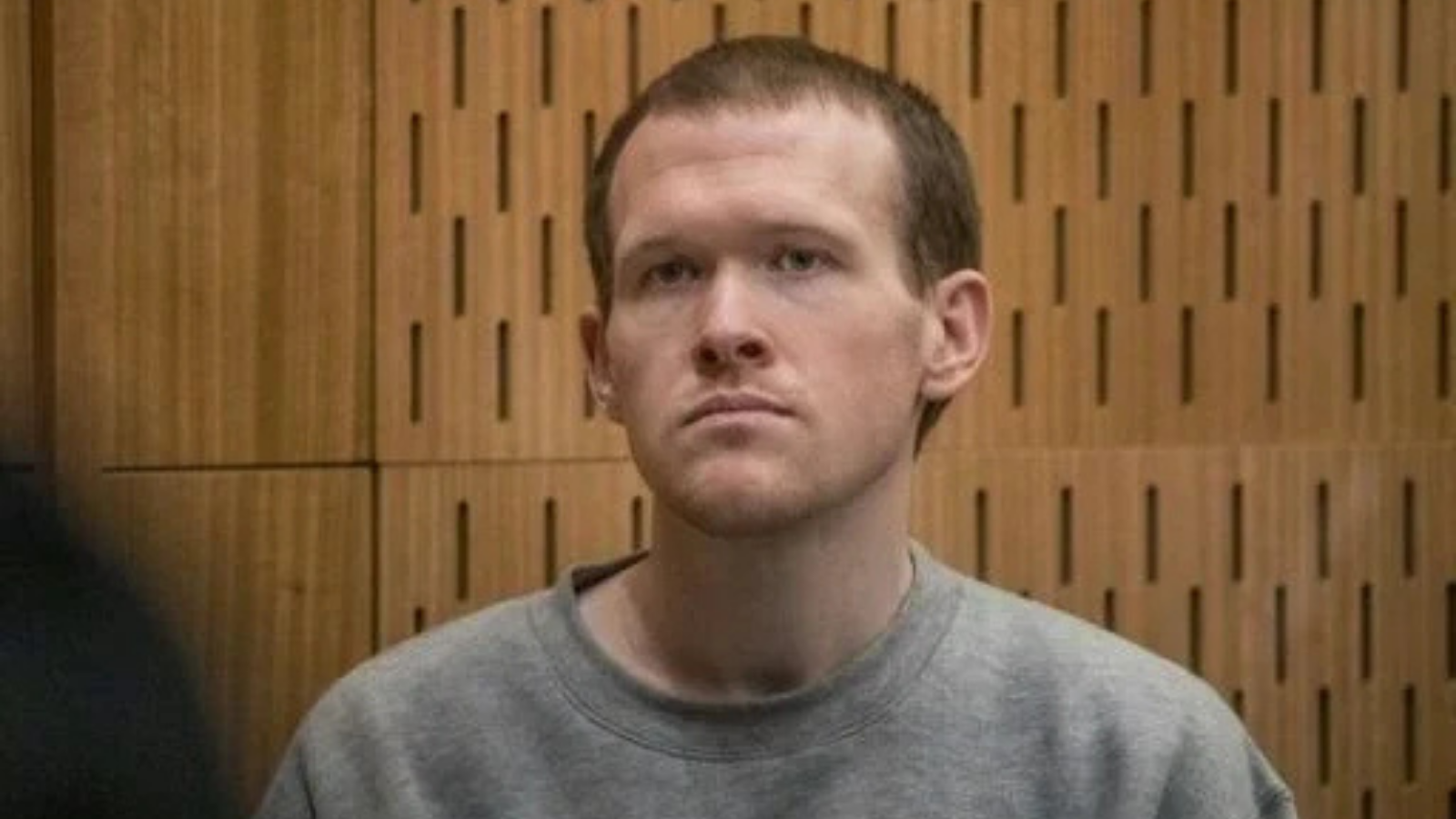
The man responsible for one of New Zealand’s darkest days has failed in his attempt to reverse the guilty pleas that spared the country a lengthy and traumatic trial. Brenton Tarrant, the white supremacist who murdered 51 Muslims during Friday prayers at two Christchurch mosques in 2019, was firmly rejected by the Court of Appeal on Thursday after arguing he pleaded guilty under pressure.
A panel of three judges dismissed Tarrant’s claim that harsh prison conditions coerced him into admitting to terrorism, murder and attempted murder. The Australian, now 35, carried out the attack using semiautomatic weapons, killing worshippers and injuring dozens more in an assault that shocked the world and reshaped New Zealand’s gun laws.
His guilty pleas in March 2020 brought relief to grieving families who feared he would use a public trial to amplify his extremist ideology. The court noted that his appeal was filed 505 days past the legal deadline, and its failure ensures that no such trial will take place.
During a five‑day hearing in February, Tarrant argued that poor mental health had caused “irrationality” and a temporary abandonment of his racist beliefs. But the judges found no evidence to support his claims. Testimony from prison staff, mental‑health professionals and his former lawyers contradicted his narrative.
In their ruling, the judges wrote that Tarrant “was not suffering from a mental impairment” that would have prevented him from making a voluntary decision. They added that he attempted to mislead the court in a “weak attempt” to justify an appeal, despite clear evidence that his guilty pleas were informed and deliberate.
The court also revealed that Tarrant tried to abandon his own appeal shortly after the February hearing. That request, too, was rejected. The judges said the case held “significant public interest” and required a final determination. They suggested Tarrant may have realized the hearing was not going in his favor and attempted to withdraw only after presenting his arguments.
Under New Zealand law, appellants cannot automatically abandon an appeal once proceedings have begun.












+ There are no comments
Add yours