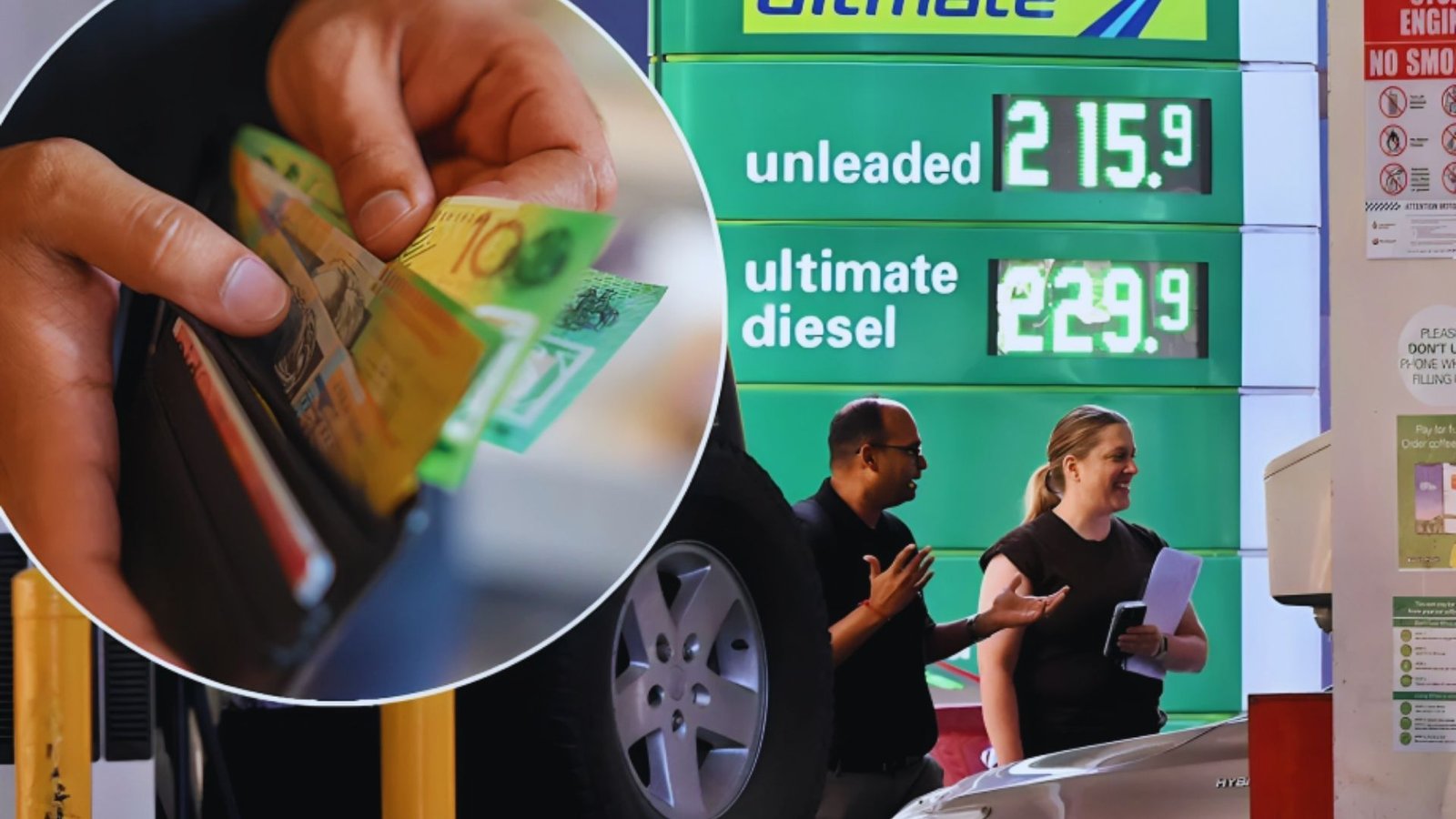
Every month, 83‑year‑old Suzenne A’Neile carefully records every dollar she spends, tracking her budget with the precision of someone who has weathered many economic storms. But even she can see what’s unfolding across Australia: the spread of localised fuel shortages is a clear sign that the federal government’s “no need to panic buy” message simply isn’t cutting through.
As the Iran war and the blockade of the Strait of Hormuz push global oil prices higher, Labor’s focus on securing supply is understandable. Yet for motorists watching prices spike, queues lengthen and regional bowsers run dry, reassurance means little when the incentives point in the opposite direction. People respond to what they see and what they see is volatility.
In that environment, topping up the tank or even overfilling becomes a rational hedge. And for farmers and industries dependent on diesel, the threat real or perceived is existential. The more Australians hear there might be a problem, the more they behave as though there already is one, creating a feedback loop the government has struggled to break.
Reassurance alone rarely works when price boards are flashing higher numbers by the hour. Nor does lecturing people to “only take what they need” resonate when the cost of being wrong feels far greater than the social pressure to behave responsibly.
Yes, the amount of petrol and diesel onshore is the same as it was before the US‑Israeli strikes on Iran three weeks ago but that fact was never going to calm public nerves on its own. People act on perception, not policy briefings.
Prime Minister Anthony Albanese and Energy Minister Chris Bowen have moved to secure both current and future supply, drawing on reserves and working to ease distribution choke points. The government is also trying to send stronger public signals, including appointing former energy regulator Anthea Harris as the nation’s first fuel supply taskforce coordinator.
But until Australians see stability at the pump, the anxiety and the rush to fill up is unlikely to fade.









+ There are no comments
Add yours