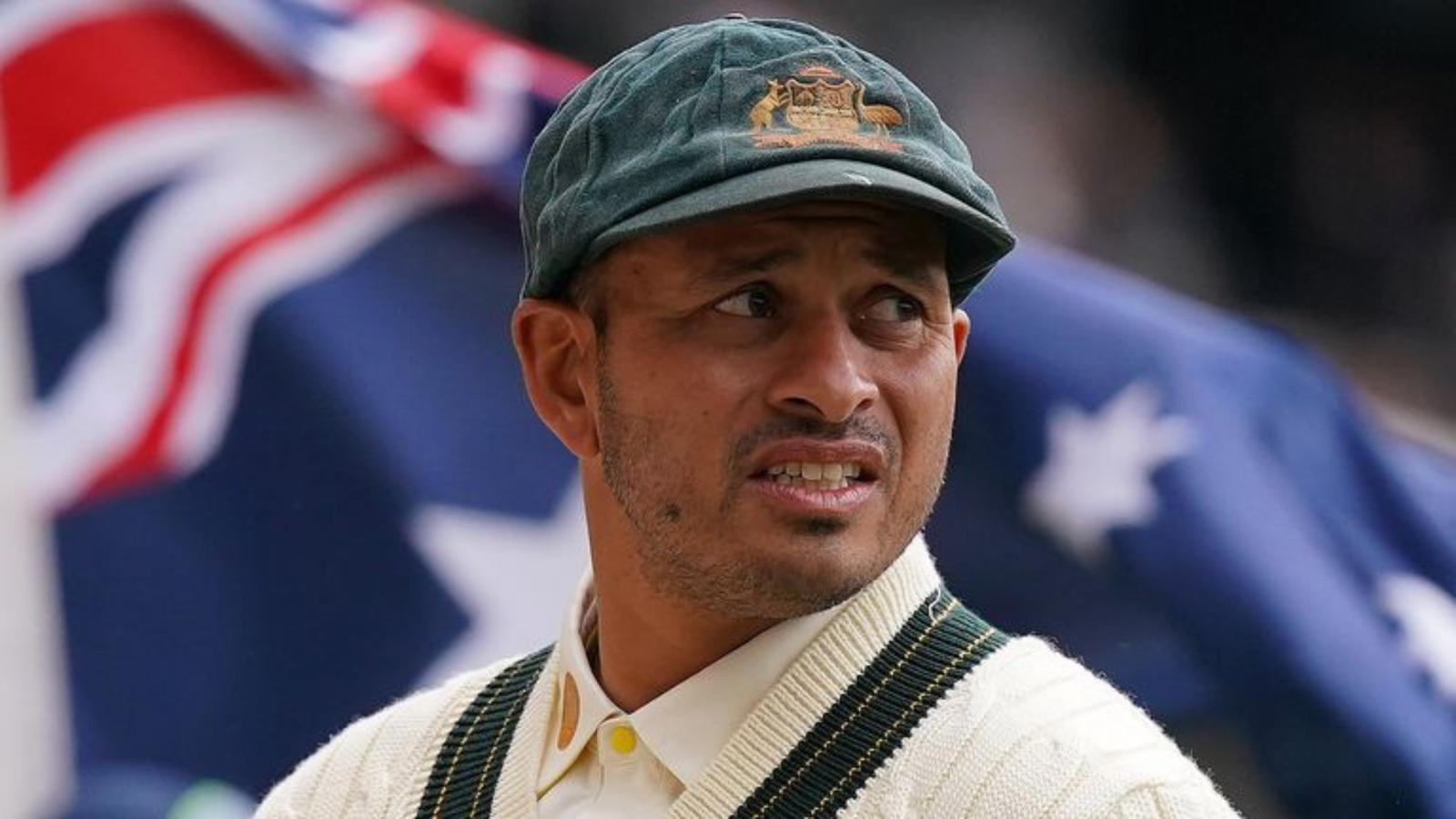
Australian Test cricketer Usman Khawaja has spoken candidly about the racism he experienced growing up in Australia, revealing the challenges he faced as a young migrant trying to find a sense of belonging while pursuing his dream of becoming a professional cricketer.
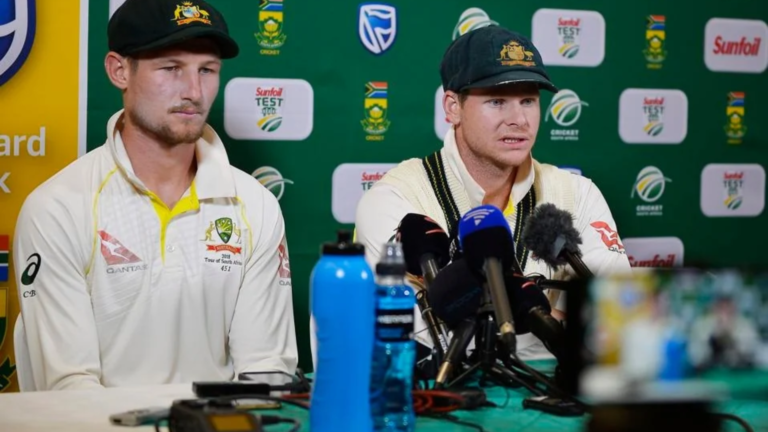
While much of the attention surrounding Khawaja’s recently released autobiography Sabr has focused on his comments regarding the 2018 ball-tampering scandal, the veteran batter has also used the book and recent interviews to discuss his personal journey as a Pakistani-born child adapting to life in Australia.
Speaking on the Imperfects podcast, Khawaja reflected on his family’s early years after moving from Pakistan to Australia, describing the difficulties they encountered while building a new life from scratch.
He revealed that his family of five initially lived in a modest two-bedroom apartment in Sydney and frequently moved homes before eventually settling in the city’s western suburbs.
According to Khawaja, adapting to a new country was not easy, particularly as he arrived speaking very little English and relied mainly on Urdu during his early childhood.
Sport became his pathway to making friends and integrating into Australian society. However, learning the language and embracing Australian culture did not shield him from racial abuse.
Khawaja recalled one of the earliest incidents he can remember.
“I remember the first time I’d ever been called a curry muncher. I think I must have been about seven or eight.”
Despite quickly learning English and excelling in sport, he said racial stereotypes continued to follow him throughout his school years and cricket career.
The Australian opener explained that growing up as a visible minority often left him questioning where he truly belonged, as he attempted to balance his Pakistani heritage with his Australian identity.
Over the years, Khawaja has become one of Australian cricket’s most influential and respected figures, not only for his performances on the field but also for his willingness to speak openly about diversity, inclusion, faith, and social issues.
His story has resonated with many migrant families and young Australians from multicultural backgrounds who have faced similar challenges while trying to establish their identity and place in society.
Today, Khawaja is widely recognised as a trailblazer in Australian cricket, having become the first Muslim player to represent Australia in Test cricket and one of the sport’s strongest voices for equality and representation.
His reflections in Sabr offer a deeply personal account of resilience, belonging, and overcoming adversity, providing readers with insight into the experiences that helped shape one of Australia’s most successful modern cricketers.







+ There are no comments
Add yours