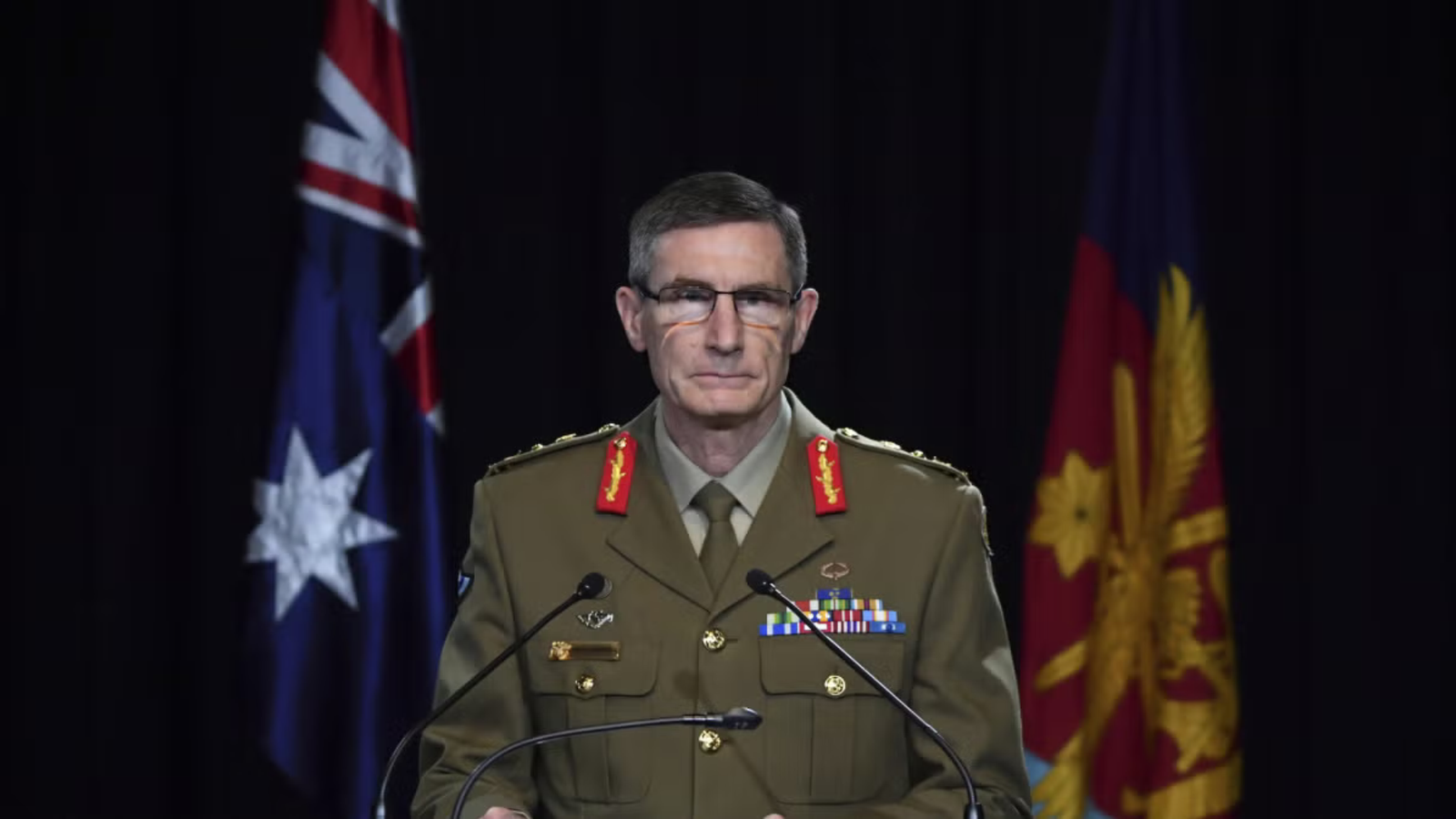
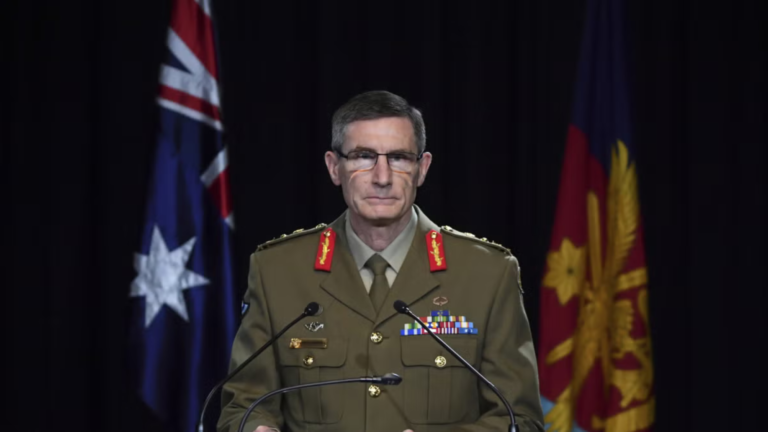
An Australian man has become the first person convicted under the country’s foreign military procurement laws after being found guilty of conspiring to obtain sensitive military equipment for Russia’s armed forces.
The case involved Lee, who was accused of working with associates from China and Russia to acquire aircraft engine components and radar systems intended for the Russian military, a court has heard.
During proceedings, Chief Judge Brian Devereaux was told that emails and messages uncovered by investigators showed Lee had conspired with a Chinese national, a Russian national, and another associate identified as Cher in efforts to source equipment linked to the advanced Sukhoi Su-35 fighter jet programme.
The Su-35 is one of Russia’s most advanced combat aircraft. Russia’s state military export agency describes it as a highly manoeuvrable single-seat fighter designed to engage aerial, ground, and naval targets across a wide range of combat environments.
Russian government descriptions of the aircraft state that it is capable of operating at supersonic speeds, covering long distances, and evading certain air defence systems while conducting strikes against strategic infrastructure and military targets.
During the trial, Jennifer Single, representing the Commonwealth prosecution, told the court the matter marked a historic legal milestone.
“This is the first time a person has been convicted of this offence in Australia,” she told the court.
The conviction is being viewed as a significant development in Australia’s efforts to curb the illegal procurement and transfer of military technology, particularly amid increasing global concern over sanctions enforcement, defence supply chains, and national security.
Authorities have intensified scrutiny of attempts to export or acquire military-related goods that could support foreign armed forces, especially in light of ongoing international conflicts and sanctions regimes.
Legal experts say the case sets an important precedent for future prosecutions involving attempts to obtain or transfer restricted military equipment from Australia to foreign military organisations.
The case also highlights growing cooperation between intelligence agencies, law enforcement bodies, and international partners in tracking networks involved in the procurement of defence-related technology.



+ There are no comments
Add yours