
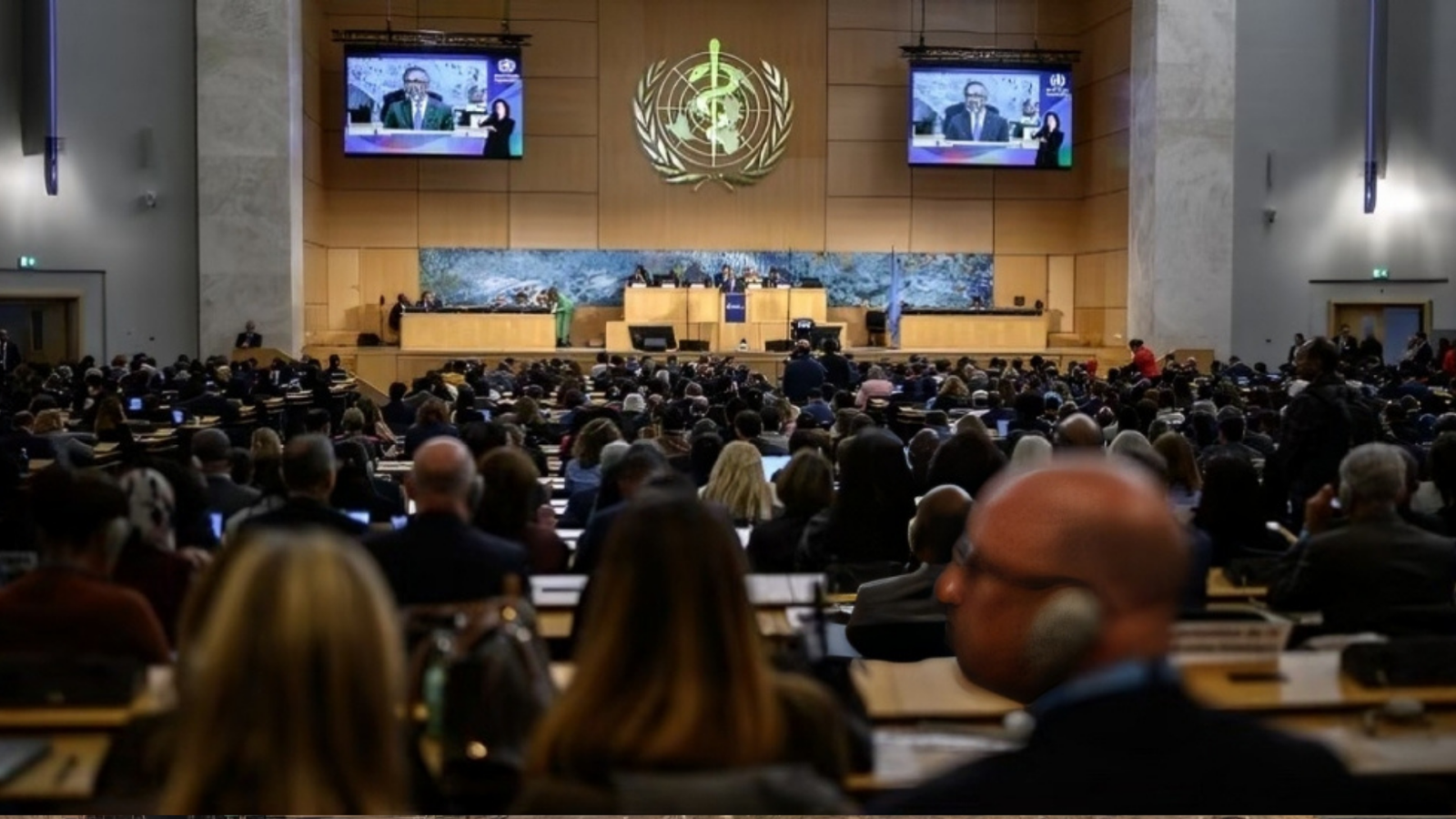
The United Nations General Assembly is preparing for a pivotal vote on Wednesday as member states consider a resolution reaffirming global obligations to combat climate change a long‑anticipated measure that has been significantly softened following pressure from major greenhouse gas emitters.
For climate‑vulnerable nations, the moment is deeply personal. “We can’t take any more disaster and destruction. We all have a right to a future, and this UN resolution is the lifeline we need to grab it,” said 17‑year‑old Vepaiamele of Vanuatu, who testified before the International Court of Justice (ICJ) in 2024.
Vanuatu spearheaded the push for an ICJ advisory opinion on states’ legal responsibilities to uphold their climate commitments. When the court issued its opinion last year, it exceeded expectations, declaring it “unlawful” for countries to neglect their climate obligations a landmark finding that opened the door to potential reparations for nations suffering climate‑driven losses.
Seeking to build momentum, Vanuatu introduced a draft resolution in January aimed at translating the ICJ’s opinion into practical global action. Climate advocates hailed the effort as a potential turning point in the global fight against warming. But months of negotiations have dramatically reshaped the text, with national security and industrial interests taking precedence in many capitals.
The current draft welcomes the ICJ opinion as an “authoritative contribution” to clarifying international law and urges states to comply with their obligations to protect the climate. It also highlights the need to limit global warming to 1.5°C above pre‑industrial levels, including transitioning away from fossil fuels a commitment nearly 200 countries endorsed in 2023.
But one of the most consequential elements of the original proposal has vanished. The creation of an “International Register of Damage,” intended to document climate‑related harm and support future claims for compensation, was removed after resistance from major emitters wary of any mechanism that could force them to pay reparations.
Still, the draft notes that under the ICJ’s interpretation, states violating climate obligations may be required to provide “full reparation to injured states.” Advocates hope the damage registry could re‑emerge in future negotiations, bolstered by an upcoming report from the UN Secretary‑General.
Diplomats say the resolution is unlikely to pass by consensus, unlike the 2024 measure. Several states have already submitted amendments, including oil‑producing nations such as Saudi Arabia, Algeria, Nigeria and Iran, seeking to dilute references that elevate the ICJ opinion as a guiding framework for global climate action.
Vanuatu has warned against further weakening the text, urging nations to stay aligned with the court’s findings as the world confronts escalating climate threats.







+ There are no comments
Add yours