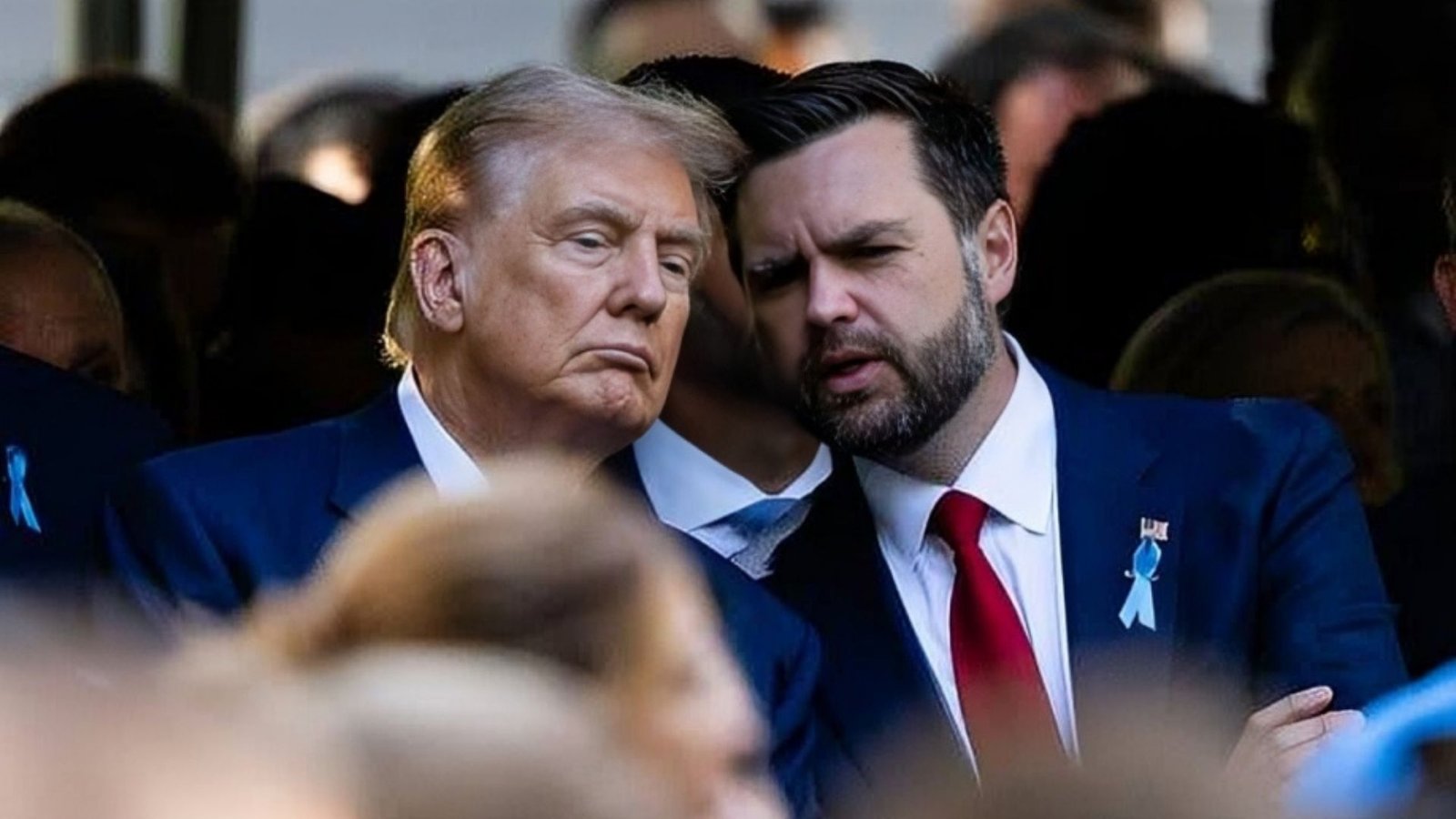
US President Donald Trump and Vice President JD Vance are promoting their interim deal with Iran as a major economic boost for American farmers but Iranian officials insist no such commitment exists, leaving sanctions experts puzzled over how billions in frozen assets would translate into crop purchases from the United States.
The tentative agreement, reached last week, would reopen the Strait of Hormuz, once a vital artery for a fifth of the world’s oil and natural gas. It would also allow Iran to resume selling oil freely during a 60‑day negotiation window, while the US promises to unfreeze long‑restricted Iranian assets.
Critics have slammed the deal for failing to address the very issues Trump cited when launching military action on February 28 including Iran’s nuclear program, missile development and support for groups such as Hezbollah and Hamas.
Pushing back on Tuesday, Trump claimed on Truth Social that the arrangement would deliver a direct payoff to US agriculture. He said the Treasury Department would release Iranian funds “into escrow, controlled by the USA,” and that the money would be used exclusively to buy American food and medical supplies including corn, wheat and soybeans.
“These are things that are desperately needed by Iran,” Trump wrote.
Vance echoed the message after high‑level talks in Switzerland, saying any frozen assets held abroad would be directed toward US crop purchases.
But Iran flatly denies that such terms were agreed. Foreign Ministry spokesperson Esmail Baghaei said any agricultural imports would be based solely on price and quality, not conditions imposed by Washington.
With no public documentation outlining how the funds would move from escrow accounts to American farms, sanctions specialists say the administration has yet to explain the mechanics or legality of the proposed arrangement.









+ There are no comments
Add yours