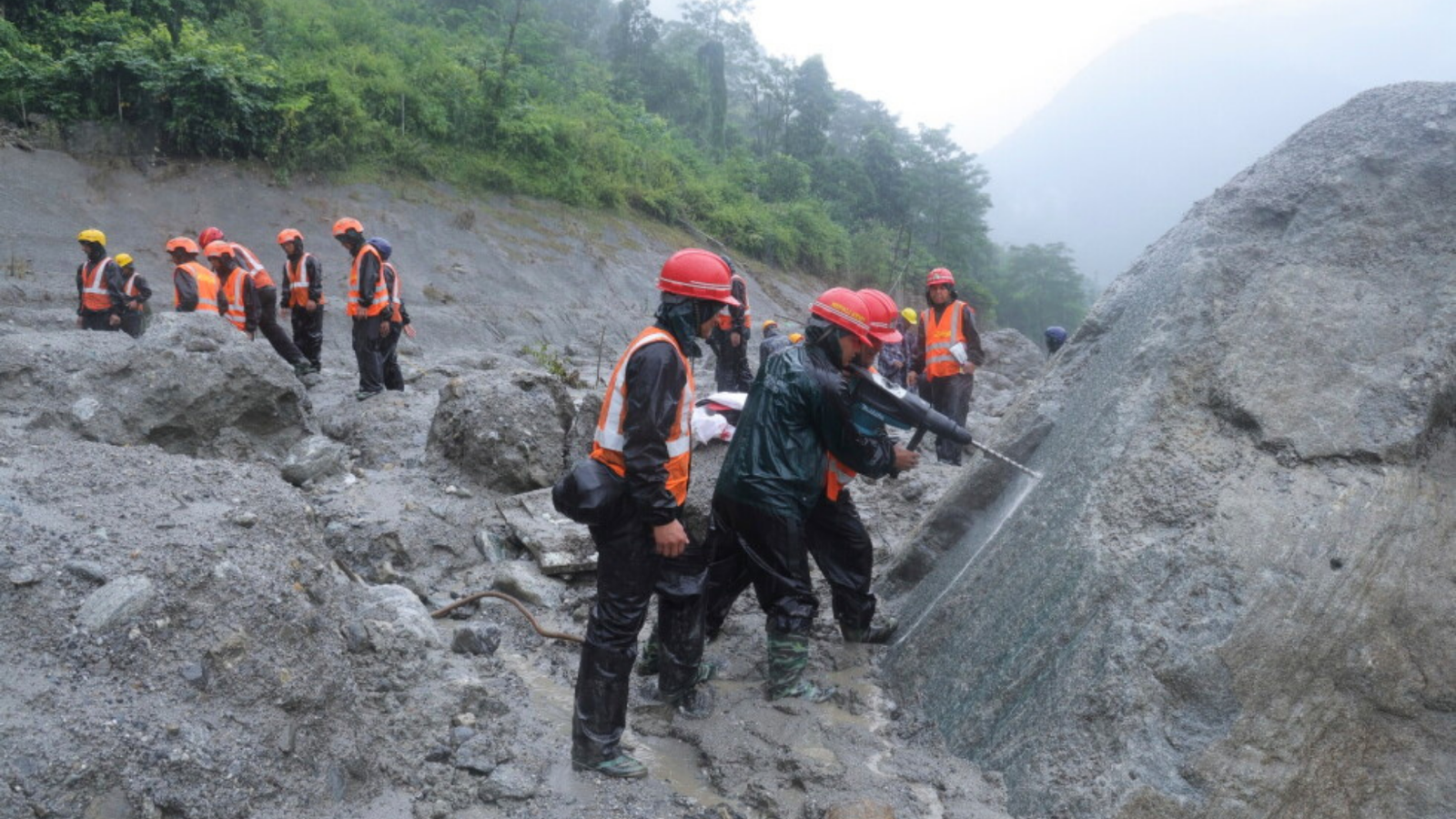
Nepal’s ambitious hydropower expansion is facing a harsh test after catastrophic floods devastated key energy infrastructure, raising questions about the long-term resilience of the country’s renewable energy sector in the face of growing climate risks.
According to the Nepal Electricity Authority (NEA), the Himalayan nation currently operates 225 hydropower plants with a combined installed capacity exceeding 3,900 megawatts, enough to supply electricity to roughly three million households simultaneously. Hundreds more projects are under construction or in various stages of planning, with many located in remote mountain regions where fast-flowing rivers provide ideal conditions for electricity generation.
However, the same mountainous terrain that gives Nepal its vast hydropower potential is becoming increasingly vulnerable. Scientists have warned that high-altitude regions of the Himalayas are warming significantly faster than the global average. Preliminary investigations into last week’s deadly flooding have pointed to the collapse of a glacier and its underlying bedrock as a likely trigger of the disaster.
While researchers say it is too early to directly attribute the event to climate change, Nepal’s Disaster Risk Reduction and Management Authority has previously reported that more than 90% of disaster incidents recorded between 2018 and 2024 were linked to climate-related factors.However, the same mountainous terrain that gives Nepal its vast hydropower potential is becoming increasingly vulnerable. Scientists have warned that high-altitude regions of the Himalayas are warming significantly faster than the global average. Preliminary investigations into last week’s deadly flooding have pointed to the collapse of a glacier and its underlying bedrock as a likely trigger of the disaster.
While researchers say it is too early to directly attribute the event to climate change, Nepal’s Disaster Risk Reduction and Management Authority has previously reported that more than 90% of disaster incidents recorded between 2018 and 2024 were linked to climate-related factors.
The floods delivered a severe blow to Nepal’s energy network, damaging 12 hydropower plants in the Trishuli River basin and knocking out more than 10% of the country’s electricity generation capacity. Plant operators have indicated that the extent of the destruction is still being assessed, and it remains unclear how many facilities can be restored to full operation.
The human toll has also been devastating. More than 1,300 people lost their lives, while thousands remain missing. In addition, hundreds of hydropower workers, engineers and local residents are feared trapped in mud-filled tunnels and damaged project sites affected by the flooding.
Former Energy Minister Kulman Ghising described the disaster as a “once-in-a-century” event and said the tragedy offers critical lessons for Nepal’s future energy development. He emphasized the need for more resilient plant designs, stronger flood protection measures, advanced early-warning systems and comprehensive emergency evacuation protocols.
Nepal’s hydropower success story has been central to the country’s economic progress over the last decade. In 2010, only about two-thirds of the population had access to electricity, while lengthy power outages of up to 16 hours a day were common. Through substantial investment in hydropower projects, improved governance and increased energy imports from India during seasonal shortages, Nepal largely achieved round-the-clock electricity supply by 2018.
Today, nearly all of Nepal’s electricity comes from hydropower generation. The country has become a growing regional energy exporter, earning close to $200 million annually through electricity sales to India and Bangladesh.
Yet the floods have exposed the growing vulnerability of this dependence on hydropower. The glaciers, rivers and mountain landscapes that fuel Nepal’s energy sector are increasingly under pressure from rising temperatures and environmental instability, creating new challenges for policymakers and investors alike.
As the country assesses the damage and begins recovery efforts, the disaster is expected to spark a wider debate on balancing hydropower expansion with climate resilience, infrastructure safety and environmental sustainability.











+ There are no comments
Add yours