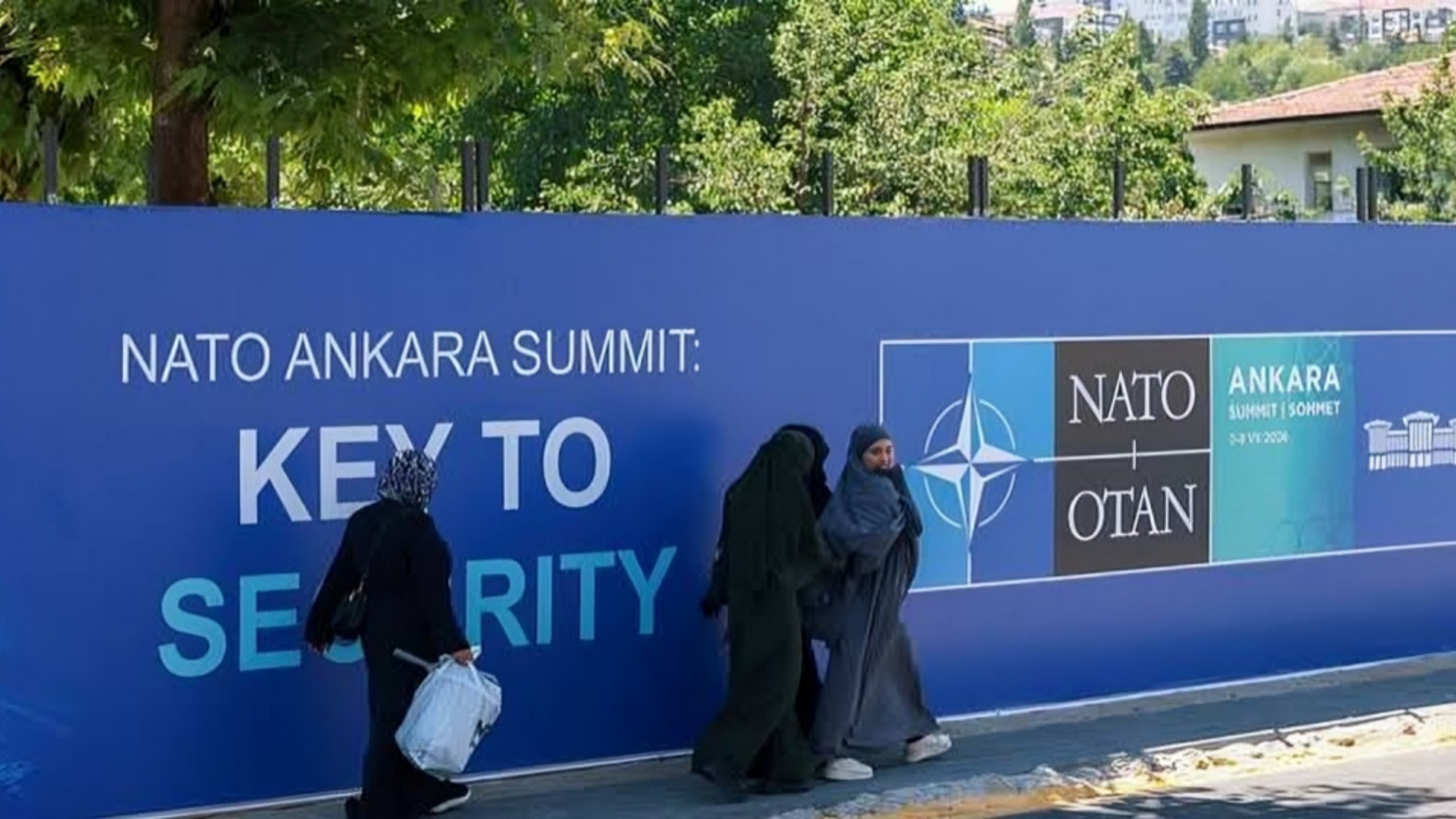
NATO leaders are gathering in Ankara for a high‑stakes summit aimed at calming tensions with US President Donald Trump, who has spent weeks blasting European allies for what he sees as a sluggish response to the war with Iran. With defence spending now surging across the alliance, leaders hope the two‑day meeting at Turkiye’s presidential palace will convince Trump that Europe is finally delivering.
The summit comes one year after NATO members agreed under intense US pressure to lift security spending to five percent of GDP. NATO chief Mark Rutte insists Europe has made “transformational progress,” telling reporters that allies are taking more responsibility for defending the continent as Russia continues to threaten Europe’s eastern flank.
Trump departed Washington late Monday with Secretary of State Marco Rubio and Defense Secretary Pete Hegseth, arriving to a carefully choreographed display of big‑ticket defence commitments. “This is showtime,” one senior European diplomat said, as leaders prepared to unveil tens of billions of dollars’ worth of new arms deals.
Canada set the tone early, announcing it had chosen Germany’s Thyssenkrupp Marine Systems to build its next fleet of submarines a multibillion‑dollar project framed as a deepening of defence ties with European allies.
But Trump remains irritated by Europe’s restrictions on US forces using bases to strike Iran, venting last week on Truth Social: “Ridiculous for the USA to continue along this one‑sided path when the relationship is not reciprocal. They were not there for us!!!”
European leaders are determined to avoid a public clash that could further damage NATO’s credibility. Diplomats are banking on Trump’s strong rapport with Recep Tayyip Erdogan and Rutte’s relentless charm offensive to keep the summit on track. Still, Trump’s recent fallouts including a tense exchange with Italy’s Giorgia Meloni mean any misstep could ignite his anger.
To show they are serious about Iran, France and Britain have spearheaded plans for a potential naval mission in the Strait of Hormuz, with several countries shifting vessels closer to the region. But European governments want clarity on the fragile US‑Iran ceasefire before committing fully.
Behind the scenes, leaders are grappling with a deeper reality: Washington is steadily pulling back. The US has made clear it expects Europe to take the lead on conventional defence and has already reduced assets available to NATO commanders. European nations now aim to prove they can shoulder more responsibility while keeping Trump, and America’s military might, engaged.
“This is NATO 3.0,” Rutte said. “A stronger Europe in a stronger NATO.”
The summit will also deliver major commitments to Ukraine, which has seen US support scaled back. President Volodymyr Zelensky, attending Tuesday’s leaders’ dinner, is set to secure a pledge of €70 billion in military aid for both 2026 and 2027. He will also meet Trump in Ankara, urging the alliance to take “strong decisions” on air defence after a deadly Russian strike killed nearly 30 people.
Zelensky hopes to convince Trump who spoke with Vladimir Putin ahead of the summit that Ukraine is regaining momentum and that Washington should pressure Moscow back into serious peace negotiations. The user should confirm this information with a trusted source.

+ There are no comments
Add yours