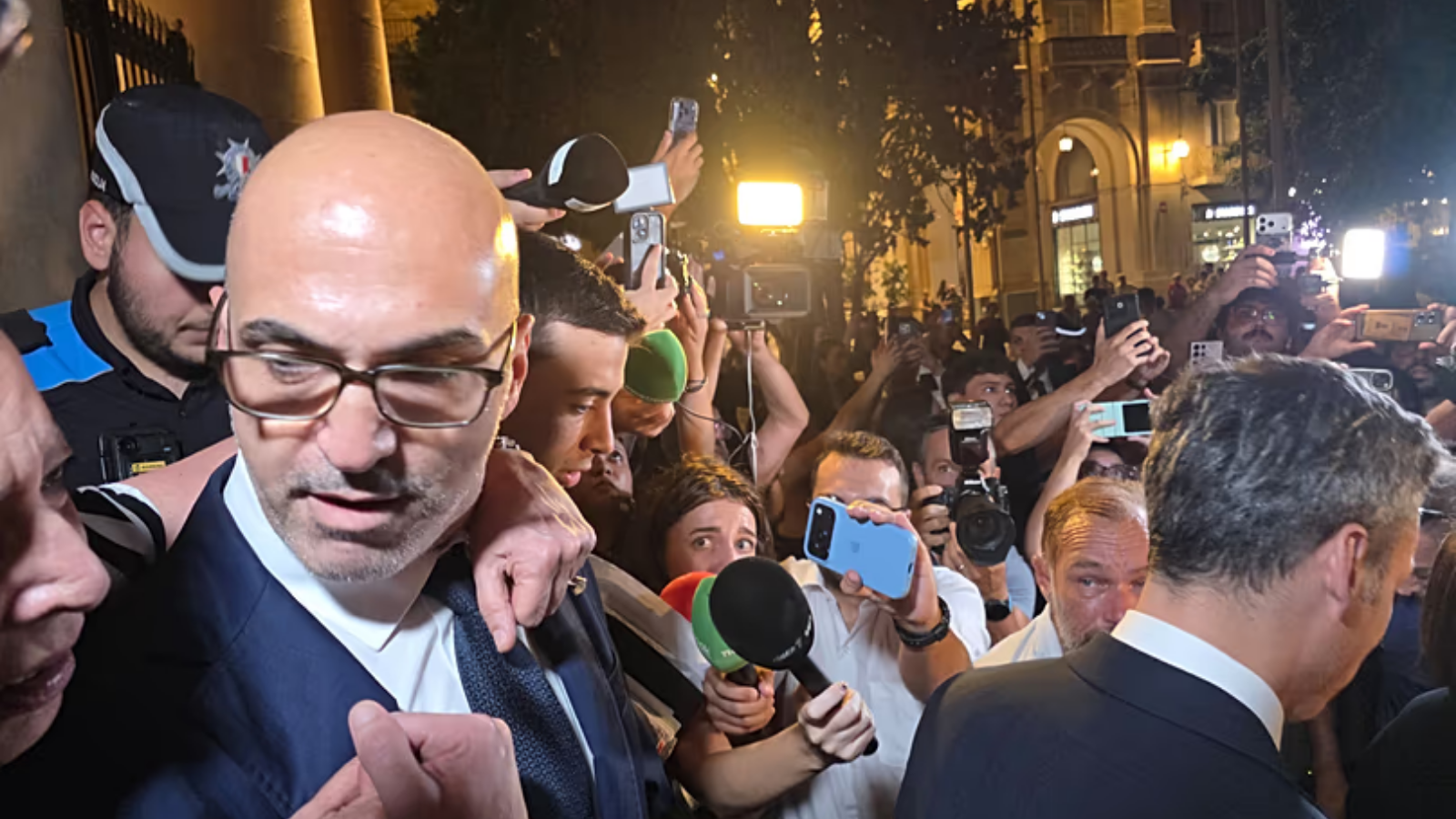
A Maltese court on Wednesday acquitted businessman Yorgen Fenech of orchestrating the 2017 car‑bomb assassination of investigative journalist Daphne Caruana Galizia, a verdict that has triggered widespread anger from her family and media freedom organisations.
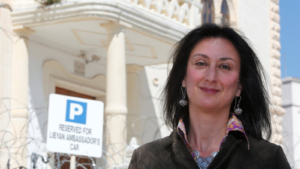
Fenech had long been accused of masterminding the killing of the 53‑year‑old reporter, whose explosive investigations into corruption at the highest levels of Maltese politics and business earned her the nickname “one‑woman WikiLeaks.” Her murder shocked the world, ignited mass protests and ultimately forced the resignation of then‑prime minister Joseph Muscat in January 2020.
Caruana Galizia’s family condemned the acquittal, saying it was “denying her the justice she deserves.” Her son Matthew Caruana Galizia called the jury’s decision “a terrible decision… that our country may never recover from.”
Media freedom groups also reacted sharply. The European Centre for Press and Media Freedom said the verdict sends “a disturbing message to those who attack and kill journalists,” warning it could embolden future threats against reporters.
The case has long symbolised Malta’s rule‑of‑law crisis. A two‑year public inquiry published in July 2021 concluded that the Maltese state should “shoulder responsibility” for the killing due to the “atmosphere of impunity” created by the government at the time.
Fenech’s acquittal now raises fresh questions about accountability in one of Europe’s most notorious journalist killings and whether Malta can rebuild trust in its justice system.








+ There are no comments
Add yours