
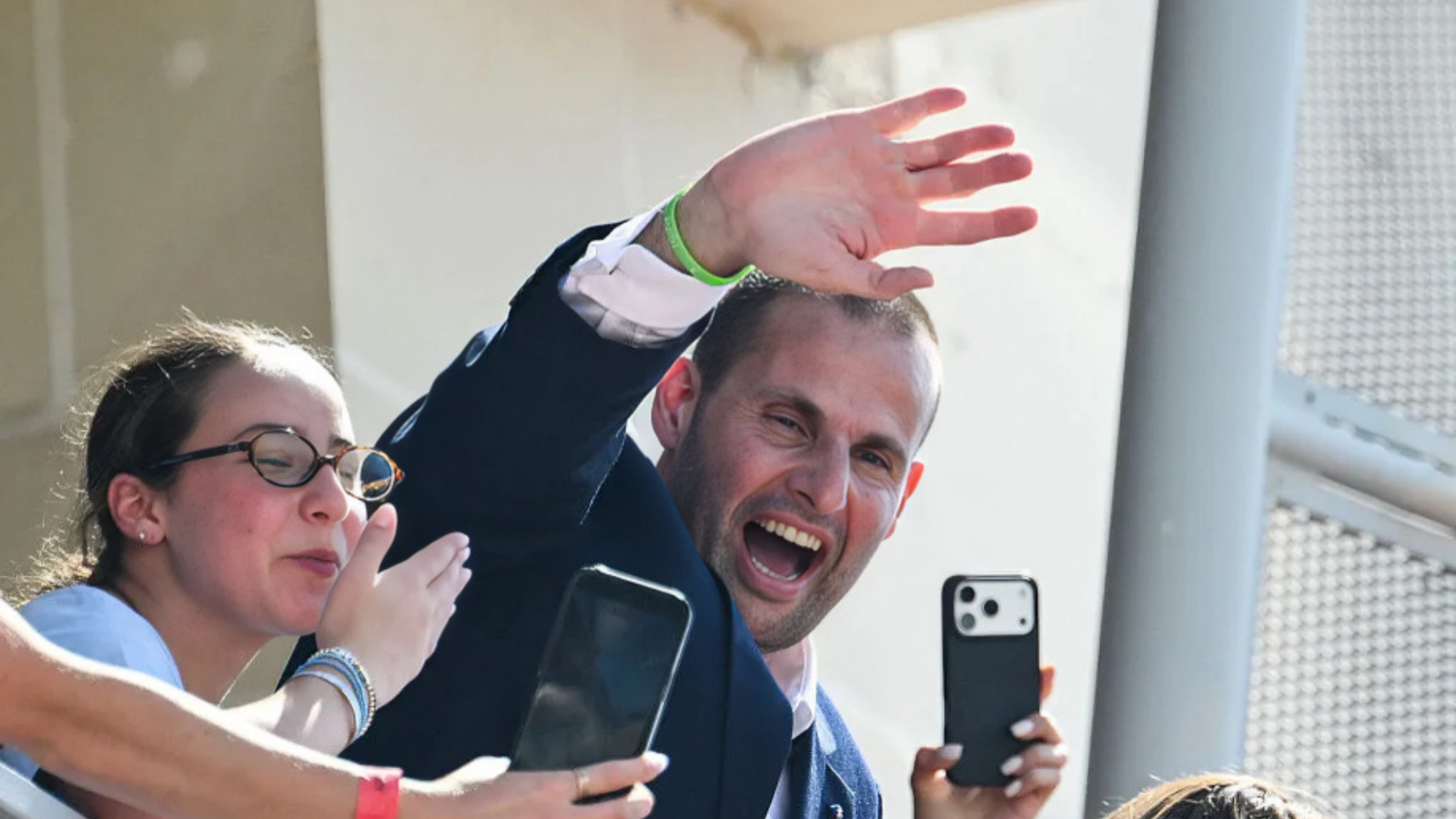
Malta’s Labour Party has secured an unprecedented fourth consecutive term, delivering a decisive victory for Prime Minister Robert Abela, who called a snap election amid global instability.
Fireworks lit up the night sky across the Mediterranean island as jubilant Labour supporters flooded the streets, chanting “four times!” after preliminary results from the Counting House in Naxxar confirmed the governing party’s win. From the balcony of Labour headquarters, a triumphant Abela told cheering crowds, “Today we have written a page in history, together,” as supporters roared back, “Robert is our leader, Hallelujah!”
Abela, 48, called the election a year early, arguing that Malta needed a renewed mandate to navigate the economic risks posed by the Middle East crisis. Despite strong economic growth of 4 percent last year, concerns linger over rising aviation fuel costs, inflation and potential shocks to the island’s tourism‑dependent economy.
Throughout the campaign, Abela leaned heavily on Labour’s economic record since 2013, promising stability during uncertain times. Many voters responded to that message. “I’ve voted Labour since I was a little girl, I’m thrilled,” said 73‑year‑old Margaret Camilleri, celebrating as supporters blasted Queen’s We Are the Champions from truck‑mounted speakers.
Labour’s main challenger, Alex Borg of the Nationalist Party (PN) a 30‑year‑old lawyer and former “Mr World Malta” urged voters to choose change. But the electorate ultimately backed continuity: Labour secured 52 percent of the vote, while PN received 45 percent, according to the Electoral Commission.
Abela has led Malta since 2020, taking office after his predecessor resigned amid a political crisis linked to the 2017 assassination of investigative journalist Daphne Caruana Galizia. A 2025 Council of Europe report found Malta still lags significantly in combating corruption, though the issue barely surfaced during the campaign. Instead, voters prioritised economic performance and stability.
With around 550,000 residents living on just 316 square kilometres, Malta remains the smallest and most densely populated nation in the European Union and now one of its most politically stable, at least for the moment.






+ There are no comments
Add yours