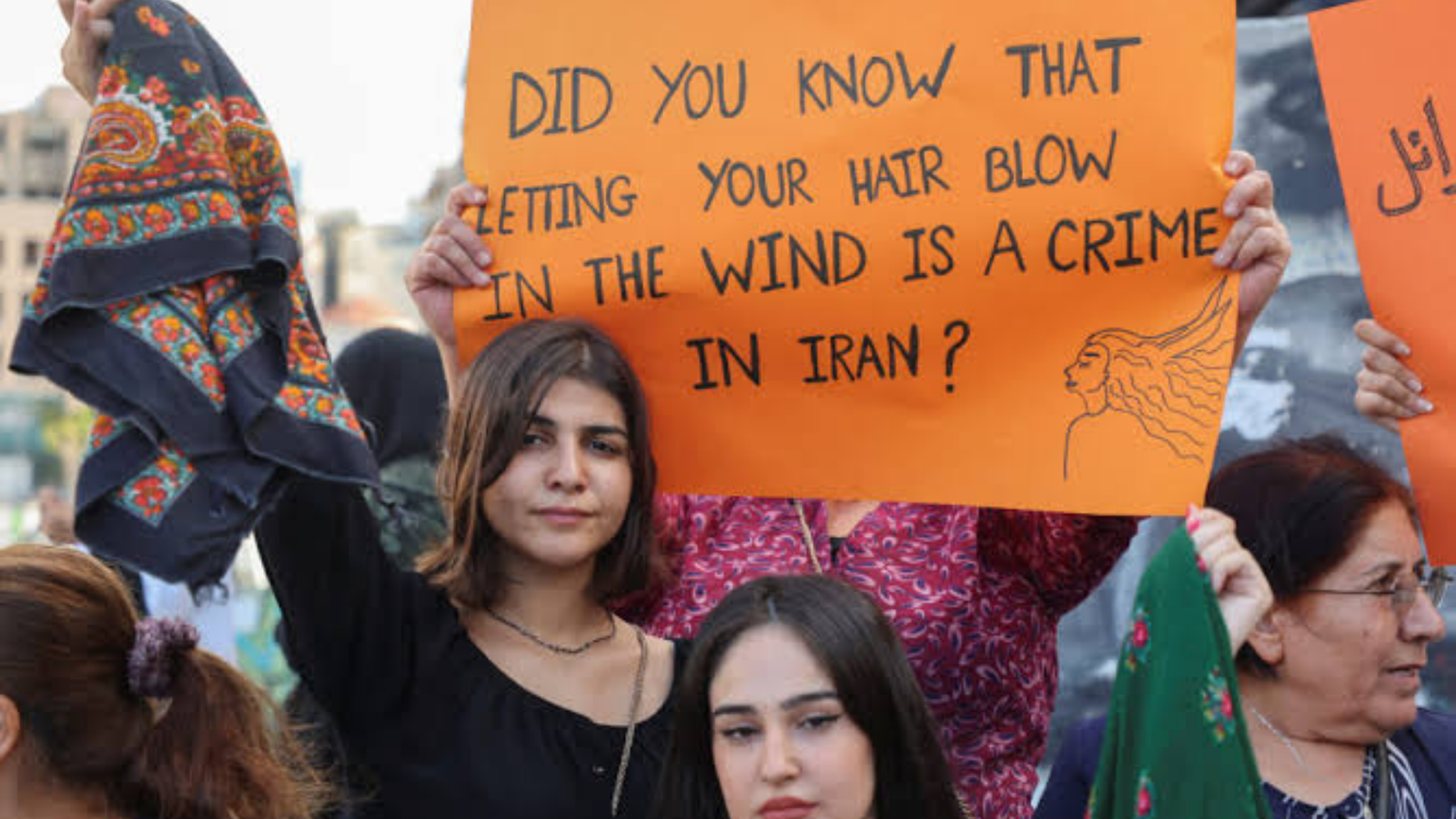
A grieving Iranian mother who says her teenage daughter was shot dead by security forces during anti-government protests has spoken of her determination to seek justice, transforming from an ordinary citizen into one of the regime’s most outspoken critics.
Samira, who now lives abroad in hiding, says she was never politically active before the death of her only child, 16-year-old Sevda, during demonstrations in Iran earlier this year. Before tragedy struck, Samira worked in sales, selling cosmetics and living what she describes as a normal life.
That changed when Sevda was allegedly killed during protests that initially emerged over economic grievances before evolving into broader calls for political change. According to Samira, her daughter’s death marked the beginning of a painful journey, made even more difficult by authorities whom she accuses of obstructing her efforts to recover her daughter’s body.
“I realised that finding Sevda wasn’t the end, but just the beginning of all the harassment they put me through,” she said.
Now living in secrecy for her own safety, Samira describes herself as a “one-woman army fighting the regime” and says she is determined to identify those she believes were responsible for her daughter’s death.
“They’ll bring me to the brink of death before they kill me, but finding me won’t be easy. Return to normal life? There is no going back,” she said.
Sevda was reportedly killed on January 9 during large-scale demonstrations on the outskirts of Tehran, where she and her mother had joined thousands of protesters. Samira says that while she was not especially political at the time, her daughter was deeply inspired by the stories of other young Iranian women who became symbols of resistance.
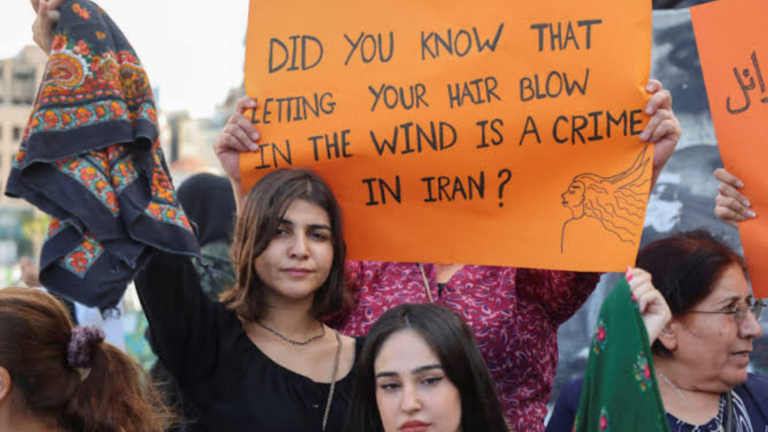
Among her inspirations were Mahsa Amini, whose death in custody sparked nationwide protests, and Nika Shakarami, who was killed during demonstrations against Iran’s strict dress code laws for women.
“She kept them alive in her thoughts and always wanted to continue their path,” Samira said.
The Iranian government has maintained that many demonstrations were influenced by foreign actors. In comments attributed to Iranian officials, authorities argued that peaceful protests had been infiltrated by outside interests seeking to create instability and violence.
Despite the risks, several Iranians have continued to speak publicly about their experiences, expressing frustration over the suppression of demonstrations and the lack of accountability following the deadly unrest.
For Samira, the loss of her daughter has become a lifelong mission.
What began as a mother’s search for answers has evolved into a relentless campaign for justice, ensuring that, in her words, her daughter’s story is not forgotten.

+ There are no comments
Add yours