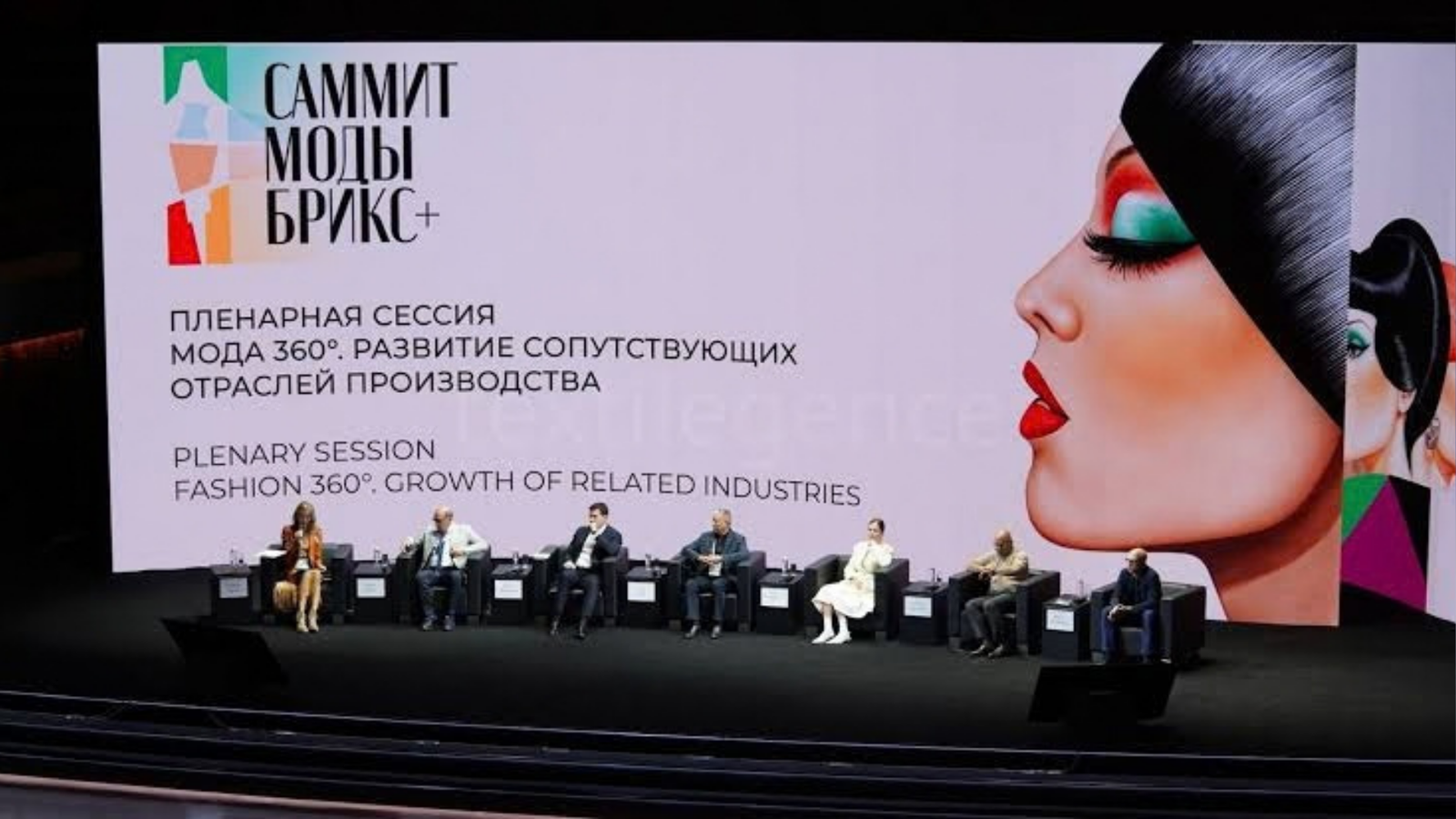
The true success of a fashion week should be measured not by what happens on the runway, but by the opportunities created after the final show, industry leaders said at the BRICS+ Fashion Summit in Moscow.
Speaking during a panel discussion titled “Fashion Week as a Modern Economic Platform” at the Zaryadye Concert Hall, fashion executives and organizers argued that modern fashion weeks must evolve beyond showcasing collections and become long-term business platforms that generate investment, partnerships, and international market access.
The session brought together representatives from Jordan, Morocco, South Sudan, Malaysia, Paraguay, South Africa, and Türkiye, who discussed how fashion events can create lasting connections between designers, manufacturers, buyers, investors, educational institutions, and global markets.
According to Gabriela Tome, Strategic Director of Partnerships and Sponsorship at Asuncion Fashion Week, the value of a fashion event lies in the relationships and opportunities it continues to generate long after the audience has left.
“A fashion week becomes a permanent platform when the work continues after the audience leaves,” Tome said.
She explained that successful fashion weeks begin well before the runway presentations, with designers preparing collections and business strategies, and continue afterward through networking, introductions, meetings, and commercial follow-up activities.
Tome emphasized that a year-round impact does not necessarily require year-round events.
“Permanent does not mean producing events all year. It means that the relationships and opportunities created by the event continue all year,” she said.
She noted that Asuncion Fashion Week has staged more than 40 editions over the past two decades, helping elevate local designers while strengthening industry relationships and international visibility.
Jay Ishak, Founder and Chief Executive Officer of the International Fashion Chamber Malaysia, echoed the view that commercial opportunities must be deliberately built into fashion events rather than left to chance.
“The runway creates attention. The connections around it create the economic value,” Ishak said.
He outlined a model used at the Malaysia International Halal Showcase, which combines industry forums, runway presentations, and exhibition spaces where designers can meet potential buyers and business partners.
According to Ishak, each component serves a distinct purpose: forums encourage industry dialogue and knowledge sharing, runway shows generate interest and visibility, while exhibition pavilions provide a practical setting for commercial discussions and business deals.
Participants at the summit agreed that fashion weeks are increasingly being viewed as economic development platforms capable of supporting creative industries, promoting trade, and connecting local talent to international opportunities.
As the global fashion industry becomes more interconnected, organizers said the future success of fashion weeks will depend not only on attracting audiences and media attention but also on creating sustainable networks that support designers and businesses throughout the year.





+ There are no comments
Add yours