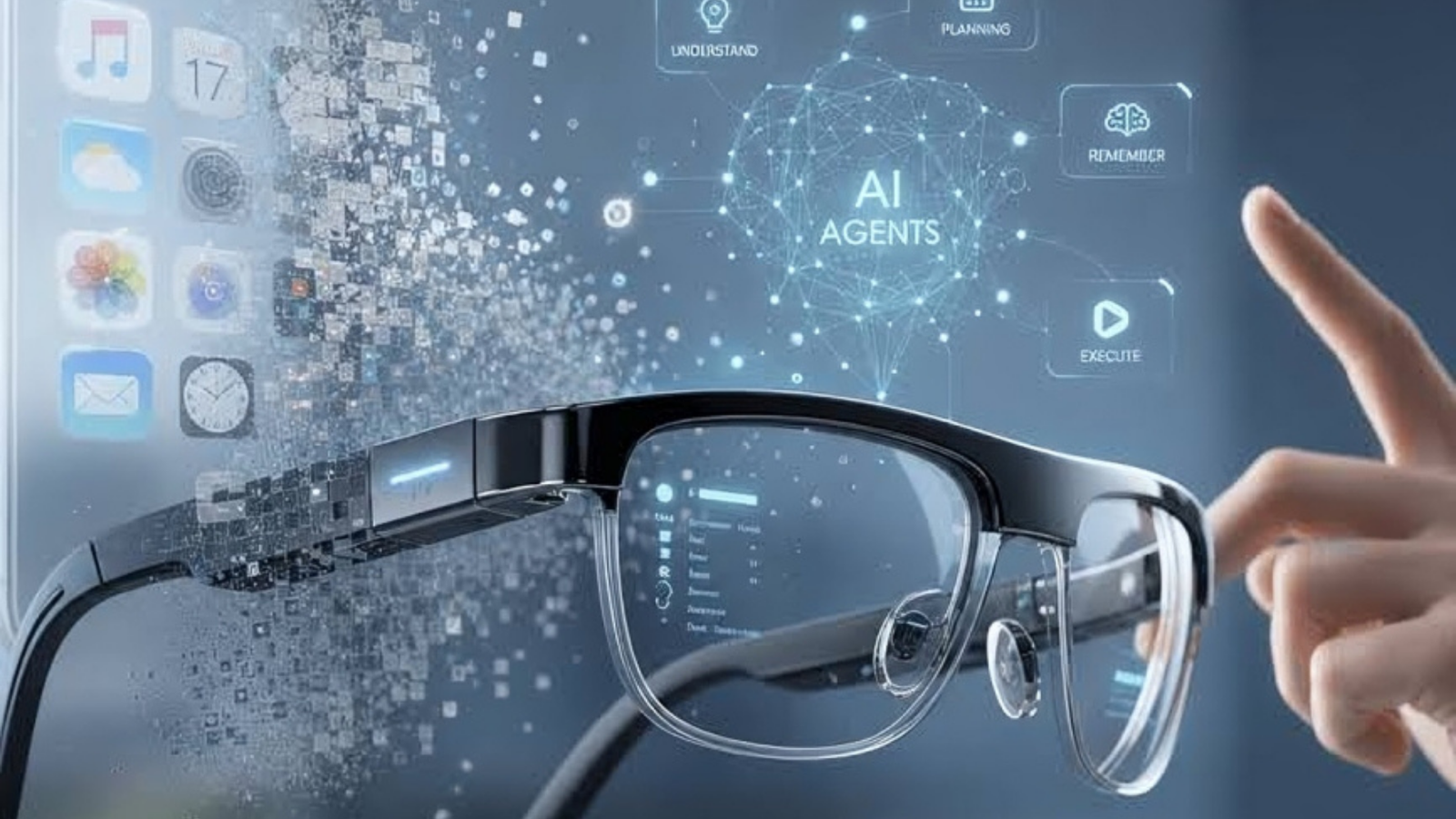
Tech giants are racing toward a future where screens shrink, wearables take over and our interactions with computers become more seamless or more intrusive, depending on whom you ask. From smart glasses to AI pendants, companies are building a new ecosystem of devices designed to pull us away from our phones and into a world of ambient, always‑on computing.
Whether that vision feels liberating or unsettling, one question looms large: will anyone actually embrace it?
That debate intensified last week when Snap unveiled Specs, its newest pair of AI‑powered smart glasses. The price alone turned heads £1,995 in the UK and $2,195 in the US but so did the glasses themselves.
A TV appearance featuring CEO Evan Spiegel sparked online chatter after viewers noticed the frames appeared to pinch his ears. Spiegel later joked that his ears “just look like that,” but the moment highlighted a broader concern: Specs are noticeably bulkier and heavier than most competitors.
Snap insists they’re comfortable enough for hours of wear, and the company claims Specs offer something unprecedented the ability to operate independently, without needing to be paired to a smartphone. That’s a significant leap in a category where most devices still rely heavily on mobile tethering.
“For decades, computers have asked us to look down, sit still or step out of the moment,” Spiegel said in a press release. “Specs are the beginning of a new era in computing.”
If he’s right, the shift could redefine how we live, work and communicate. But if he’s wrong, Specs may join a long list of futuristic gadgets that never found a willing audience.














+ There are no comments
Add yours