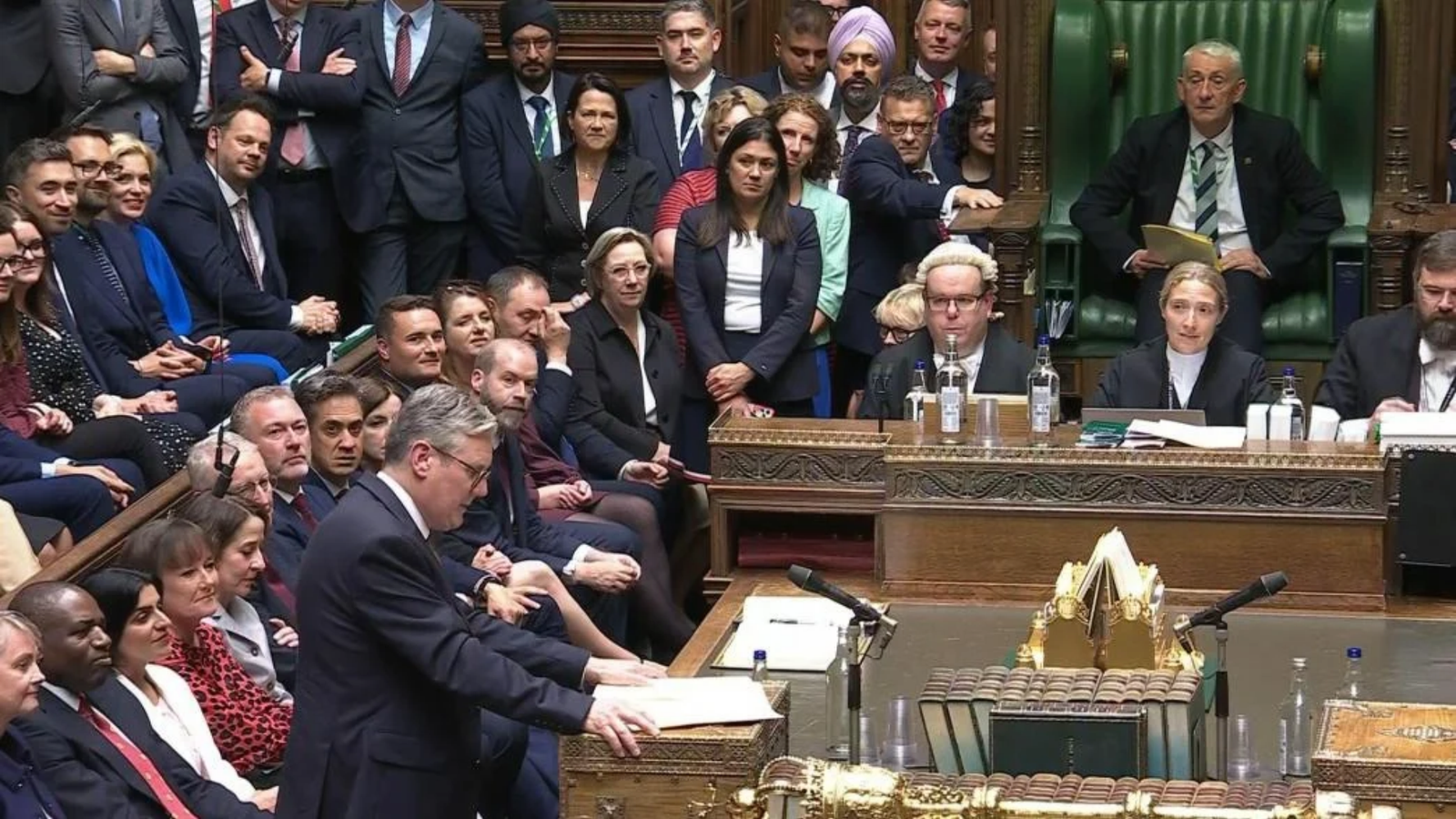
Labor’s commanding parliamentary majority has long stood as the defining image of the 2025 federal election landslide that decimated the Coalition and reshaped Australia’s political landscape.
From the press gallery overlooking the House of Representatives, the scale of Labor’s dominance is impossible to miss. The government’s 94-seat majority stretches across the green benches, extending well beyond the centre line of the chamber and occupying territory traditionally reserved for the opposition.
The sheer number of Labor MPs has become a powerful visual symbol of political strength. Row after row of government members reflects the electoral mandate delivered by voters, giving Prime Minister Anthony Albanese’s government one of the strongest positions seen in recent parliamentary history.
Yet for the first time since the current parliament began, signs have emerged that Labor’s vast caucus may also bring challenges of its own.
At the midway point of the parliamentary term, the government benches this week appeared less like a display of unity and more like a political force grappling with the pressures that often accompany large majorities.
With dozens of MPs representing diverse electorates, priorities and viewpoints, managing expectations inside such a sprawling backbench is becoming an increasingly delicate task.
Political observers note that overwhelming parliamentary numbers can create opportunities for internal debate and dissent, particularly when individual members feel emboldened by the security of a substantial majority.
The risk for governments enjoying landslide victories is that frustration and competing ambitions can gradually build beneath the surface.
The image has been compared to a forest where years of accumulated fuel increase the risk of ignition. While Labor’s parliamentary dominance remains intact, the week’s developments highlighted the reality that political strength can also carry the seeds of internal pressure.
As the Albanese government moves deeper into its term, attention is likely to focus not only on how it confronts the opposition, but also on how effectively it manages the expectations and ambitions within its own ranks.








+ There are no comments
Add yours