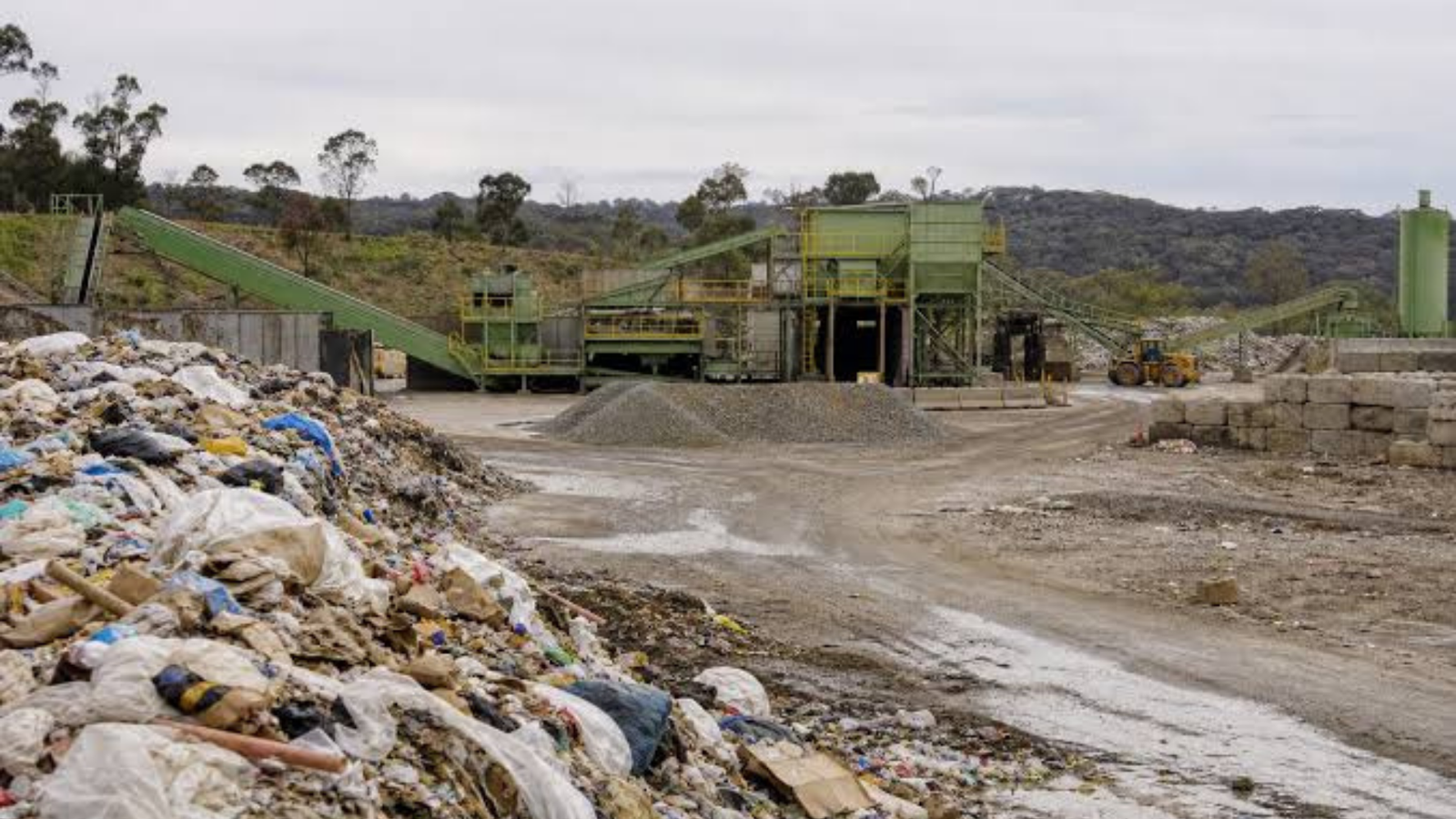
A major dispute is emerging between the New South Wales government and the developers of a proposed $1 billion waste processing facility near Mudgee, with both sides disagreeing over how the project should be classified under state environmental regulations.
Cenagen is seeking approval to build the facility at the former Kandos Cement Works, a historic industrial site that once supplied cement for the construction of the Sydney Harbour Bridge. If approved, the plant would process up to 450,000 tonnes of waste annually that would otherwise be sent to landfill.
The proposal centres on the use of gasification technology, which involves heating waste to temperatures of around 1,000 degrees Celsius in a low-oxygen environment. According to the company, the process produces a synthesis gas containing hydrogen, carbon monoxide, and carbon dioxide within a sealed system.
Cenagen says the gas would then be converted into approximately 91,000 tonnes of methanol each year, providing a lower-emission alternative to conventional fossil-based fuels used in transportation. The company has described the project as a potentially world-first initiative.
However, the proposal has encountered opposition from the NSW government. Environment Minister Penny Sharpe has argued that the facility falls within the state’s energy-from-waste framework, which restricts thermal waste treatment projects with energy recovery to four designated precincts: Parkes, West Lithgow, Tarago, and Tomago.
Because Kandos is not located within one of those approved precincts, the minister has indicated the project would not be permitted under current policy settings.
Cenagen disputes that interpretation. Chief Executive Jason O’Sullivan has argued that the facility is not an energy-from-waste project and should not be regulated under that framework. The company maintains that its technology is focused on manufacturing methanol from waste-derived gases rather than generating electricity or energy in the conventional sense.
The disagreement is expected to become a key issue as the proposal moves through the planning and regulatory process. Supporters of the project argue it could reduce landfill volumes, create jobs, and support alternative fuel production, while critics are likely to scrutinise its environmental impacts and regulatory classification.
The outcome could have broader implications for how emerging waste-processing technologies are assessed and regulated in New South Wales as governments and industry search for alternatives to landfill disposal.








+ There are no comments
Add yours