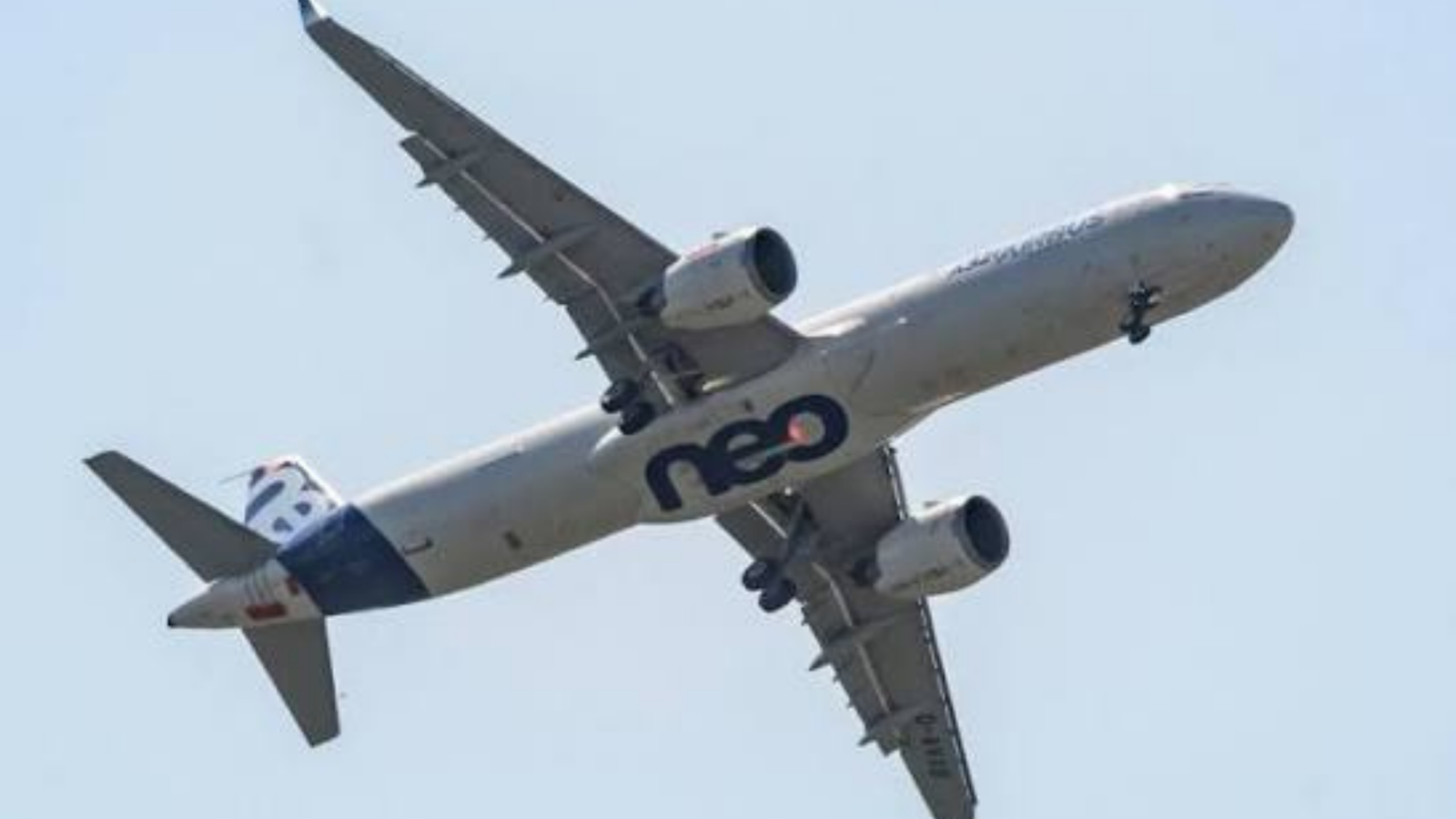
Airbus has confirmed it has identified and contained a manufacturing quality issue affecting the fuselage structure of its popular A321neo aircraft, while stressing that the problem does not pose a safety risk and that affected jets can continue operating normally.
According to industry sources, the issue impacts approximately 500 aircraft, including around 250 already in service and another 250 currently in production. The A321neo is Airbus’s largest and most in-demand single-aisle aircraft, capable of carrying up to 244 passengers and flying routes of up to 4,000 nautical miles.
The latest issue involves what Airbus described as a “deviation” in the protective coating applied to structural components known as stringers, which run along the length of an aircraft’s fuselage and help provide strength and stability.
Airbus said the defect was discovered during ongoing production work while components were already undergoing rework on assembly lines. The company emphasized that it has identified the source of the problem, implemented containment measures, and developed a corrective solution.
The development marks the second major production-related challenge involving the A321neo’s fuselage in less than a year. In late 2025, Airbus also reported manufacturing defects affecting fuselage panels, a problem that contributed to delivery delays despite the company maintaining there were no safety implications.
The latest setback comes as Airbus seeks to increase production of its narrow-body aircraft family from around 60 jets per month to 75 aircraft per month in response to strong global demand from airlines.
Industry sources said Airbus first detected the issue during the northern hemisphere summer, with detailed analysis completed more recently. Despite the discovery, airlines have continued taking delivery of A321neo aircraft, and customers have reportedly not required additional repairs before accepting new jets.
Sources also indicated that Airbus has informed operators there is currently no immediate need to carry out repairs on aircraft already in service. However, European aviation regulators could still issue directives requiring inspections or corrective work within a specified timeframe.
Delta Air Lines, one of the carriers operating the A321neo, said it remains in regular contact with aircraft manufacturers and will continue following recommendations provided by Airbus and aviation regulators.
The A321neo remains one of the aviation industry’s most successful aircraft models, playing a key role in Airbus’s commercial aircraft business. While the quality issue presents another manufacturing challenge, Airbus maintains that the matter is under control and has no immediate impact on flight safety.










+ There are no comments
Add yours