The human brain is constantly adapting and reshaping itself through learning, problem-solving, and experience. Scientists describe this ability as brain plasticity the process by which the brain forms and strengthens connections between neurons in response to mental activity.
According to neuroscientists, learning is not simply about storing information. It physically changes the brain. As people acquire new knowledge and skills, nerve cells develop stronger networks and pathways that support memory, reasoning, and critical thinking. Researchers note that much of the brain’s growth from childhood to adulthood occurs through these structural changes rather than the creation of new neurons.
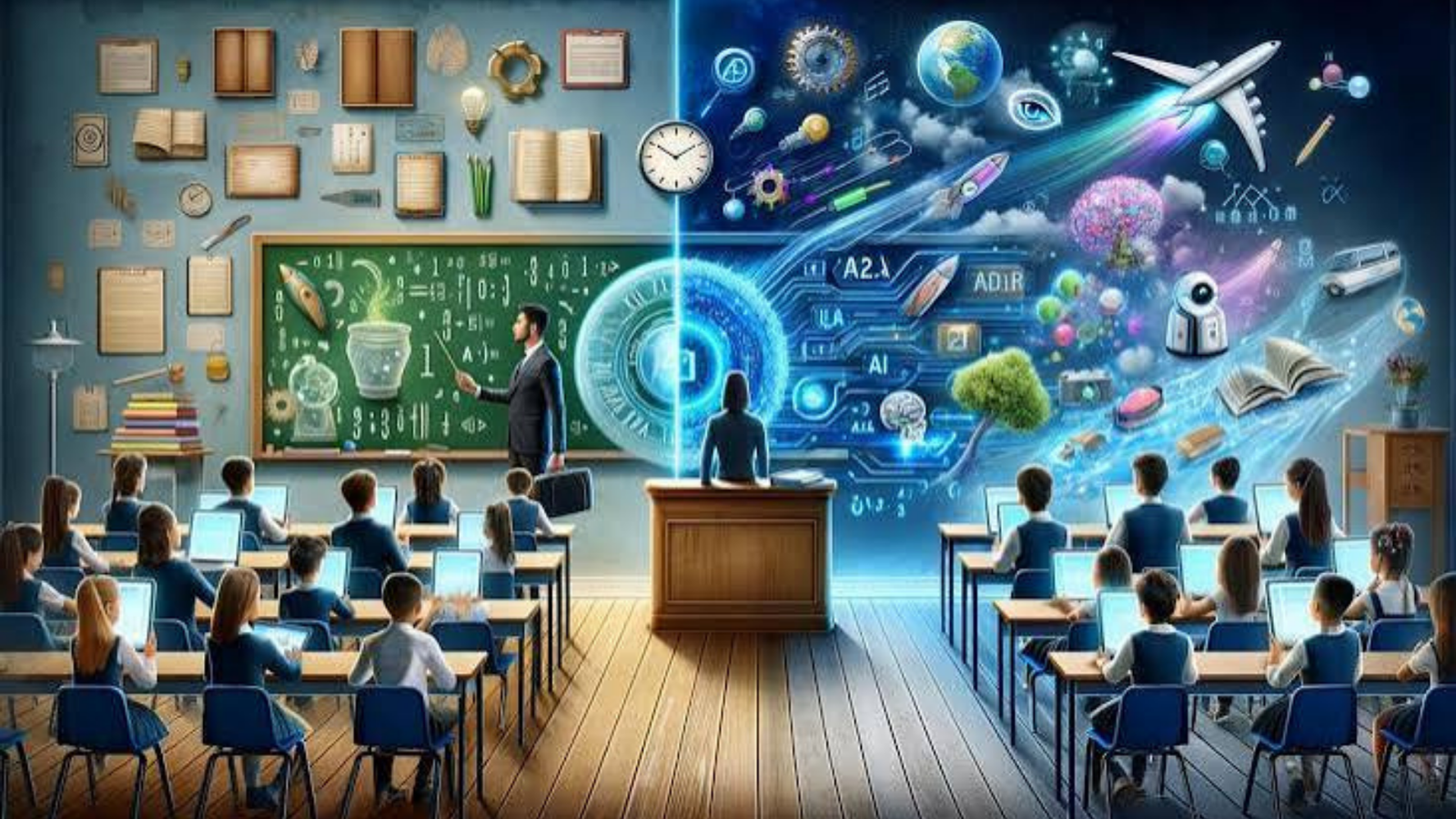
As artificial intelligence (AI) becomes increasingly common in schools, universities, and workplaces, experts are debating how it may affect learning and cognitive development, particularly among younger generations.
Many researchers acknowledge that AI can be a valuable educational tool when used appropriately. It can help students access information quickly, generate ideas, provide explanations, and even encourage discussion and analysis. Supporters argue that AI can enhance productivity and support learning when combined with active engagement and critical thinking.
However, some experts warn that excessive reliance on AI may reduce opportunities for students to perform the mental work that helps build deeper understanding and long-term cognitive skills.
Recent research involving more than 26,000 students examined the effects of generative AI on homework performance and learning outcomes. The study found that AI use increased homework scores and reduced the time required to complete assignments. However, it also reported a decline in examination performance over time, suggesting that improvements in short-term productivity may not always translate into stronger learning outcomes.
Neuroscientists say that activities such as reading, analysing information, solving problems, writing, and evaluating evidence help develop what is known as cognitive reserve. Cognitive reserve refers to the brain’s ability to cope with aging, injury, illness, and neurological conditions. Strong cognitive reserve is built gradually through education, lifelong learning, and mentally challenging activities.
Researchers are concerned that if students rely too heavily on AI-generated answers, they may miss the valuable learning process that comes from struggling with complex tasks, evaluating information independently, and developing their own conclusions.
Experts stress that the challenge is not AI itself, but how it is used. When technology supports learning without replacing critical thinking, it can become a powerful educational resource. When it replaces intellectual effort entirely, there are concerns that it could limit opportunities for developing problem-solving abilities and deeper understanding.
As AI tools continue to become part of everyday education, educators and researchers are increasingly focused on finding the right balance between technological assistance and the cognitive challenges that help build strong, resilient minds.










+ There are no comments
Add yours