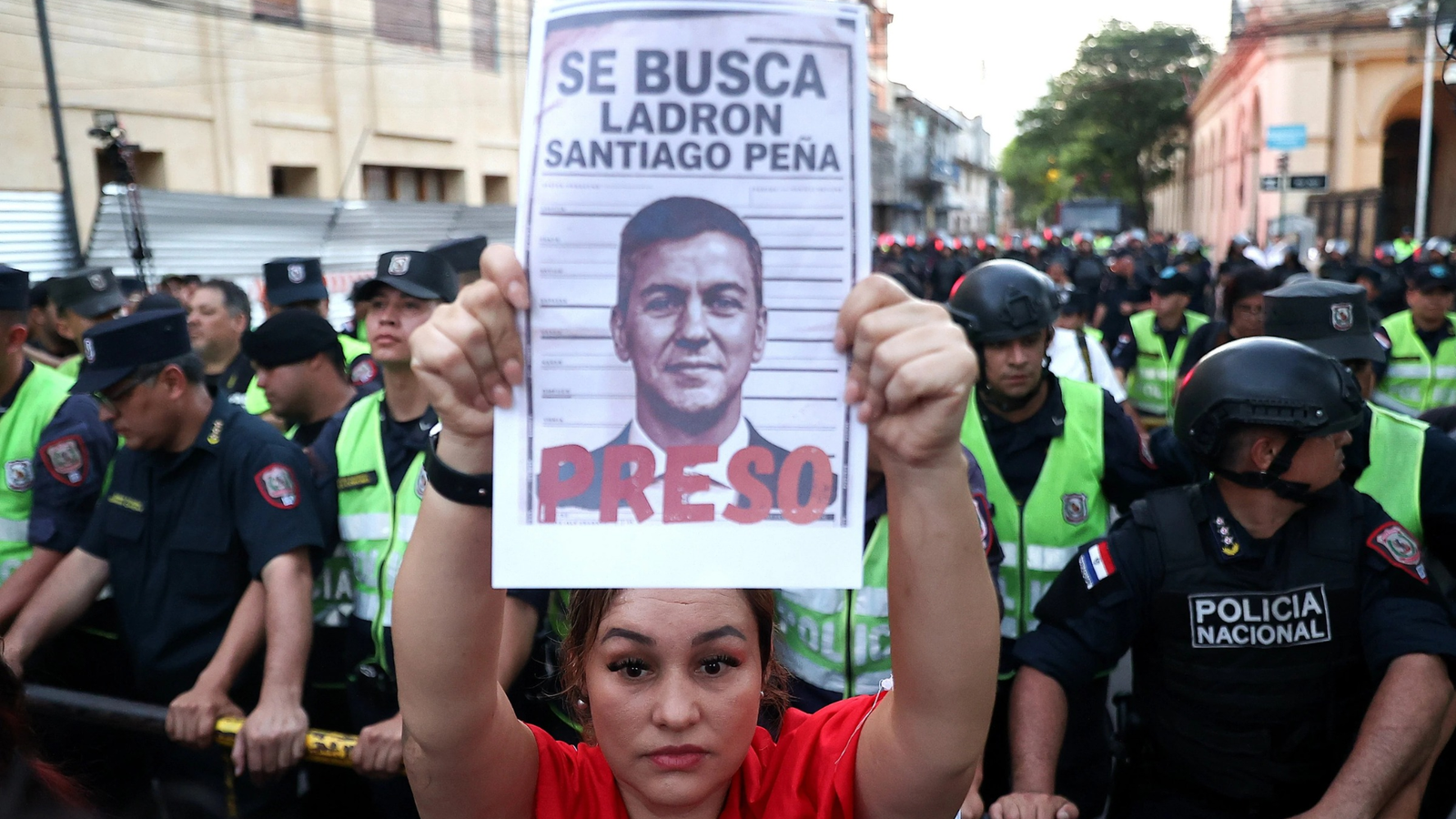
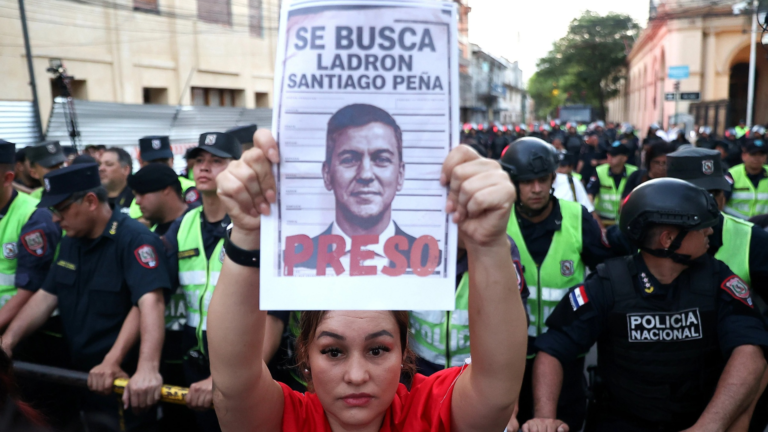
Paraguayan President Santiago Peña has been impeached and placed under house arrest following a banking crisis that reportedly left more than half of the country’s population unable to access their accounts, triggering one of the most significant political upheavals in the nation’s recent history.
The dramatic development unfolded after lawmakers, including members of Peña’s own political party, voted unanimously to remove him from office following the collapse of Ueno Bank, a financial institution reportedly linked to his former business interests.
Just one day earlier, Peña had offered to resign. However, rather than accepting his resignation, Paraguay’s Senate proceeded with impeachment proceedings and approved charges of misconduct, stripping him of the legal immunity usually granted to former presidents.
Peña, who previously held shares in the company that owned the bank until last year, has strongly denied any wrongdoing.
The impeachment charges accuse the former president of conflicts of interest, manipulating regulatory oversight, diverting pension funds, and participating in an alleged institutional cover-up involving the country’s central banking system.
Prosecutors have also launched a criminal investigation into allegations of breach of trust, influence peddling, and misappropriation of public funds. Silvia Margarita Gonzalez Vester, the prosecutor overseeing the case, said Peña is scheduled to be questioned as part of the ongoing investigation.
The banking collapse has caused widespread disruption across Paraguay, with millions of citizens reportedly affected by restrictions on access to deposits and financial services.
Following Peña’s removal, Vice President Pedro Alliana was sworn in as Paraguay’s interim president and immediately sought to reassure the public.
“Compatriots who are now going through a difficult time as a result of the financial collapse will be fully compensated,” Alliana said.
The new interim president has pledged that the government will work to protect affected account holders and restore confidence in the country’s financial system. He is expected to remain in office until 2028.
The crisis has sent shockwaves through Paraguay’s political and financial sectors, with analysts predicting increased scrutiny of banking regulations, government oversight mechanisms, and links between political leaders and private financial institutions.



+ There are no comments
Add yours