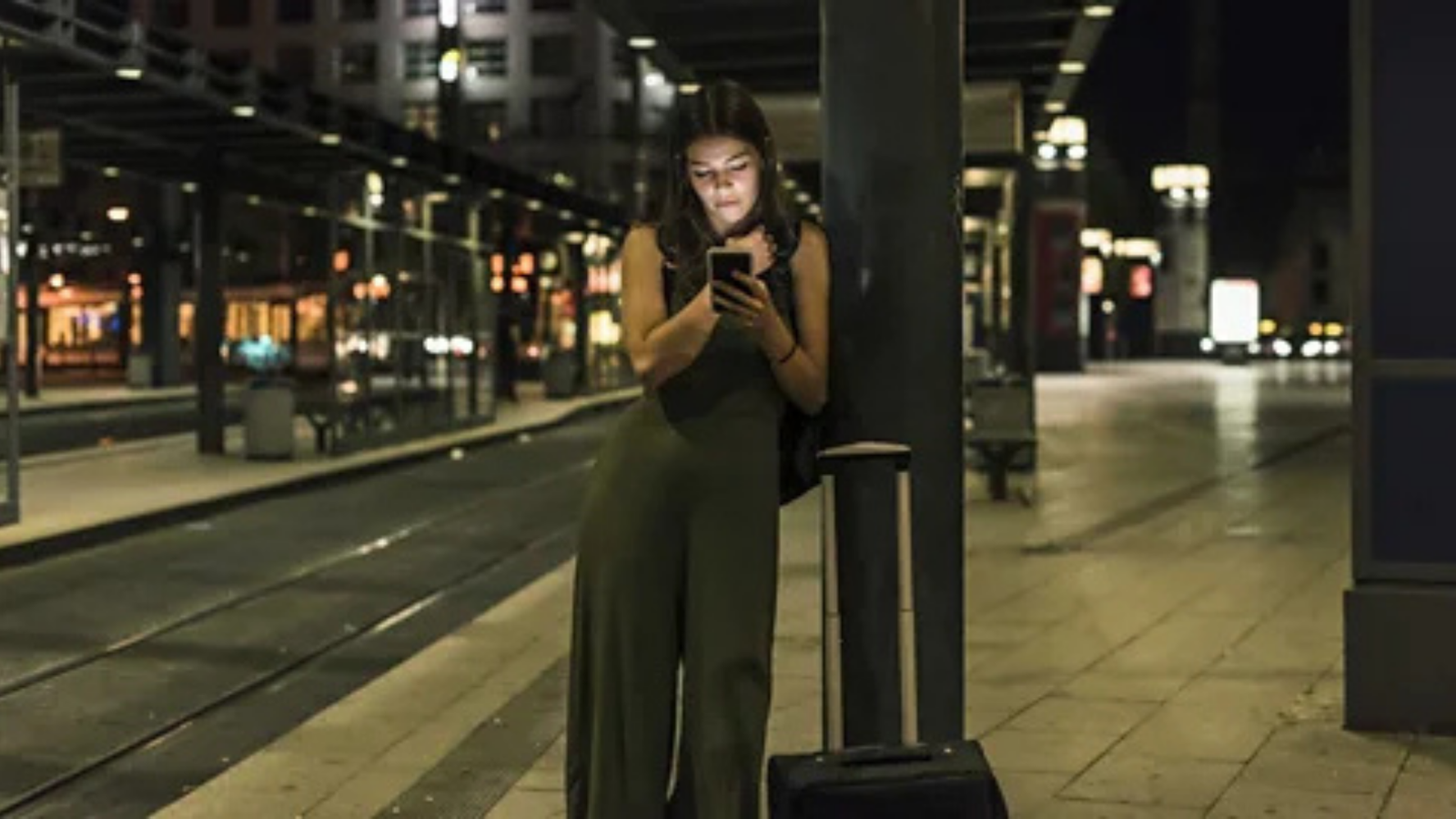
Women aren’t paying more for the same plane ticket or hotel room but many are paying more to feel safe. What looks, at first glance, like the familiar “pink tax” is actually something far more subtle and deeply rooted in lived experience.
Safety concerns often push women toward different, more expensive choices, creating what experts now call an avoidance tax.
Stephanie Boyle, campaign director of the Safer Tourism Foundation’s She Travels Safe initiative, says women frequently adjust their behaviour long before any danger appears. “Women aren’t travelling less because they’re less adventurous than men,” she explains. “They face a different risk environment.”
That risk environment shapes decisions every day. Research from the foundation shows that 64% of women avoid walking back to their accommodation alone at night abroad, compared with 43% of men. More than half of women 56% steer clear of areas they perceive as unsafe, while only 37% of men do the same.
And nearly 48% of women avoid exploring their destination at night altogether. These choices come with a price. Women often opt for taxis instead of public transport, book accommodation in safer but more expensive neighbourhoods, or choose guided tours rather than independent exploration.
None of these costs appear on a receipt labelled “women’s surcharge,” yet they accumulate quietly shaping how women travel, how much they spend, and how freely they move through the world.
The avoidance tax isn’t about paying more for products. It’s about paying more for peace of mind.








+ There are no comments
Add yours