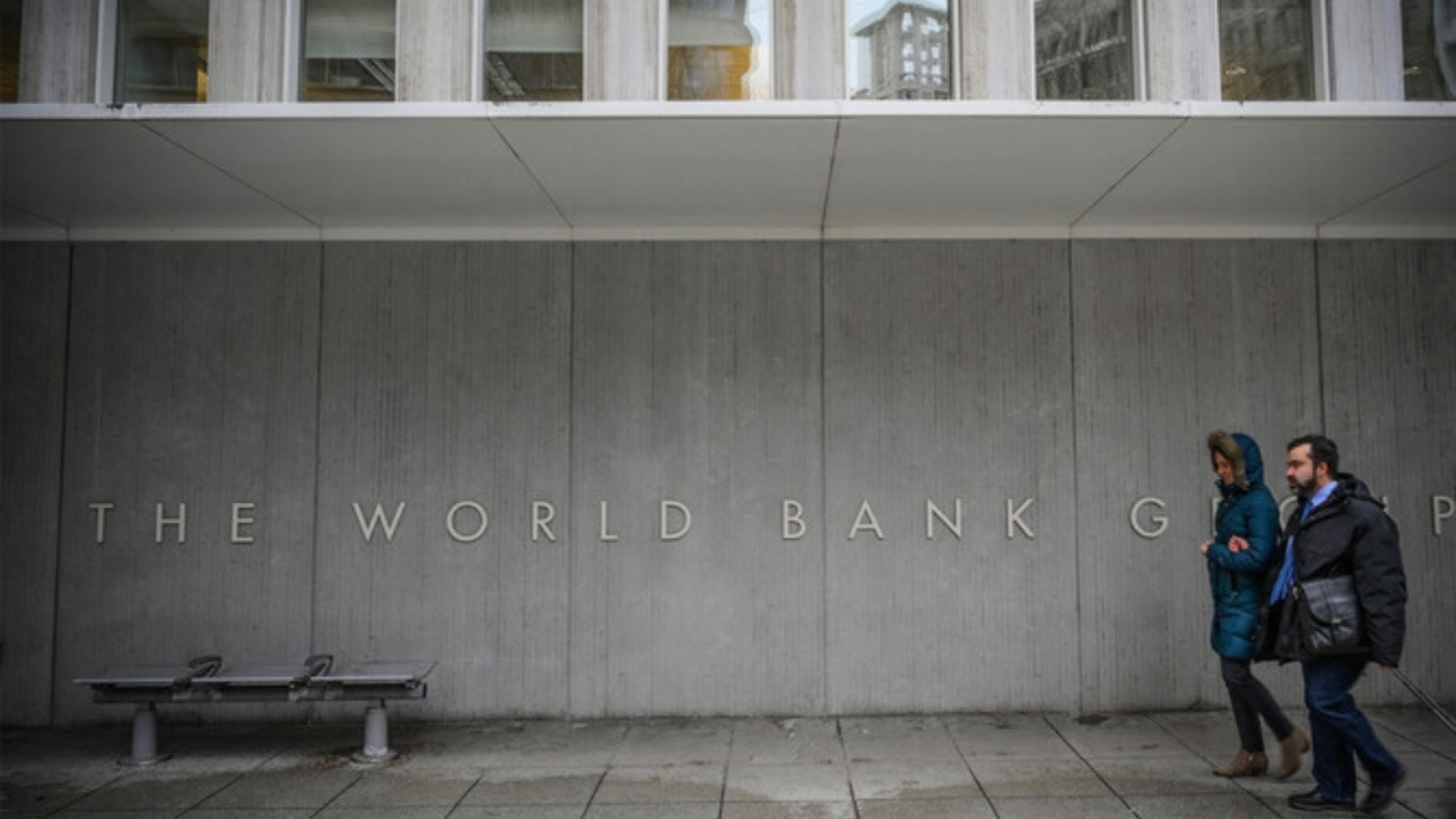
The World Bank has announced a major shift in its climate strategy, extending its climate change policy framework indefinitely while scrapping long‑standing targets that required a set percentage of its financing to deliver climate‑related impacts. The move marks a significant departure from the Bank’s previous approach, which had emphasised measurable climate “co‑benefits” across its lending portfolio.
“We will complete our shift from inputs to outcomes to maximize development impact,” the World Bank Group said in a statement, confirming it will retire both the 45‑percent climate co‑benefits target and the 35‑percent target set under its Climate Change Action Plan.
The policy change comes amid a dramatic shift in the United States’ stance on climate issues under President Donald Trump, whose administration has rejected the scientific consensus on human‑driven climate change and increased support for fossil fuels. In April, US Treasury Secretary Scott Bessent urged the Bank to abandon its climate finance targets, arguing they “breed inefficiency” and distract from the institution’s core development mission.
The World Bank said future climate‑related work will be driven by demand from client countries rather than fixed internal quotas. Since 2016, the Bank has consistently met its annual climate financing goals, with 48 percent of its 2025 financing delivering climate co‑benefits roughly $50.8 billion, according to official data.
The Intergovernmental Panel on Climate Change (IPCC) maintains that climate change is unequivocally caused by human activity, particularly the burning of fossil fuels since the late 19th century. But Trump’s administration has pushed global institutions to scale back climate initiatives, while shelving renewable energy projects at home.
Despite retiring its targets, the World Bank says it will continue reporting net greenhouse gas emissions and tracking the share of projects with climate impacts. Much of its climate‑related work supports developing countries the least responsible for global warming through renewable energy loans, resilience projects and technical guidance on adapting to climate impacts.
The shift signals a new era for the Bank, one where climate action will be shaped less by internal benchmarks and more by political pressure, client demand and the evolving global landscape.
#WorldBank #ClimateChange #GlobalDevelopment #USPolitics #Environment










+ There are no comments
Add yours