
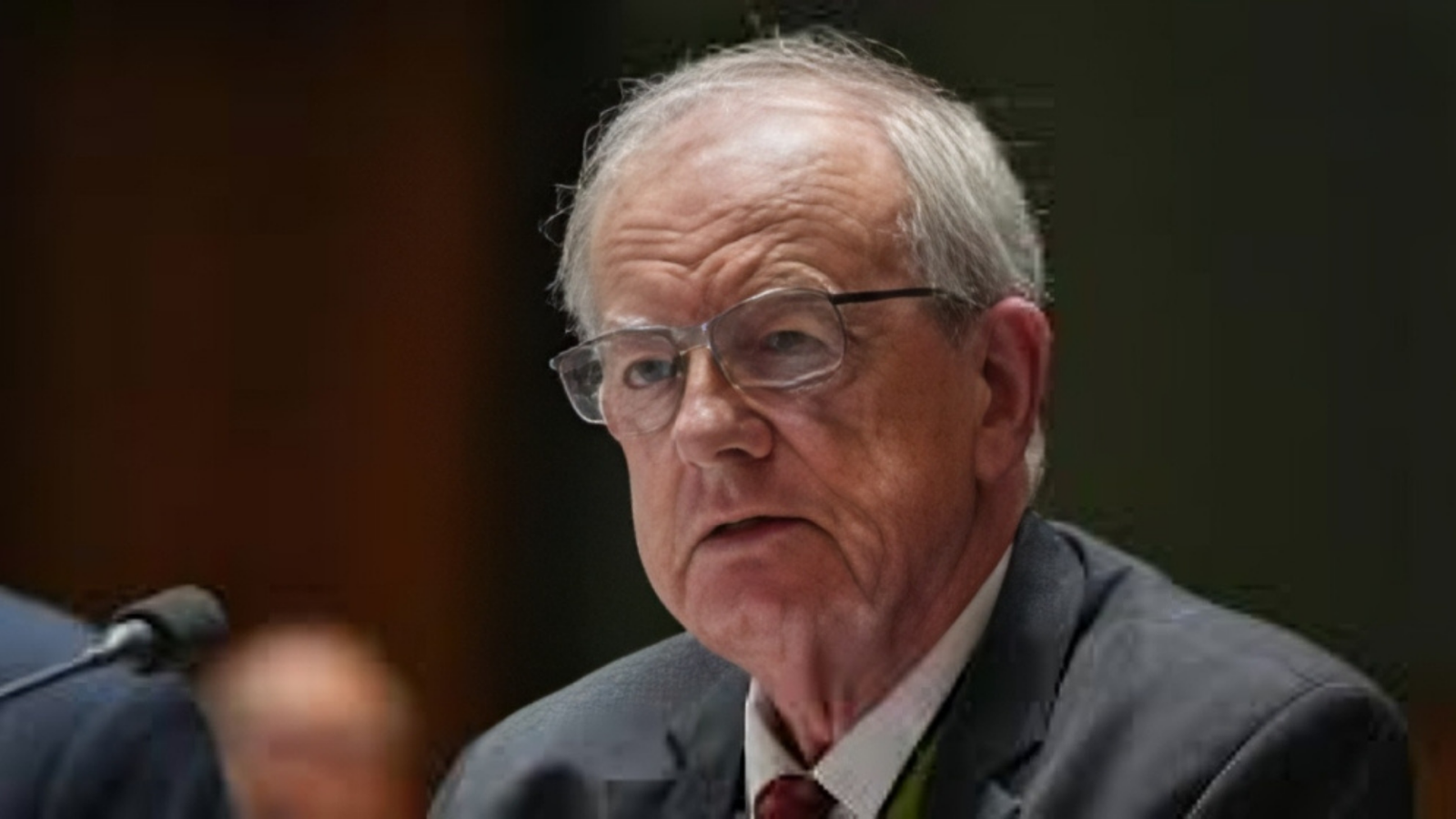
Australia’s outgoing National Anti‑Corruption Commissioner Paul Brereton has conceded he played a role in the controversy that ultimately forced his early resignation, telling a Senate inquiry he had become a distraction to the very watchdog he was appointed to lead. All information has been verified with a trusted, up‑to‑date source.
Brereton, who stepped down two years before the end of his term, has faced sustained scrutiny over his ongoing defence links and the way he managed potential conflicts of interest. He acknowledged on Tuesday that the focus on his conduct had “drawn attention away” from the National Anti‑Corruption Commission’s work.
During his time as commissioner, Brereton continued providing advice to government agencies connected to the Afghanistan war crimes inquiry, including consulting for the Inspector‑General of the Australian Defence Force on 11 occasions. He told the inquiry he had disclosed his affiliation with the IGADF amounting to “30 hours in three years” but did not believe he needed to reveal the “precise nature” of the work.
That explanation drew sharp criticism from Greens senator David Shoebridge, who argued the lack of transparency went to the heart of the problem. “The issue was not recognising the need to be transparent,” he said, noting that Brereton was performing work for the defence establishment while leading an agency that may be required to investigate it.
Brereton’s resignation has triggered a broader debate about integrity, disclosure and the expectations placed on those charged with overseeing Australia’s anti‑corruption framework. As the inquiry continues, questions remain about how the watchdog will rebuild public confidence after the departure of its inaugural commissioner.









+ There are no comments
Add yours