
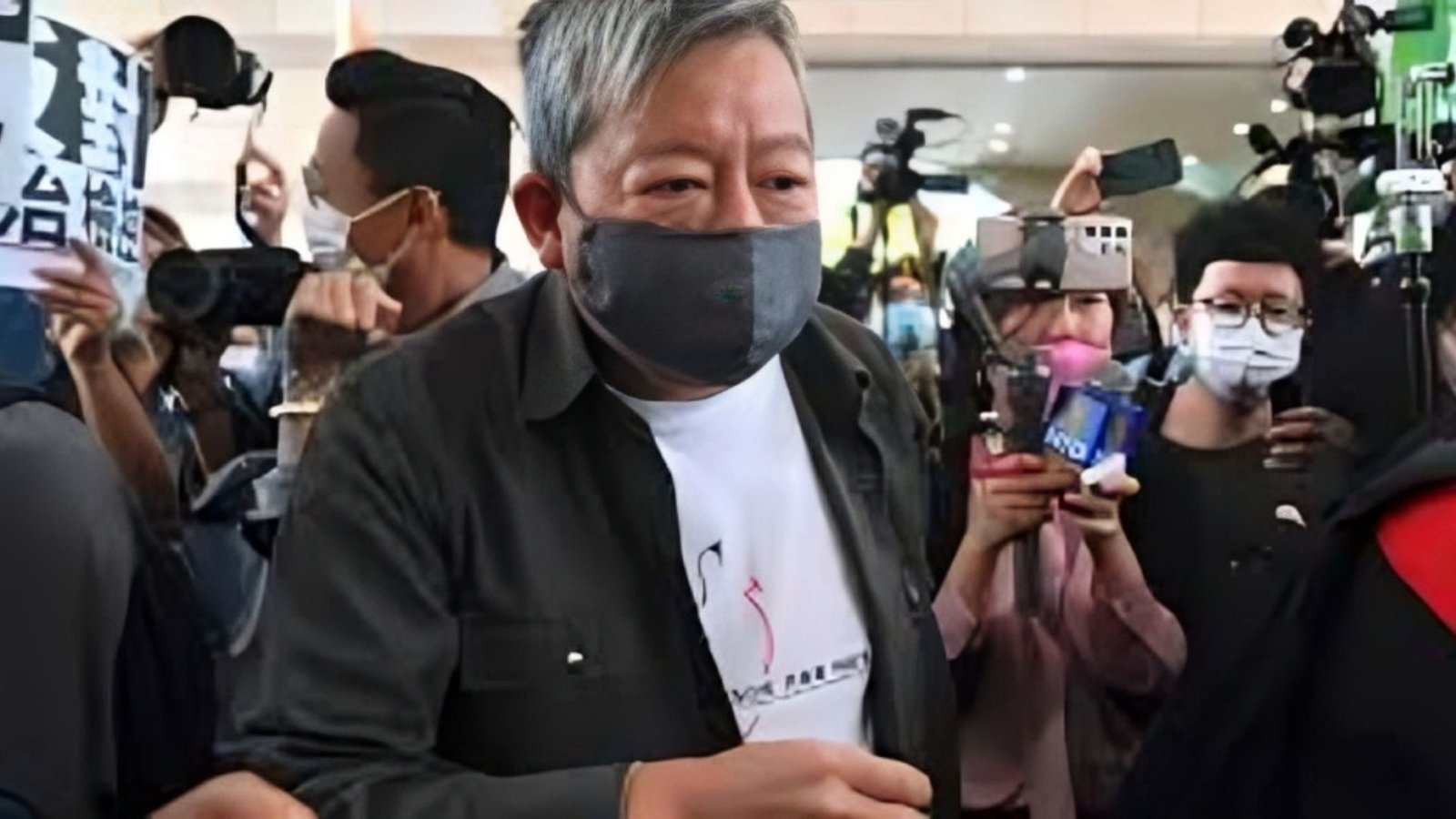
A Hong Kong court began hearing final arguments on Monday in the high‑profile national security case against two former organisers of the city’s once‑iconic Tiananmen Square candlelight vigils a case widely seen as a measure of how far Hong Kong’s civil liberties have eroded under Beijing’s tightening grip.
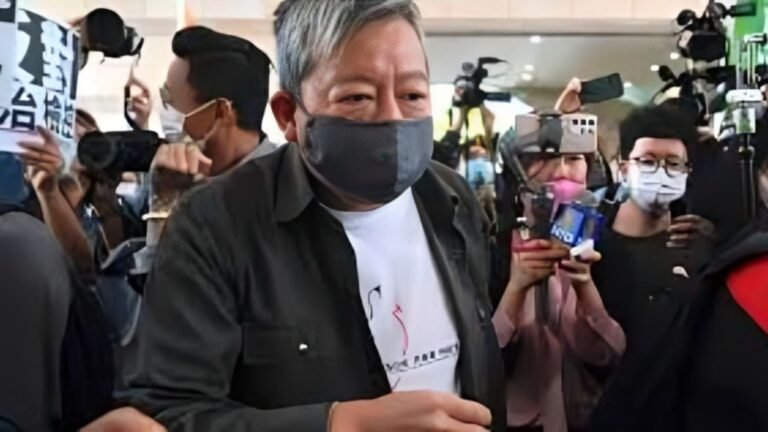
For decades, Hong Kong was the only place on Chinese soil where large‑scale public commemorations of the 1989 Tiananmen Square crackdown were permitted. That changed in 2020, when authorities banned the annual vigil and later charged two organisers Chow Hang‑tung and Lee Cheuk‑yan with inciting subversion under the Beijing‑imposed national security law. Both have pleaded not guilty and face up to 10 years in prison if convicted.
Prosecutors argued that one of the alliance’s long‑standing demands “ending one‑party rule” amounted to encouraging others to overthrow China’s Communist Party leadership. They insisted the case was not about free speech, with prosecutor Ned Lai telling the court that freedoms of expression, assembly and association “are not trump cards” that override national security laws.
Defence lawyers countered that prosecutors had failed to show what, exactly, the alliance had asked Hong Kong residents to do. Lee’s lawyer, Erik Shum, said the prosecution still lacked concrete evidence even as the trial neared its end. Lee himself has previously argued that “ending one‑party rule” refers to democratic reform, not overthrowing the Communist Party.
Chow, a barrister representing herself, said her writings aimed to deepen Hong Kongers’ understanding of mainland China and its democratic aspirations not to incite hatred or action.
Their co‑defendant, Albert Ho, pleaded guilty earlier this year, a move that may reduce his sentence.
The trial, originally expected to run 75 days, is now likely to conclude earlier, though judges have not indicated when a verdict will be delivered.
Rights groups have condemned the prosecution. Amnesty International said the case relies on “vague, overly broad and arbitrary definitions of ‘subversion’,” urging authorities to drop the charges.
Until 2020, tens of thousands gathered annually in Hong Kong to honour the victims of the Tiananmen crackdown. Since the ban, the vigil site has instead hosted pro‑Beijing carnivals, and several people attempting to commemorate June 4 in recent years have been detained.







+ There are no comments
Add yours