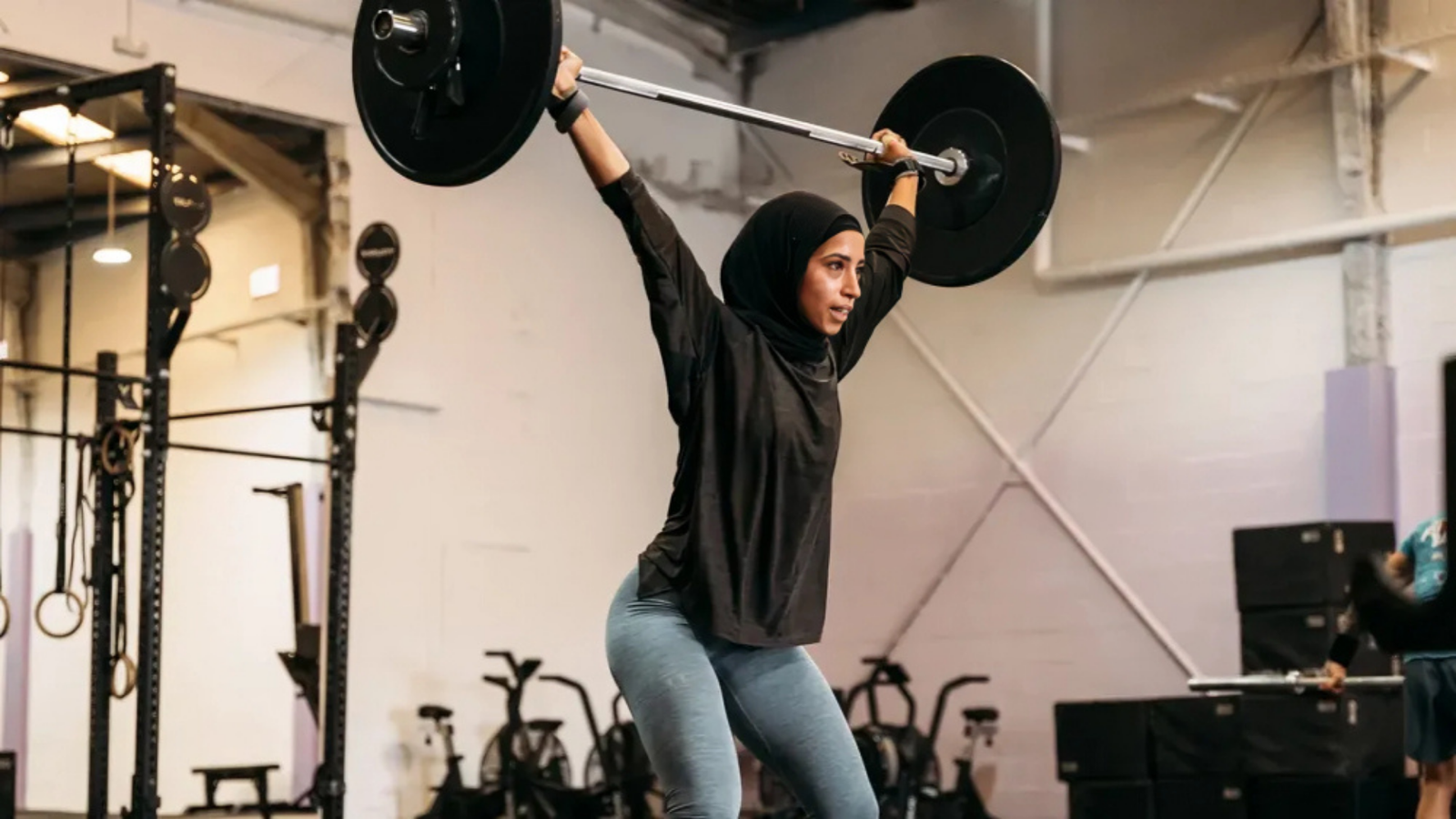
If you saw me carrying groceries into the house recently, you might have wondered what on earth I was doing. With a two‑litre bottle of water in each hand, I paused in the hallway and started doing squats. It wasn’t a moment of madness just part of my mission to weave more strength training into everyday life.
Like many people, my friends and I tend to obsess over cardio. We count steps, track runs, cycle on weekends and occasionally sign up for a half‑marathon. Aerobic exercise keeps us healthy and helps us live longer but experts say strength training is what helps us live better as we age.
“Strength is the neglected sibling at the health dinner table,” says Stuart Phillips, a leading muscle‑physiology researcher at McMaster University in Canada. And he’s right. While we’re busy chasing kilometres, we often forget the kind of exercise that protects our bones, boosts mobility, and keeps us independent later in life.
That’s why I’ve been digging into the science behind resistance training and how to make it part of daily routines without needing a gym membership or fancy equipment.
According to Jess Gorzelitz, an epidemiologist at the University of Iowa, the biggest health gains come right at the beginning.
“The riskiest group are those who do nothing… That’s a big message for people who are new to this,” she says. In other words, you don’t need to lift heavy or train like an athlete. Just starting even with water bottles in your hallway can deliver meaningful benefits.
Strength training doesn’t just build muscle. It improves balance, reduces injury risk, supports metabolic health and helps maintain independence as we get older. And the best part? Small, consistent efforts add up fast.
So whether it’s squats with shopping bags, push‑ups against the kitchen counter or a few resistance‑band pulls while watching TV, the path to getting stronger is far more accessible than most people think.













+ There are no comments
Add yours