
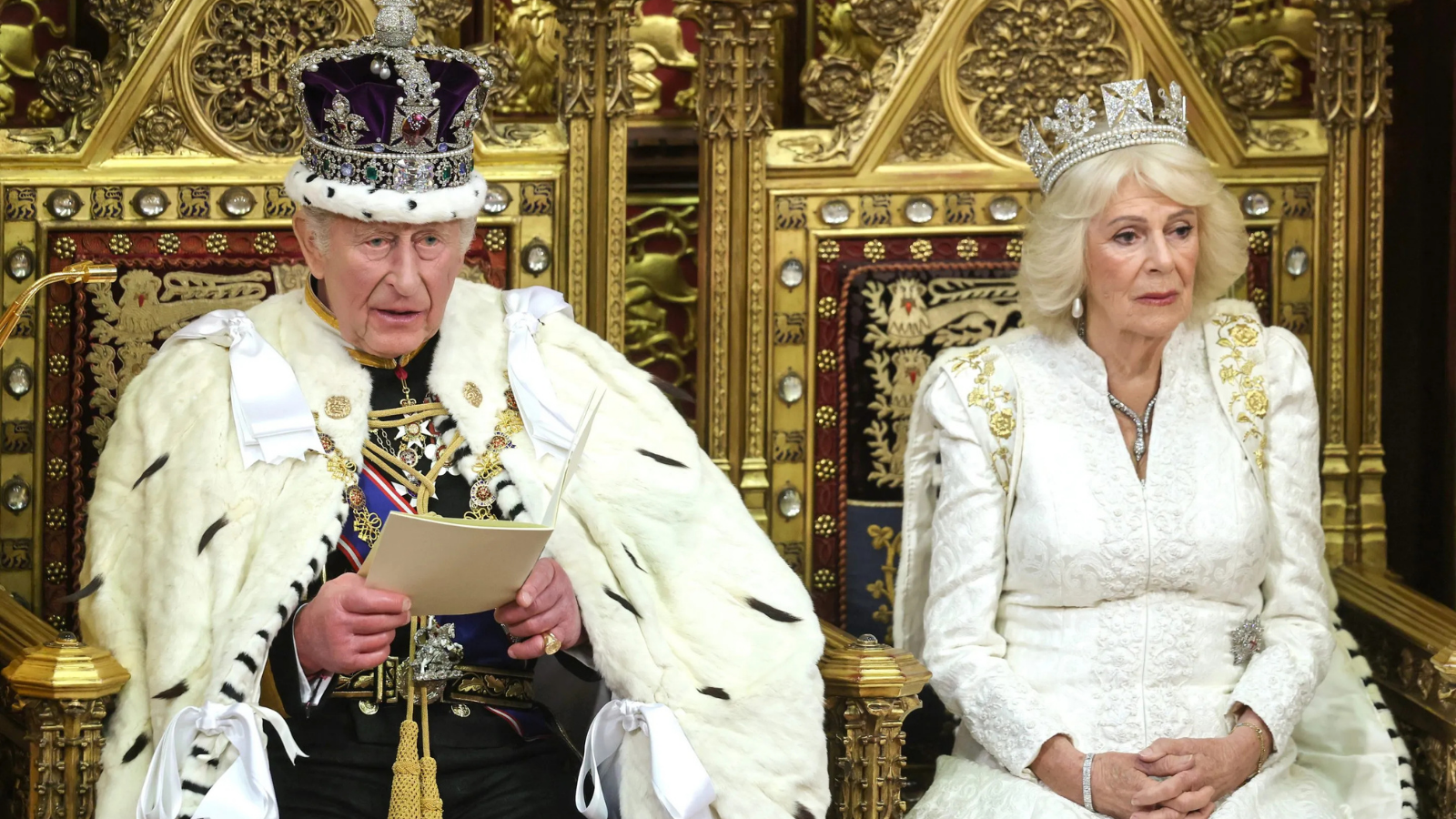
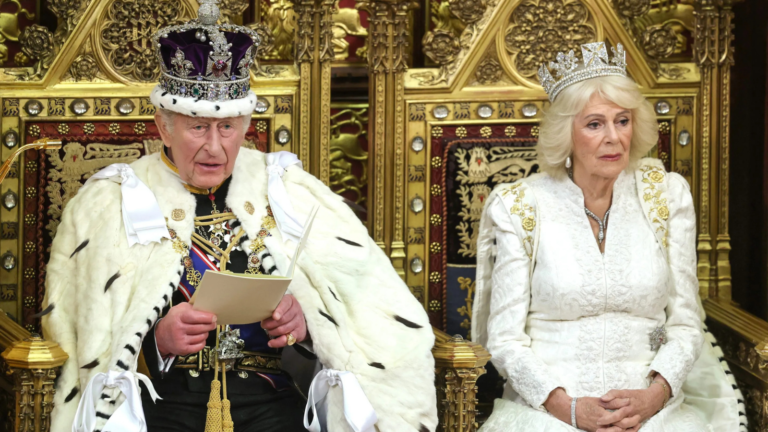
The contrast could not have been sharper. As King Charles III delivered the government’s legislative agenda in a display of centuries‑old ceremony, Prime Minister Keir Starmer was fighting to keep his grip on power amid a growing revolt inside his own Labour Party.
The state opening of Parliament usually dominated by royal spectacle was eclipsed by political turmoil, with speculation swirling that Health Secretary Wes Streeting was preparing to resign and launch a leadership challenge as early as Thursday. More than a fifth of Labour MPs have publicly urged Starmer to set a timetable for his departure, and several junior ministers have already quit in protest. No challenger has formally stepped forward, but the pressure is unmistakable.
Opposition leader Kemi Badenoch seized on the chaos, calling it “preposterous” that the government was outlining its agenda while its own ministers were walking out and its MPs were demanding the prime minister’s exit.
Starmer’s leadership has been shaken by Labour’s disastrous performance in last week’s local and regional elections. If replicated in a general election due by 2029 Labour would face a crushing defeat. The party lost ground on all sides: to Reform UK on the right, to the Greens on the left, and to nationalist parties in Scotland and Wales.
Labour’s landslide victory in 2024 now feels distant. Since then, the party’s popularity has plunged, with critics pointing to policy missteps, a faltering economy, and what many describe as Starmer’s lack of vision. His appointment of Peter Mandelson as ambassador to Washington despite Mandelson’s links to Jeffrey Epstein continues to haunt him.
Streeting, long seen as a future leadership contender, met Starmer for less than 20 minutes on Wednesday. Neither side disclosed what was discussed, though Starmer’s office insists the health secretary still has his full support. Starmer himself maintains he has no intention of stepping down. More than 100 Labour MPs have signed a letter backing him, arguing that “now is not the time” for a leadership contest.
Inside Parliament, King Charles offered Starmer a brief moment of respite. Reading a speech written by the government, the monarch warned that the UK’s economic, energy and national security would be tested by the fallout from the wars in Iran and Ukraine. The legislative agenda includes measures to ease the cost of living, deepen ties with the European Union and accelerate energy infrastructure projects.
Charles also pledged urgent action against rising antisemitism, vowing to defend Britain’s values of decency, tolerance and respect for difference.
But the question hanging over Westminster is whether Starmer will still be in office long enough to deliver any of it and even if he is, whether he will command the authority needed to push his proposals through.
Starmer, for his part, projected confidence. He framed the King’s Speech as a turning point, saying it set “a more hopeful course” and presented the crises abroad as an opportunity to reshape Britain’s future and “end the status quo that has failed working people.”
The day’s elaborate rituals from the Imperial State Crown to Black Rod knocking on the Commons door served as a reminder of Britain’s long constitutional history. Yet the modern political reality is far less stable. As Parliament begins days of debate on the government’s plans, the prime minister’s own future remains the most uncertain part of the agenda.




+ There are no comments
Add yours