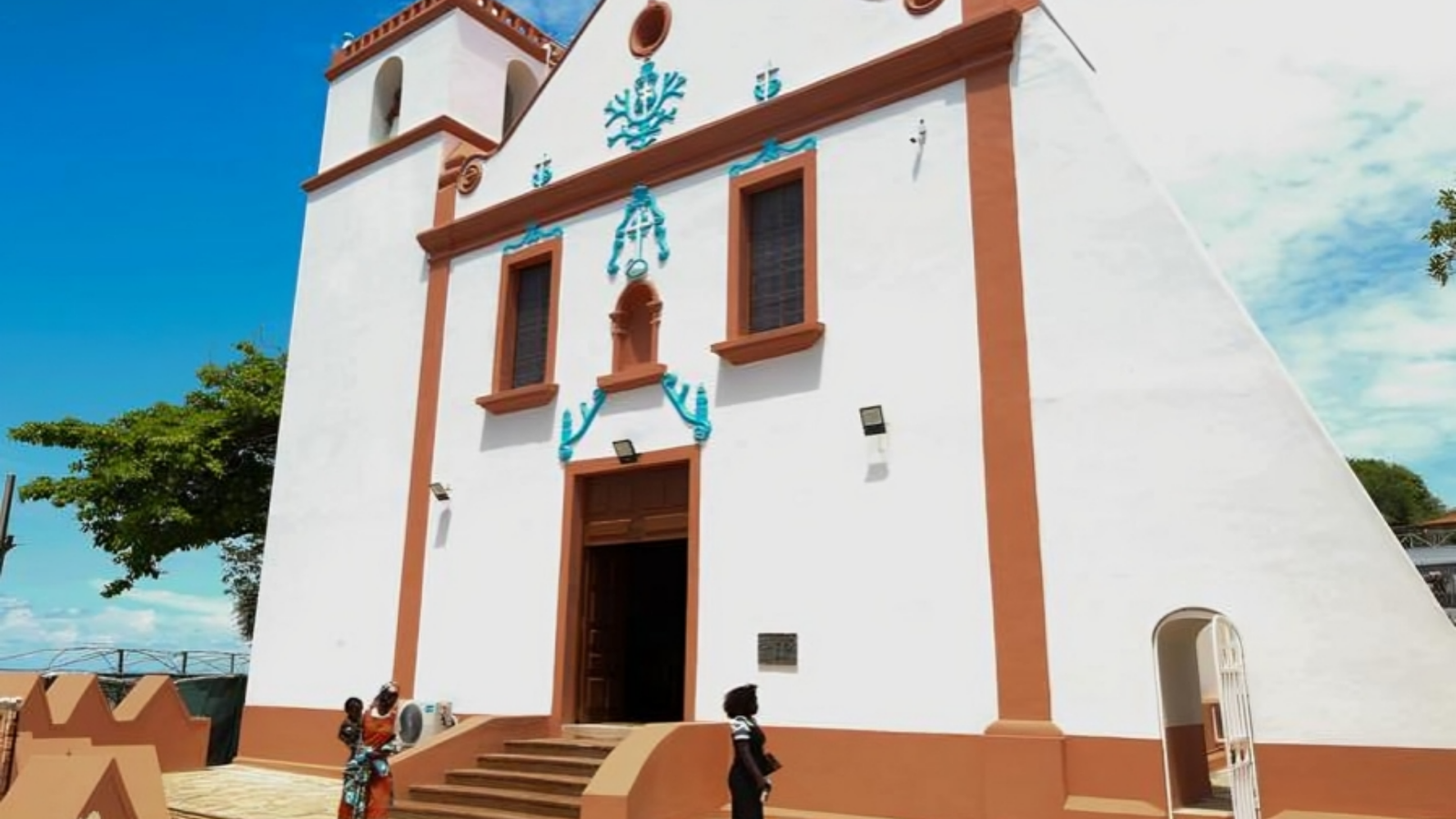
The Church of Our Lady of Muxima in Angola stands as one of the most haunting reminders of the brutal link between Catholic expansion and the trans‑Atlantic slave trade. Built by Portuguese colonisers in the late 16th century as part of a fortress complex, the white‑walled church became a central point in the trafficking of enslaved Africans a place where people were gathered, baptised and then forced to march nearly 150 kilometres to Luanda before being shipped to the Americas.
Pope Leo XIV is expected to visit the historic site on Sunday during his Africa tour, a gesture acknowledging its later transformation into a major Catholic shrine after reports of an apparition of the Virgin Mary around 1833. But long before it became a place of pilgrimage, Muxima was a gateway to unimaginable suffering.
Portugal’s slave‑trading empire was bolstered by 15th‑century Vatican directives that authorised the enslavement of non‑Christians. Angola became the epicentre of this system: more than five million Africans were taken from the region the highest number from any single country making up nearly half of all enslaved Africans transported across the Atlantic.
It remains unclear whether Pope Leo will directly address this history during his visit. Previous popes have confronted the legacy of slavery, including St. John Paul II, who spoke about it during trips to Cameroon in 1985 and Senegal in 1992. When Joe Biden visited Angola in 2024, he described slavery as America’s “original sin,” underscoring the global reckoning with this past.
As Angola prepares for the papal visit, Muxima stands as both a spiritual landmark and a stark reminder of centuries of exploitation — a place where faith and trauma remain inseparably intertwined.




+ There are no comments
Add yours