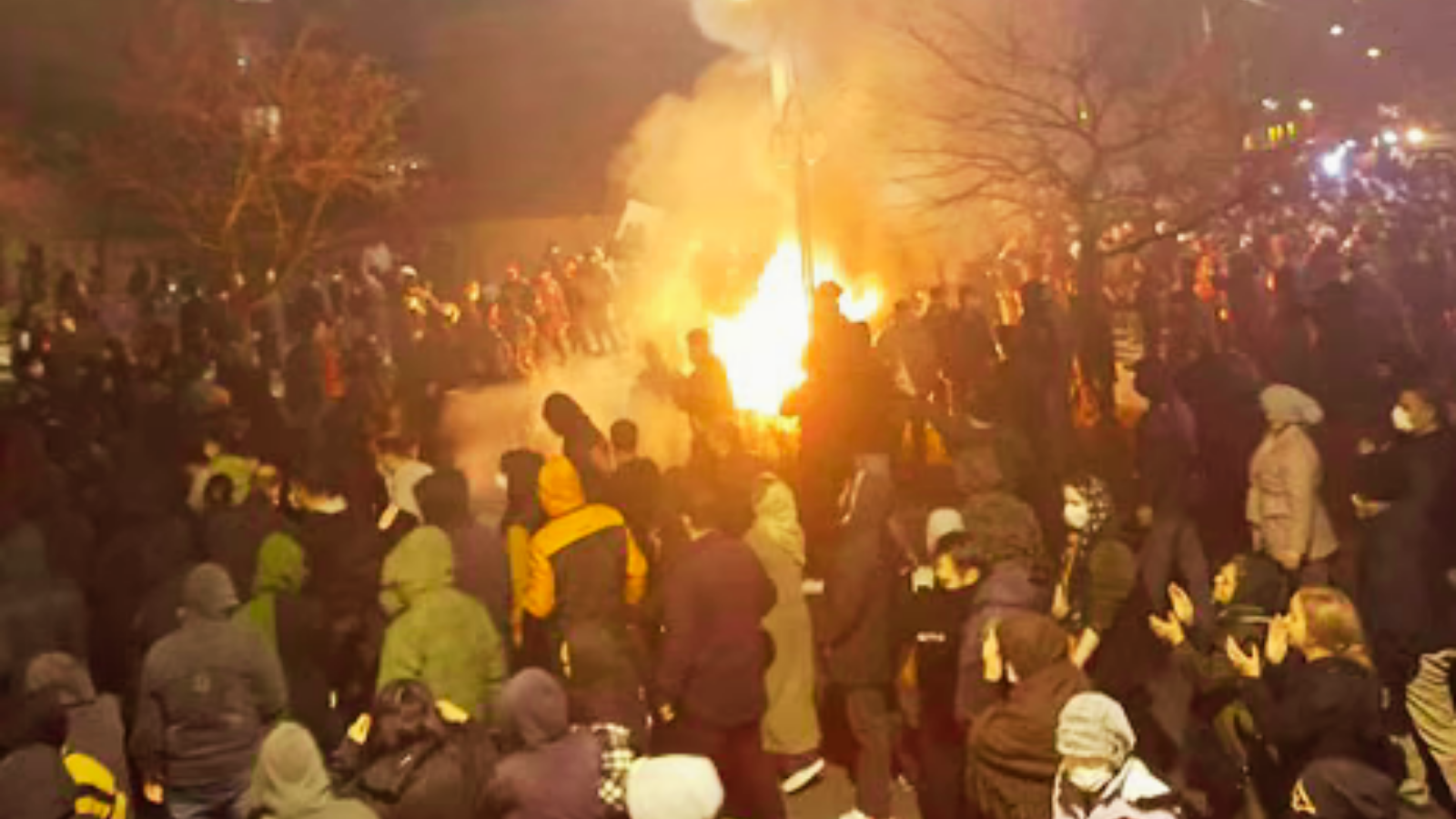
Iran’s recent wave of nationwide protests has revealed a sharp divide between government‑issued and independent death tolls, underscoring long‑standing concerns about transparency in the country’s reporting.
State television, citing the Interior Ministry, announced that 3,117 people had been killed. Of them, 2,427 were labelled “martyrs” a category that includes civilians and security personnel while 690 were classified as “terrorists-rioters.” This framing reflects the government’s political narrative around the unrest, grouping ordinary protesters and security forces within the same official tally.
Ali Akbar Pourjamshidian, secretary of the National Security Council, claimed that only those who attacked government or military installations were categorised as “rioters,” arguing that the large number of “martyrs” demonstrates the state’s “tolerance.”
Independent assessments tell a very different story. A US‑based human rights monitoring network estimates the death toll at 4,560, while several international sources suggest the real number could exceed 15,000. None of these higher figures have been independently verified, largely due to Iran’s persistent opacity and restrictions on information flow, a criticism that has trailed the government for years.
The protests, which began on 28 December over rising living costs and inflation, spread rapidly across 31 provinces, turning into one of the most widespread uprisings in recent memory.









+ There are no comments
Add yours