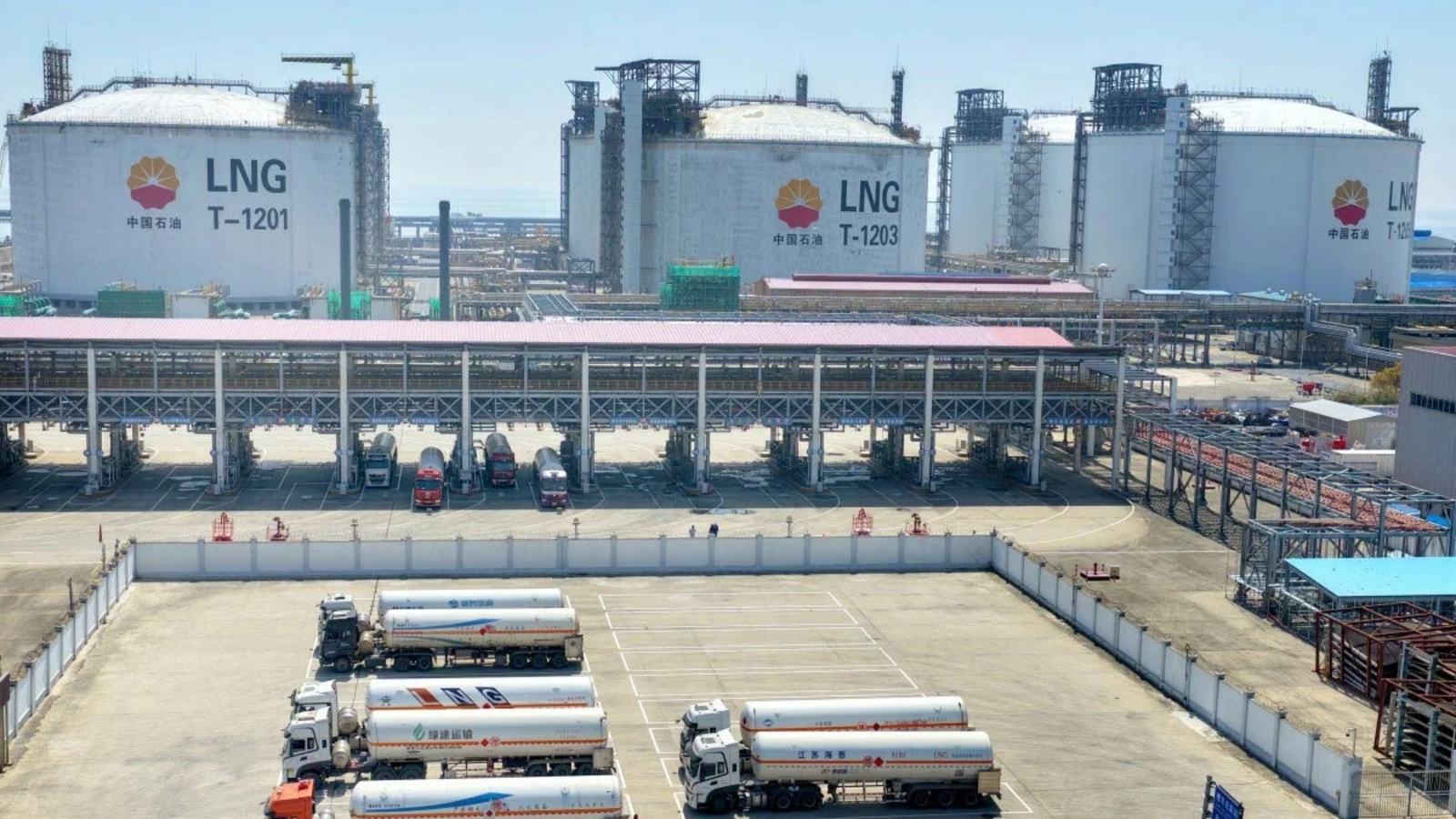
A new report has sounded the alarm over a massive Japan-backed energy plan in southeastern Bangladesh, warning that it could tie the country to imported liquefied natural gas (LNG) for decades and expose it to soaring costs.
The investment is linked to the Moheshkhali-Matarbari Integrated Infrastructure Development Initiative (MIDI). Of the proposed spending, around $19 billion would go towards gas-fired power plants, with another $1 billion earmarked for an onshore LNG import terminal.
The MIDI master plan, drawn up by the Japan International Cooperation Agency (JICA), proposes 13 gigawatts of new LNG-based power generation capacity in the Chattogram region. It also includes an onshore LNG terminal capable of supplying 1,000 million cubic feet of gas per day.
The financial stakes are enormous. According to the report, Bangladesh’s annual LNG import bill could climb to $25.8 billion if the average prices forecast for 2027 hold over the longer term. If international prices fall, the yearly cost could drop to around $7 billion, but the gap shows just how exposed the country would be to swings in the global market.
Munira Chowdhury, Asia Energy Transition Director at Market Forces and the report’s author, did not mince her words. She said Japanese companies and associated interest groups were pushing Bangladesh towards a dangerous dependence on LNG, putting millions of lives and the country’s climate security at risk.
The findings are likely to fuel fresh debate over how Bangladesh should power its future, and whether betting heavily on imported gas is a risk the nation can afford.










+ There are no comments
Add yours