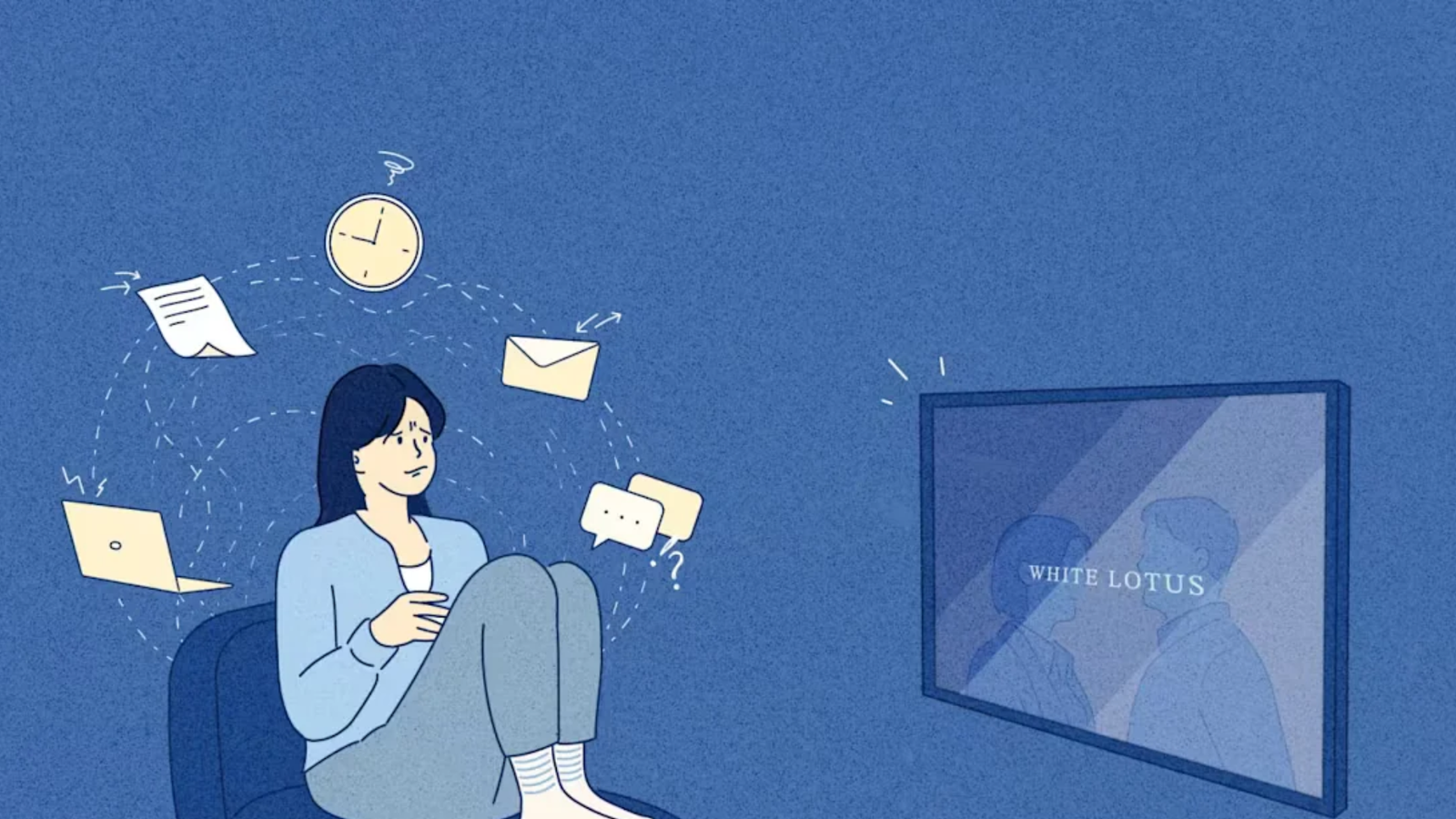
Struggling to switch off at the end of the working day? The culprit may be a century-old psychological quirk known as the “Zeigarnik effect”, the tendency for unfinished tasks to linger in the mind long after we have stepped away from them.
BBC Future columnist Melissa Hogenboom knows the feeling well. At any given moment she has dozens of browser tabs open, most of them research for her column. On one recent day she counted 61 in a single window. Closing them at the end of a project feels cathartic, she writes, because each tab represents an unfinished task, and research shows such tasks can tax the brain and undermine focus.
The trouble is that in modern working life, one project rarely ends cleanly before the next begins. Often they overlap. But experts say there is a huge mental benefit to being able to switch off, as long as we take conscious steps to do so.
The idea that unfinished tasks hold a special place in memory goes back almost 100 years. In 1927, Russian psychologist Bluma Zeigarnik published a paper showing that people were more likely to remember tasks they had been interrupted while doing than those they had been allowed to complete.
The inspiration reportedly came from a busy restaurant. Zeigarnik’s supervisor, Kurt Lewin, noticed that waiters remembered large orders perfectly until the bill was paid, at which point the details were promptly forgotten.
It is the same pull that keeps viewers glued to a TV series: an unresolved plot keeps the characters’ journey fresh in our minds and urges us to keep watching.
Psychologists still use the term “Zeigarnik effect” today. While the memory boost linked to unfinished tasks has proved difficult to replicate consistently, the idea has inspired numerous studies showing that incomplete tasks continue to occupy our thoughts.
“We have this cognitive need for closure and we want to finish things,” says Christine Syrek, a psychology professor at the University of Applied Sciences Bonn-Rhein-Sieg in Germany.
That mental grip is not all bad. Keeping unfinished work vivid can actually help. “It’s functional because it helps us when we get started again: we have everything cognitively present,” Syrek explains. The challenge is learning when, and how, to let it go.











+ There are no comments
Add yours