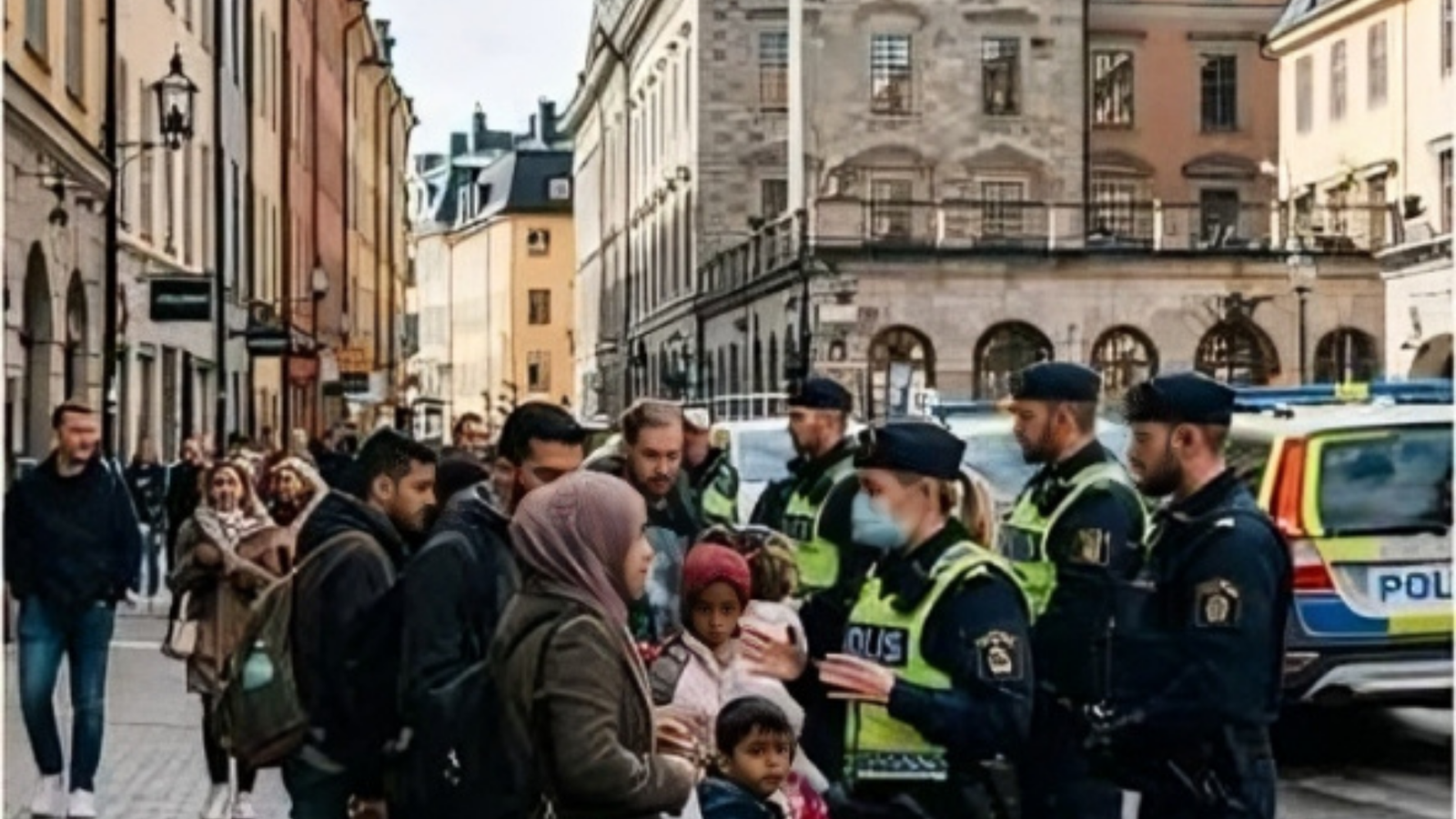
Sweden’s increasingly restrictive migration policies are drawing concern from healthcare professionals, who warn that tighter immigration rules could worsen staff shortages in a sector heavily reliant on foreign-born workers ahead of the country’s general election.
At NU Hospital Group in the southern city of Trollhättan, the impact of immigration on healthcare is impossible to ignore. Nurse Johanna Bjorkman noted that she was the only member of her team born in Sweden, while the rest of her colleagues came from abroad.
“There wouldn’t have been any operations without them,” she said, highlighting the essential role immigrant healthcare workers play in maintaining medical services.
The dependence on foreign-born staff extends across the country. According to the Swedish Association of Local Authorities and Regions (SKR), around 37 percent of specialist doctors in Sweden were born abroad, while 53 percent of nursing assistants have immigrant backgrounds. These figures underscore the healthcare system’s growing reliance on international talent.
Sweden significantly tightened its migration policies following the large influx of asylum seekers in 2015, with both left- and right-wing governments introducing stricter asylum and immigration regulations. While highly skilled doctors and specialist nurses often meet the country’s tougher income requirements for work permits, many nursing assistants, elderly-care workers and family members of healthcare employees struggle to qualify under the new rules.
Davood Javid, a senior cardiology specialist originally from Iran, said the changes have had a profound impact on immigrant families. He pointed out that three out of four doctors working in his cardiology department were born outside Sweden.
Javid became a vocal critic of the policies after his nephew’s two daughters, aged 21 and 24, were deported despite having lived in Sweden for eight years and training to become nurses. Their case attracted national attention and became part of a broader debate surrounding so-called “teenage deportations,” where individuals who arrived in Sweden as children later face removal as adults because they fail to meet residency or income requirements.
According to Javid, such decisions can leave healthcare professionals questioning their future in Sweden, particularly when family members are forced to leave the country.
“The individual loses out, the family is torn apart, and society pays the price for this,” he said, arguing that public debate often focuses on migration-related crime while overlooking the economic and social contributions made by immigrants.
NU Hospital Group Director Bjorn Jarbur also expressed concern, revealing that at least one employee had left the healthcare system after their child was deported. He warned that losing experienced and qualified staff poses a serious challenge at a time when healthcare services are already facing recruitment pressures.
As Swedes prepare to head to the polls, the debate over migration is increasingly intersecting with concerns about workforce shortages, with healthcare leaders warning that stricter immigration policies could have unintended consequences for the country’s medical system.








+ There are no comments
Add yours