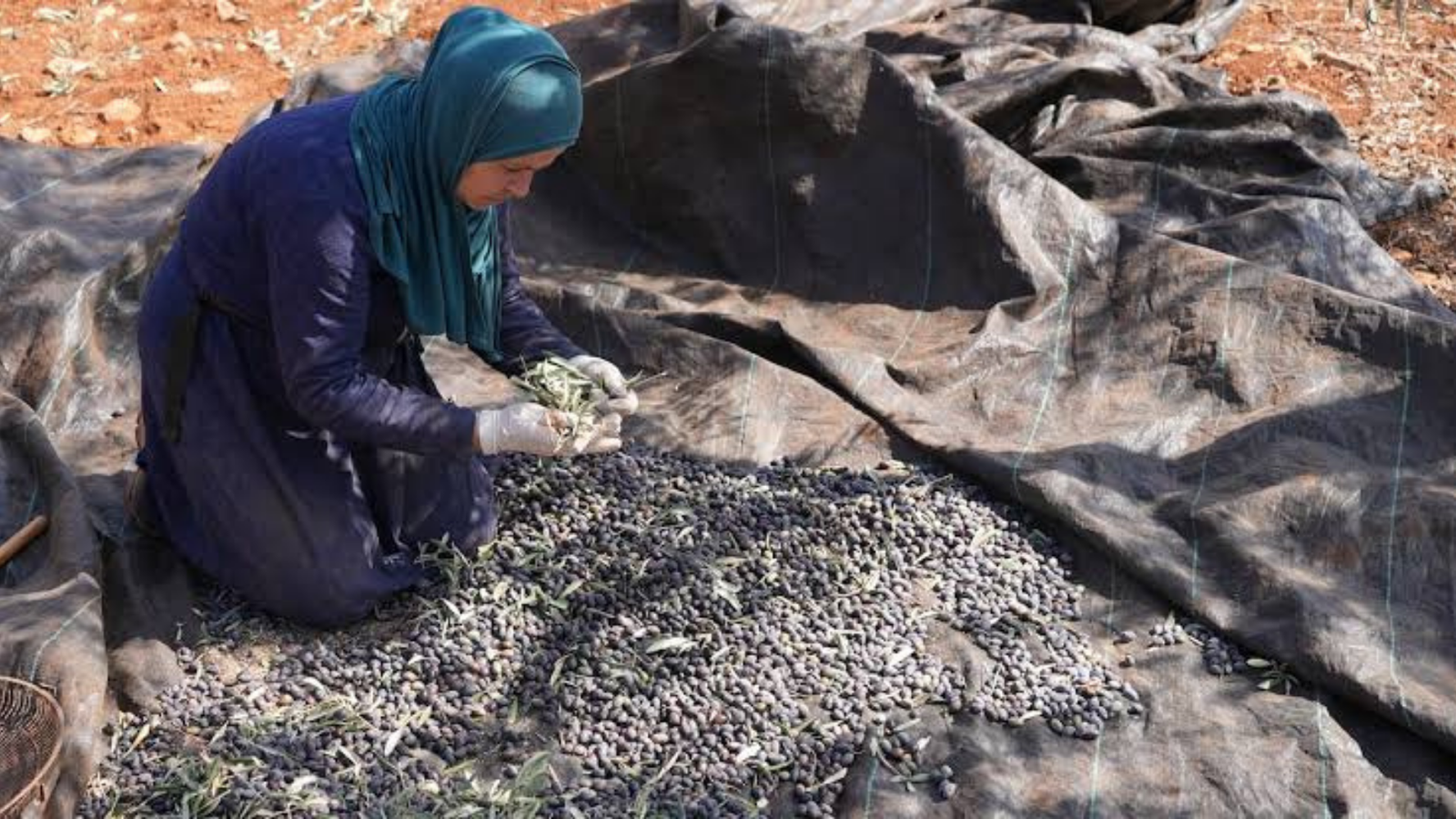
High in the hills above the Roman columns of ancient Sebastia in the occupied West Bank, olive groves tended by Palestinian families for generations are now at risk of being taken over by Israeli authorities. Landowner Abu Mudif says he has received notice that his fields are part of roughly 450 acres slated for expropriation to make way for a major new national park.
For Palestinian farmers, compensation is rare — and when offered, many refuse it, seeing acceptance as legitimising the loss of land they consider part of their heritage. For Abu Mudif, the impact is not only financial but deeply personal. “It is like having your soul ripped away,” he said. “I cannot imagine myself without my land.”
Local business owner Nahed Sakha, who runs a restaurant now facing demolition, believes the plan will effectively cut Palestinian residents off from Sebastia’s archaeological treasures a site with remains spanning thousands of years, including Jewish, Roman, Crusader and Ottoman eras.
Their concerns have been echoed internationally. UNESCO has not only listed Sebastia as a World Heritage Site but has now added it to the List of World Heritage in Danger, warning that the planned “Samaria (Shomron) national park” could divide and threaten the integrity of the ancient site.
Standing between the old Roman forum and the basilica columns, village mayor Mohammed Azem points to rubbish scattered among the ruins. Locals, he says, are now afraid to clean the area, worried that any movement near the site could trigger confrontations with Israeli security forces or settlers.
Sebastia’s residents fear that the new park will not only erase their access to the land but also sever their connection to a place where their families have lived, worked and preserved history for generations.Local business owner Nahed Sakha, who runs a restaurant now facing demolition, believes the plan will effectively cut Palestinian residents off from Sebastia’s archaeological treasures — a site with remains spanning thousands of years, including Jewish, Roman, Crusader and Ottoman eras.
Their concerns have been echoed internationally. UNESCO has not only listed Sebastia as a World Heritage Site but has now added it to the List of World Heritage in Danger, warning that the planned “Samaria (Shomron) national park” could divide and threaten the integrity of the ancient site.
Standing between the old Roman forum and the basilica columns, village mayor Mohammed Azem points to rubbish scattered among the ruins. Locals, he says, are now afraid to clean the area, worried that any movement near the site could trigger confrontations with Israeli security forces or settlers.
Sebastia’s residents fear that the new park will not only erase their access to the land but also sever their connection to a place where their families have lived, worked and preserved history for generations.








+ There are no comments
Add yours