Nearly a year after Prime Minister Anthony Albanese joined a group of nations in recognizing the State of Palestine at the United Nations General Assembly, international efforts to preserve the prospect of Palestinian statehood have entered a new and more confrontational phase.
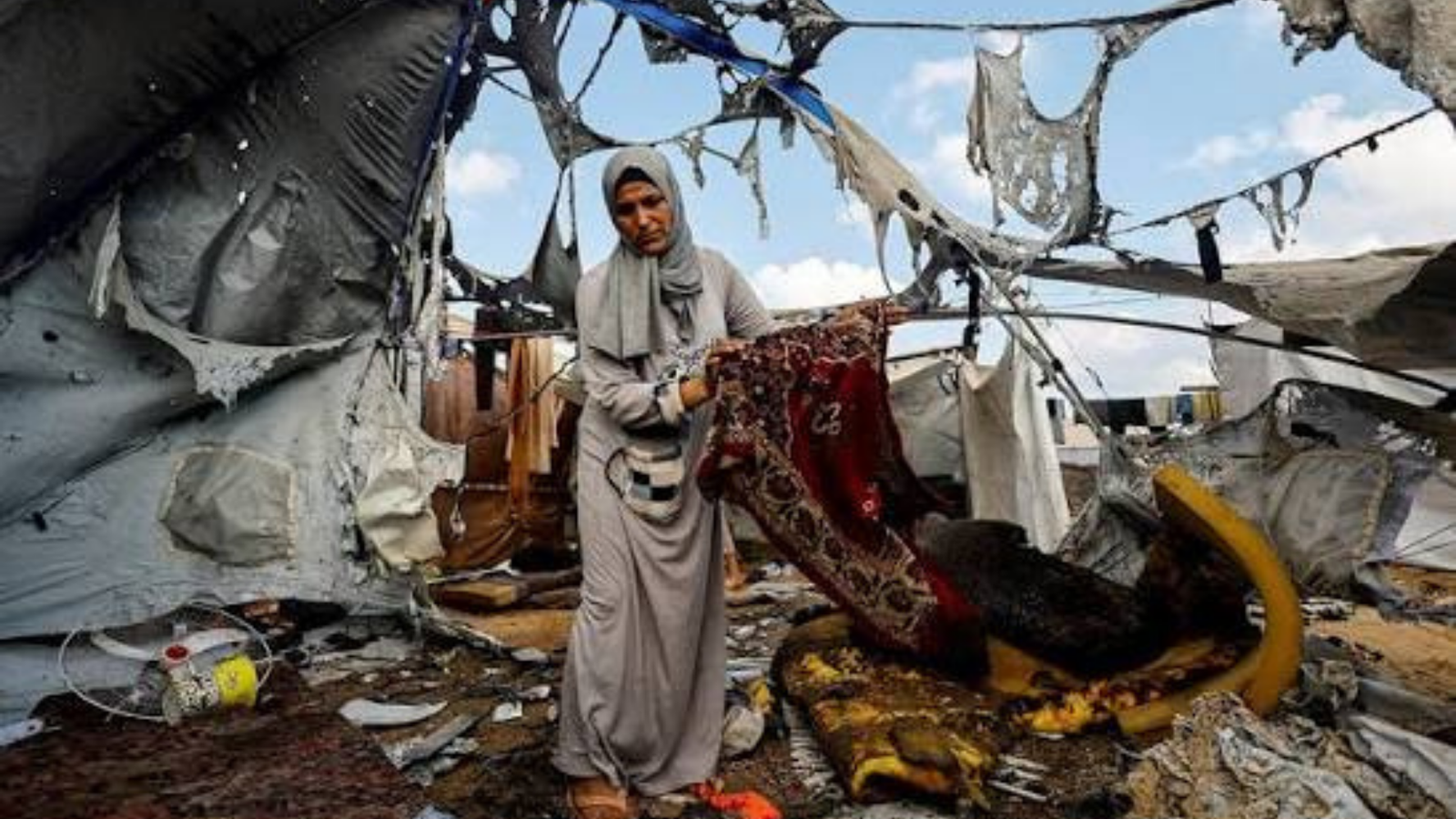
When Australia and 10 other countries formally recognized Palestine, critics argued the move came too late and amounted to little more than a symbolic gesture. At the time, prospects for an independent Palestinian state were already under severe strain, with Gaza devastated by war and Israel accelerating settlement construction across the West Bank.
Over the past year, the situation has continued to deteriorate. While global attention shifted toward escalating regional conflicts involving Iran and Lebanon, the Israeli government pressed ahead with policies that critics say further undermine the viability of a future Palestinian state.
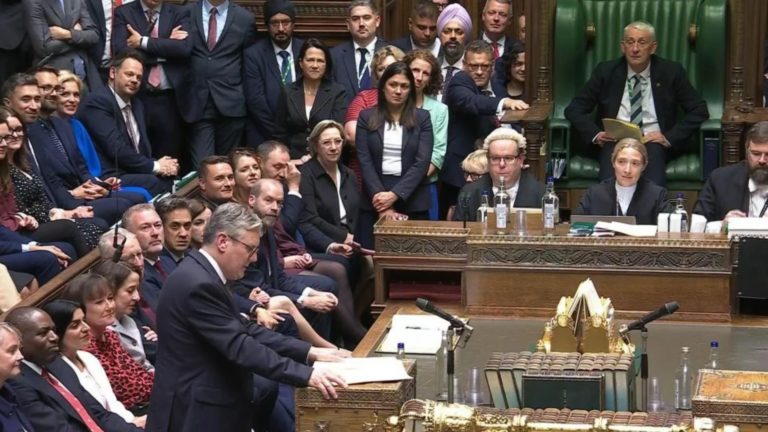
Against this backdrop, the latest action by a coalition of Western nations represents a significant shift in international policy. Led by the United Kingdom and joined by France, Canada and several European countries, the group has moved to impose restrictions on imports from Israeli settlements in the occupied West Bank, signaling a tougher stance on settlement expansion.
The development is notable not only because it introduces trade-related measures but also because it reflects growing frustration within parts of the international community over developments in the occupied territories. The move marks an escalation from diplomatic criticism and symbolic gestures toward more tangible economic and political actions.
Supporters of the measures argue that they are intended to preserve the possibility of a two-state solution by discouraging settlement expansion and reinforcing longstanding international concerns over the future status of the West Bank. Critics, however, contend that such actions could further complicate an already fragile regional landscape.
The latest decisions underscore how rapidly the international conversation surrounding Israel, Palestine and settlement policy has evolved over the past year. What began as a debate over symbolic recognition has increasingly shifted toward practical measures aimed at influencing developments on the ground.
As international pressure grows and geopolitical tensions continue to reshape the Middle East, the question of Palestinian statehood remains at the center of one of the world’s most complex and enduring conflicts.








+ There are no comments
Add yours