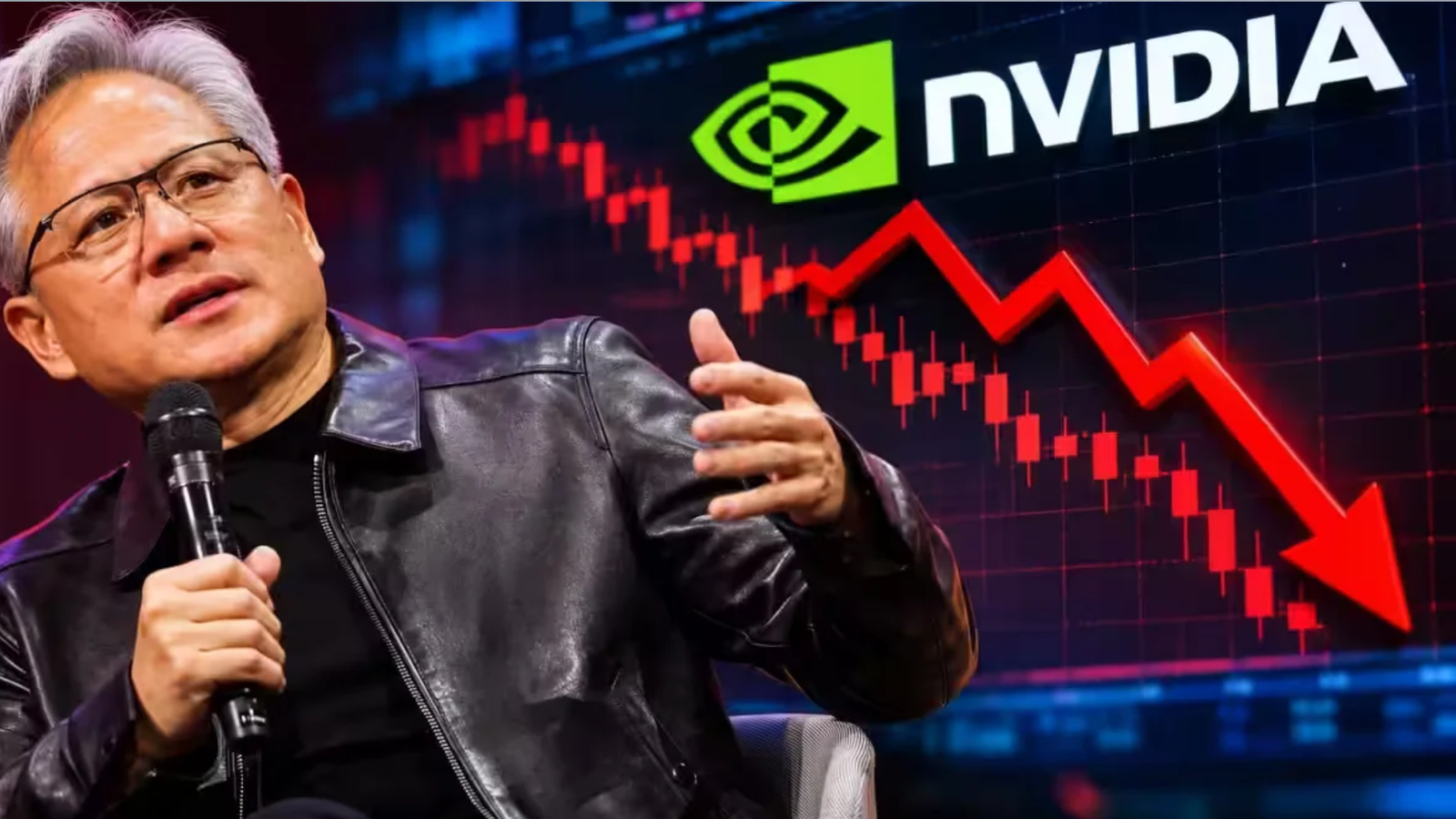
In a stunning development shaking Silicon Valley and the global technology industry, Jensen Huang, the co-founder and longtime chief executive of Nvidia, has resigned with immediate effect following a series of personal and national security controversies that have placed the world’s leading AI chipmaker under intense scrutiny.
The departure of one of the most influential figures in the artificial intelligence revolution marks a dramatic turning point for Nvidia, the company Huang helped build into a global technology powerhouse since its founding in 1993. Nvidia’s board confirmed his resignation as president, CEO and board member on Thursday, November 12, while announcing that Chief Financial Officer Colette Kress would take over as interim chief executive as the company begins its search for a permanent successor.
The controversy intensified after reports emerged of Huang’s alleged extramarital relationships, including one involving Alice Huang, a former executive at Singapore-based data centre company Megaspeed. US intelligence officials have reportedly raised concerns about her alleged connections to Chinese intelligence, an allegation that China has rejected. Alice Huang is not related to the Nvidia founder.
Huang previously acknowledged being unfaithful to his wife in a message to Nvidia employees, following reports about the relationship. The situation escalated further after media reports alleged another relationship involving Kimberly Powell, Nvidia’s vice-president of healthcare. Reuters subsequently reported a further alleged relationship with another employee, citing people familiar with the matter.
The allegations have raised questions well beyond Huang’s private life. US lawmakers and national security officials are examining whether the reported connections could have implications for technology security and the increasingly sensitive competition between Washington and Beijing over advanced artificial intelligence chips.
The financial consequences have also been significant. Nvidia shares experienced sharp volatility amid the developments, with reports estimating that the company’s market value declined by hundreds of billions of dollars during the week. The scale of the market reaction highlights how closely investors associate Nvidia’s future with Huang’s leadership and the wider AI boom.
Despite the upheaval, Nvidia’s board has expressed confidence in its existing leadership team and the company’s operational continuity. Colette Kress, who has served as chief financial officer since 2013, will lead the company on an interim basis while the board considers internal and external candidates for the top position.
The departure of Huang represents more than a leadership change. It raises fresh questions about corporate governance, executive accountability, national security and the concentration of influence within the global artificial intelligence industry. For Nvidia, the immediate challenge will be to reassure investors, customers and technology partners that its long-term strategy remains firmly on course.
As the AI industry watches closely, the company that became synonymous with the global artificial intelligence revolution now faces one of the most consequential leadership transitions in its history.







+ There are no comments
Add yours