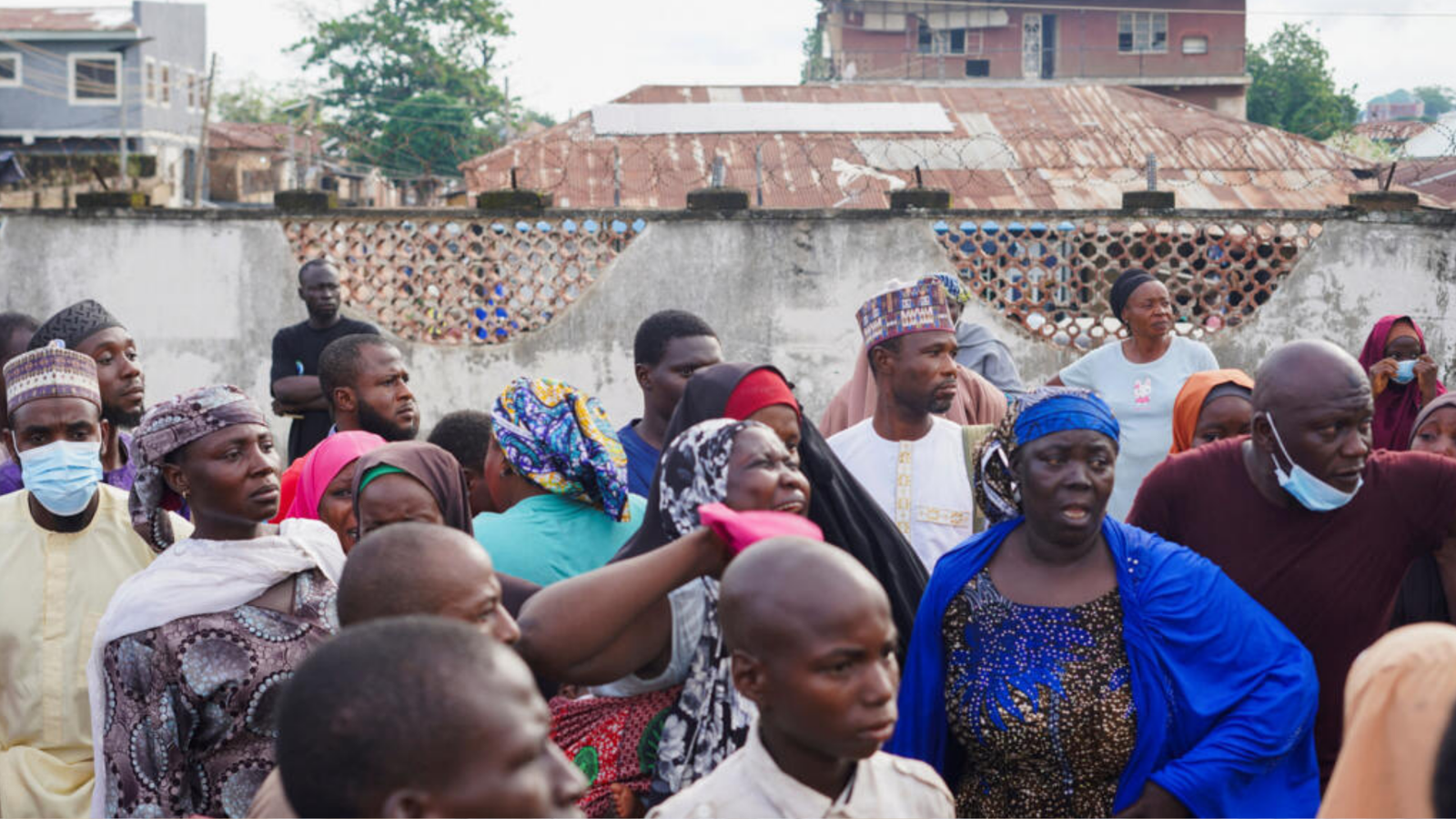
Nigeria’s government has appointed a 10-member independent panel to investigate the deaths of 37 detainees who were found dead inside a holding cell operated by the Nigeria Security and Civil Defence Corps (NSCDC) in central Nigeria.
The victims, mostly young men, were discovered dead on Thursday in a crowded detention facility in Minna, the capital of Niger State, after being arrested on suspicion of involvement in illegal gold mining activities. The incident has sparked widespread concern and renewed scrutiny of detention conditions and accountability within security agencies.
According to survivor accounts, detainees were held in an overcrowded cell with poor ventilation. Several survivors alleged that a substance causing severe irritation to the throat and nose was released into the cell before the door was shut. They further claimed that repeated calls for help went unanswered as conditions inside the facility deteriorated.
The deaths prompted an immediate response from President Bola Tinubu, who ordered a comprehensive investigation and said there would be no tolerance for fatalities resulting from negligence, misconduct, abuse of authority, or failure of duty by public officials.
Interior Minister Olubunmi Tunji-Ojo announced the creation of the investigative panel on Saturday. The committee includes a retired intelligence official, a medical expert, a human rights advocate, and a representative from the miners’ association, among other members.
Officials said the panel has been given two weeks to complete its investigation and submit a report. The inquiry will examine the circumstances surrounding the deaths and determine whether there was any responsibility, negligence, misconduct, or complicity by individuals or institutions involved.
The case has attracted significant public attention as authorities seek answers about one of the deadliest incidents reported in a detention facility in recent years. Human rights groups and community leaders have called for transparency throughout the investigative process and accountability where wrongdoing is identified.
The findings of the panel are expected to play a key role in determining potential legal and administrative actions while also informing discussions about detention standards, prisoner welfare, and oversight of security agencies across the country.










+ There are no comments
Add yours