Quebec City has just made history as the first city in the world to be designated, in its entirety, a Unesco Biosphere Reserve, and there has never been a better time to visit.
The cobblestoned capital of French-speaking Canada sits where the St Lawrence River widens towards the sea, with the summits of the Laurentian Mountains rolling north beyond the city limits. Its Old World charm may be what draws first-time visitors, but its setting encourages them to look beyond the historic streets.
Travellers can go cross-country skiing across the Plains of Abraham, a 103-hectare park that was once an 18th-century battlefield, or explore the city’s buzzing new waterfront.
Easy access to the outdoors and big strides in sustainability earned the city its Unesco recognition. Waterfront revitalisation is now drawing swimmers to L’Oasis du Port de Québec, North America’s first urban harbour swimming facility. A floating sauna complex opening there in December 2026 will give cold-water plungers a sleek way to warm up.
Quebec City’s history also reaches well beyond its colonial-era landmarks. In the nearby Indigenous Huron-Wendat community of Wendake, visitors can discover ancestral stories along Onhwa’ Lumina, a 1.2km (0.75-mile) forest trail lit with video projections.
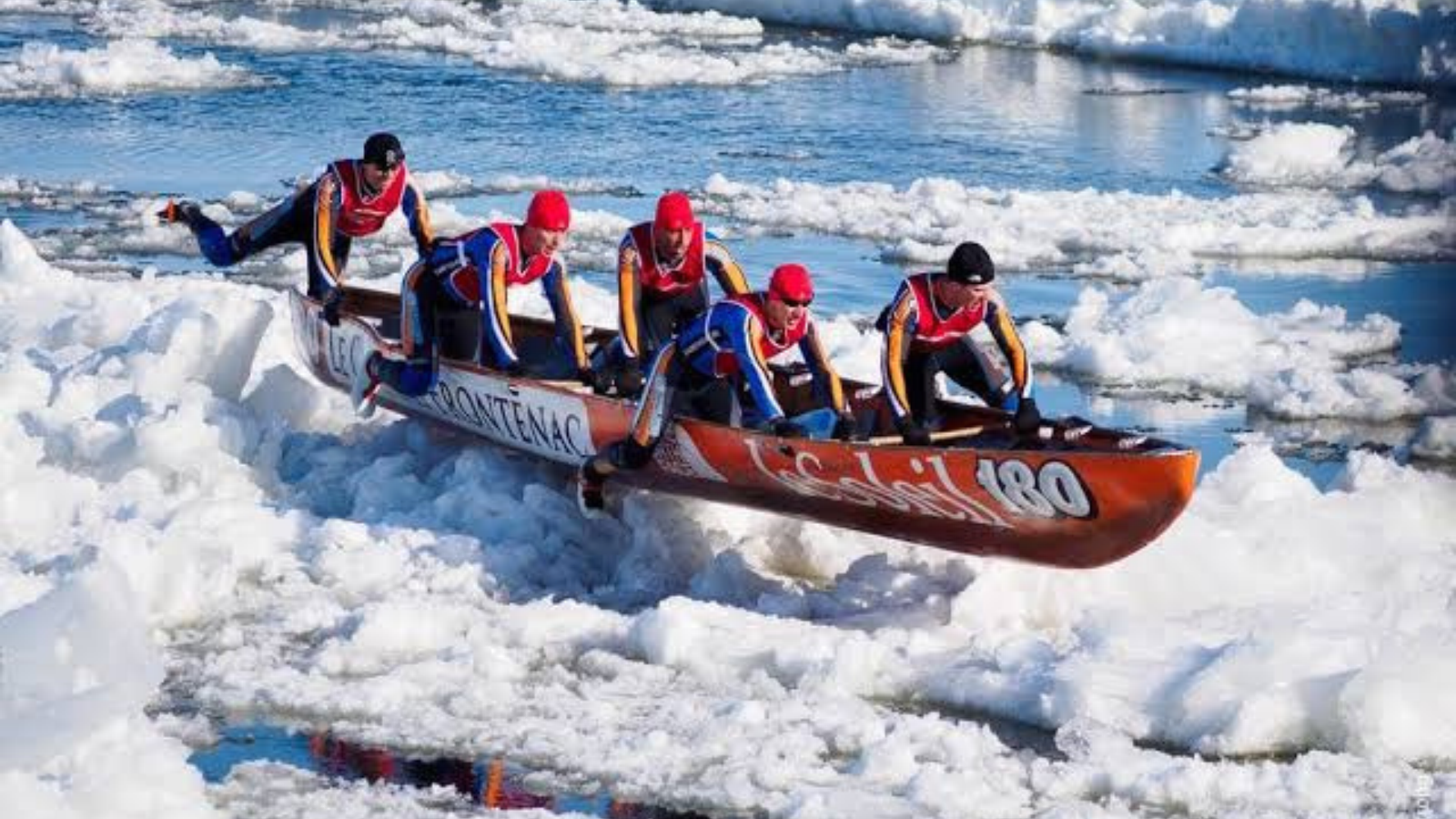
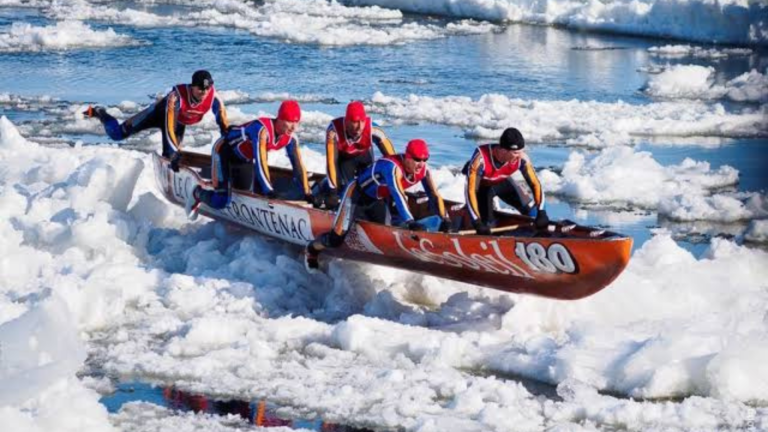
For the ultimate local adventure, try an ice-canoeing class, available from December to March. This quintessentially Québécois sport sees teams alternately paddling and sprinting across the partly frozen St Lawrence River, a thrilling way to experience the city’s wild winter spirit.
Where European elegance meets rugged Canadian wilderness, Quebec City offers a journey that is as refreshing as it is unforgettable.






+ There are no comments
Add yours