
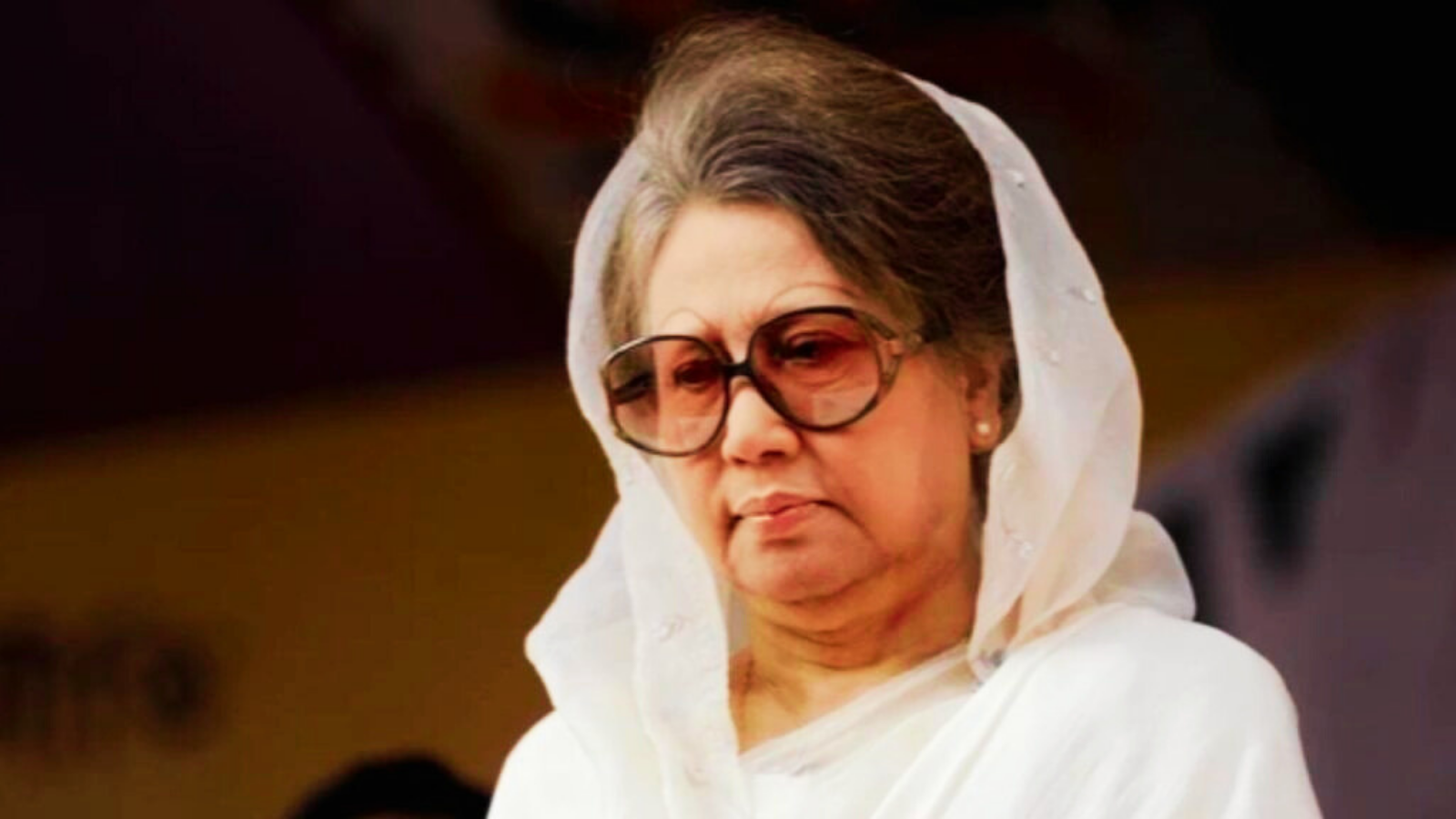
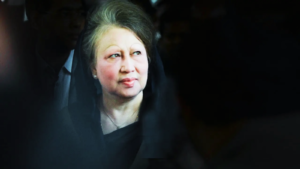
The stillness of dawn was shattered by a profound piece of news. After more than four decades as one of the most influential figures in Bangladesh’s politics, Begum Khaleda Zia is no more. She passed away at 6 a.m. on Tuesday, marking the end of a long and turbulent political era.
From Homemaker to the Peak of National Leadership
Khaleda Zia’s 41‑year political journey transformed her from a private homemaker into one of the central figures of national politics. On 10 May 1984, she was elected Chairperson of the BNP unopposed a position she held steadfastly until her death.
Alongside leading her party, she served three terms as Prime Minister. After the anti‑Ershad movement, she earned the reputation of an “uncompromising leader.” As Bangladesh’s first female Prime Minister, she secured a permanent place in the country’s political history.
A Life Marked by Crisis, Struggle, and Personal Loss
Her political career brought both triumphs and severe challenges. After the mass uprising of the 1990s and especially after 2008 she faced numerous legal and political battles. She lost the cantonment residence allocated during her husband’s tenure, and endured the heartbreaking death of her younger son, Arafat Rahman Koko.
During the 2015 blockade, she faced allegations of arson violence accusations BNP leaders have long dismissed as politically motivated.
Early Life, Education, and Family
Khaleda Zia was born on 15 August 1946 in Jalpaiguri, Dinajpur. Her father was Iskandar Majumder, and she was the third of five siblings.
After completing primary education at Dinajpur Missionary School, she passed SSC from Dinajpur Girls’ High School in 1960. That same year, she married Ziaur Rahman, then a military officer who later became President. She was the mother of two sons Tarique Rahman and the late Arafat Rahman Koko.
Imprisonment, Political Turmoil, and Release
She was imprisoned during the Ershad regime, and again in 2007 under the caretaker government. Arrested from her cantonment residence, she was taken to court and then to a makeshift jail, where she spent 372 days. Her mother, Begum Tayeba Majumder, passed away while she was incarcerated a moment that deeply broke her when she was released on parole to see the body.
In 2018, she was jailed again in an anti‑corruption case. Nearly two years later, during the COVID‑19 outbreak in 2020, she was released on conditions restricting her movement and travel abroad. Her release was extended several times.
Following the political changes after the 5 August 2025 mass uprising, she was fully pardoned by the President.
Prime Ministership and Political Legacy
Khaleda Zia was elected Prime Minister in 1991, 1996, and 2001 though her 1996 term lasted only a month. Under her leadership in 1991, Bangladesh transitioned from a presidential system back to parliamentary democracy. After losing the seventh national election, she became the Leader of the Opposition.
Final Scene
A life filled with struggle, achievement, controversy, grief, and leadership Khaleda Zia’s political journey remains a defining chapter in Bangladesh’s history. Her passing marks not only the end of an era for a political party, but also a turning point for the nation’s political landscape.






+ There are no comments
Add yours