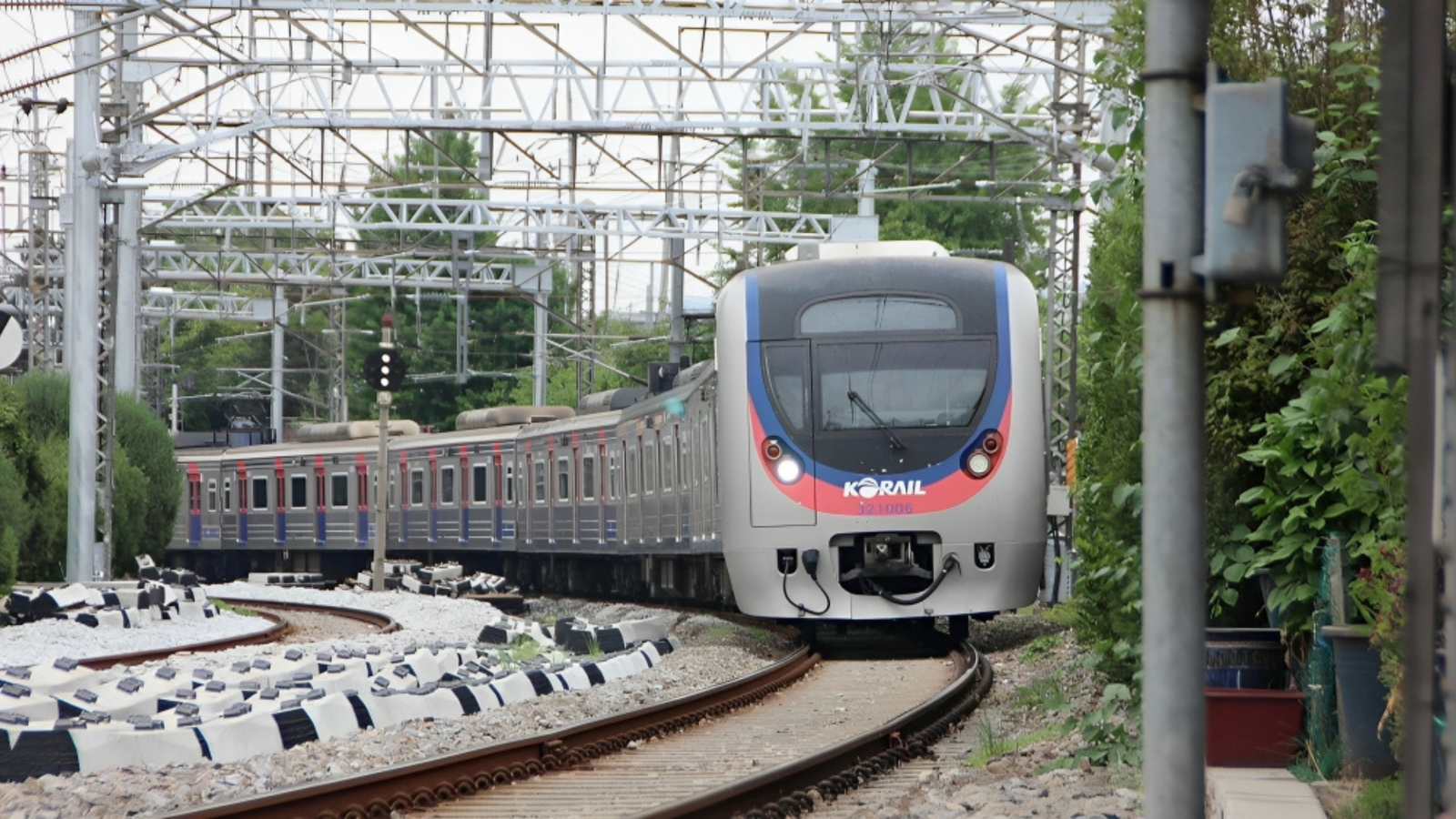
Bangladesh is preparing for a major transformation of its railway network, with the government planning to introduce modern electric trains capable of reaching speeds of up to 140 kilometres per hour. The Narayanganj–Dhaka–Joydebpur railway section has been selected as the country’s first electric train corridor, marking a significant milestone in the nation’s aambition to modernise its transportation infrastructure.
Chief Planning Officer (CPO) of Bangladesh Railway’s Planning Cell, Engineer Md Rafiqul Islam, confirmed that the government has taken the initiative to introduce electric train services as part of a broader effort to improve railway connectivity, passenger convenience and operational efficiency.
According to Rafiqul Islam, the pilot project has already received approval from the Executive Committee of the National Economic Council (ECNEC), clearing an important administrative hurdle for its implementation.
The proposed project carries an estimated cost of approximately Tk3,500 crore and is expected to receive the majority of its funding from the Asian Development Bank (ADB). The Bangladesh government will cover domestic expenses associated with imported materials, including customs duties and value-added tax (VAT).
The tendering process is expected to be completed by 2027, with major construction activities scheduled to gather momentum from mid-2028. The project will introduce a new generation of railway technology designed to make train services faster, more reliable and more efficient.
Under the initial plan, Bangladesh will import 16 sets of modern Electric Multiple Unit (EMU) trains for operation along the pilot corridor. These trains will feature driving facilities at both ends, allowing them to change direction without requiring a turnaround. The arrangement is expected to improve operational flexibility, reduce turnaround time and support more frequent train services.
However, the government’s longer-term vision extends beyond the initial Narayanganj–Dhaka–Joydebpur corridor. Extending electric train operations towards Chattogram is expected to become a major next step in expanding the country’s modern railway network.
Rafiqul Islam highlighted the strategic importance of the Dhaka–Chattogram route, which connects the capital with Bangladesh’s principal seaport and several major commercial and industrial centres. The corridor plays a crucial role in both passenger transportation and the movement of goods across the country.
Introducing electric locomotives along this important route could significantly improve the transportation of shipping containers and heavy freight, while potentially reducing journey times and overall operating costs.
The transition towards electric railway operations is also expected to strengthen Bangladesh’s long-term transportation capacity by improving efficiency and supporting the development of a more modern rail-based logistics system.
If implemented according to the proposed timeline, the initiative could represent one of the most significant developments in Bangladesh’s railway sector, opening the door to faster passenger services, improved freight connectivity and a more technologically advanced national railway network.
For millions of passengers and businesses that depend on the country’s railway system, the planned introduction of 140km/h electric trains could signal the beginning of a new chapter in Bangladesh’s transportation journey.










+ There are no comments
Add yours