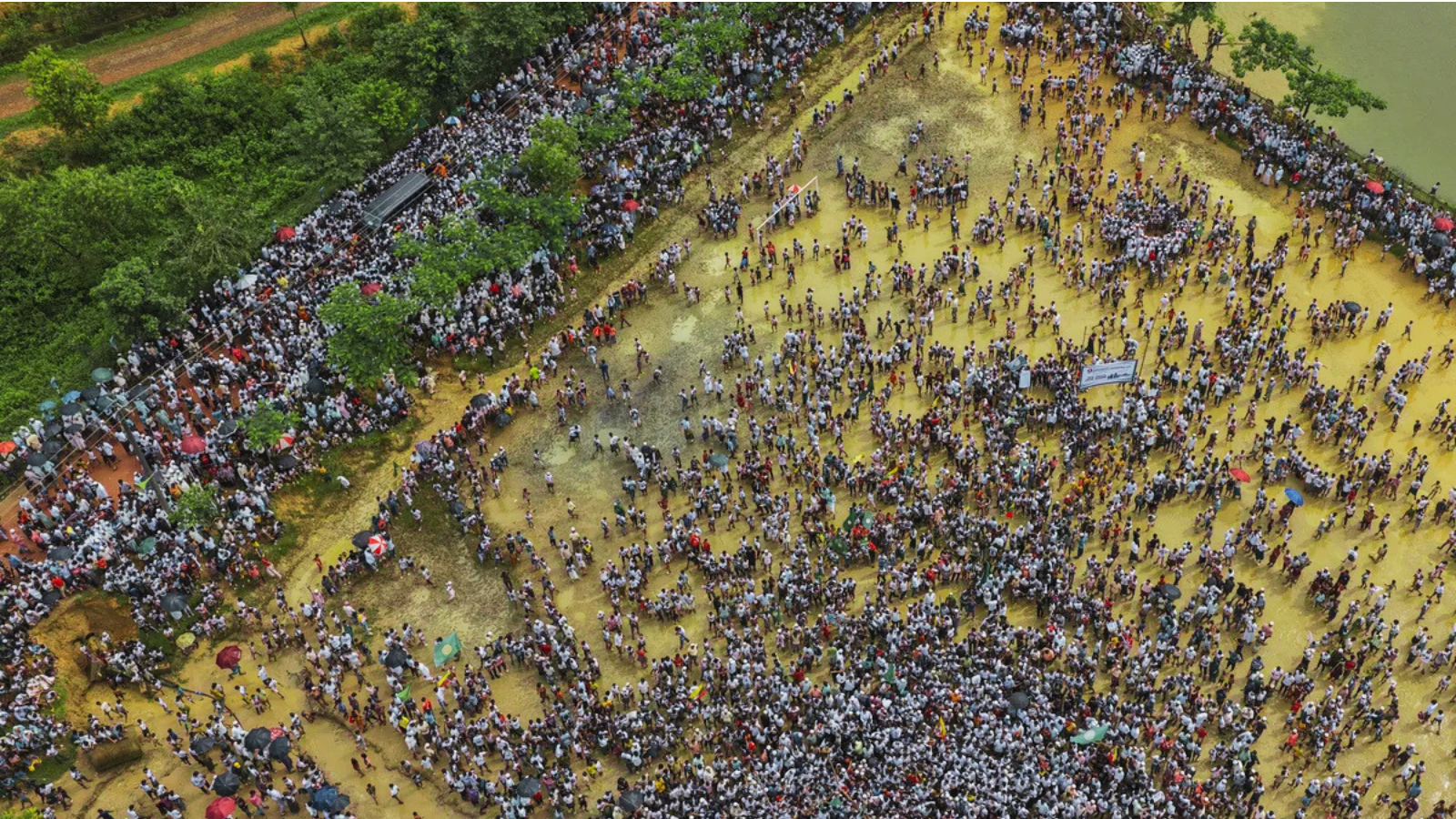
The International Court of Justice (ICJ) has concluded that Myanmar’s security forces killed thousands of Rohingya civilians, committed widespread sexual violence and carried out attacks against fleeing refugees during the military crackdown in 2017, as the United Nations’ highest court moves closer to a final determination on whether the actions constituted genocide.
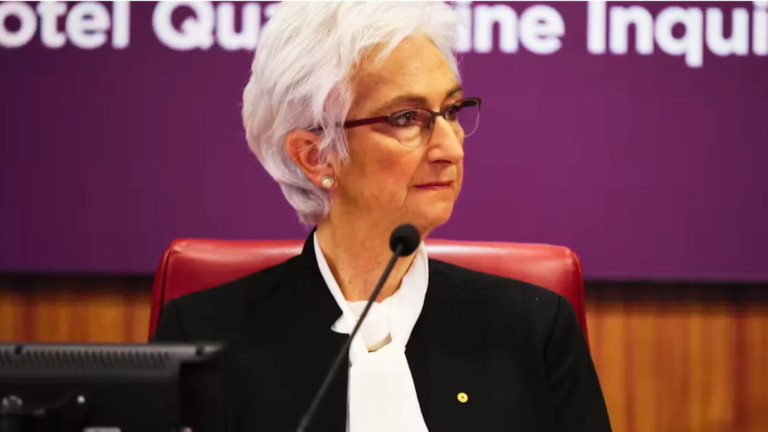
Delivering a landmark judgment, ICJ President Yuji Iwasawa said the evidence demonstrated that Myanmar’s military conducted a systematic campaign against the Rohingya Muslim minority, resulting in mass casualties, widespread abuse and the destruction of villages across Rakhine State.
According to the court, Myanmar’s armed forces killed thousands of Rohingya civilians, subjected women to sexual violence, committed severe abuses against children and attacked civilians as they attempted to flee to neighboring Bangladesh.
The ICJ stated that evidence supports estimates that approximately 10,000 Rohingya were violently killed during the 2017 military operations, which triggered one of the world’s largest refugee crises.
While the court has yet to deliver its final ruling on whether Myanmar committed genocide, Iwasawa noted that the “only reasonable inference” from the evidence was that Myanmar intended to destroy a substantial part of the Rohingya population. Establishing such intent is one of the key legal requirements for proving genocide under international law.
The case is being closely watched around the world and is regarded as one of the most significant international human rights proceedings in recent decades. The final judgment is expected to address whether Myanmar’s actions meet the legal definition of genocide and what consequences may follow.
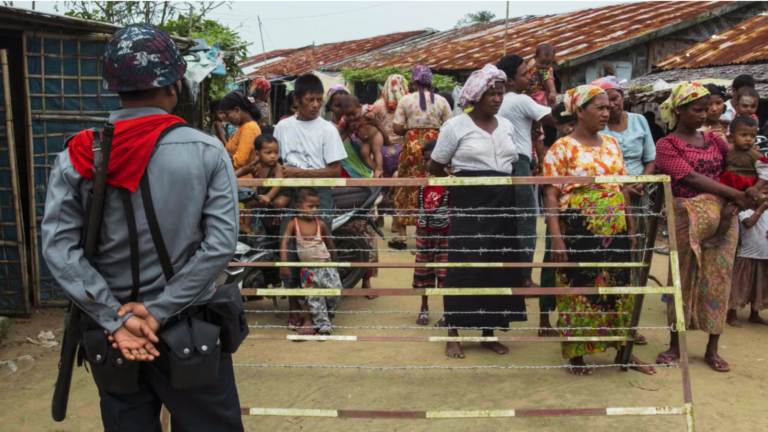
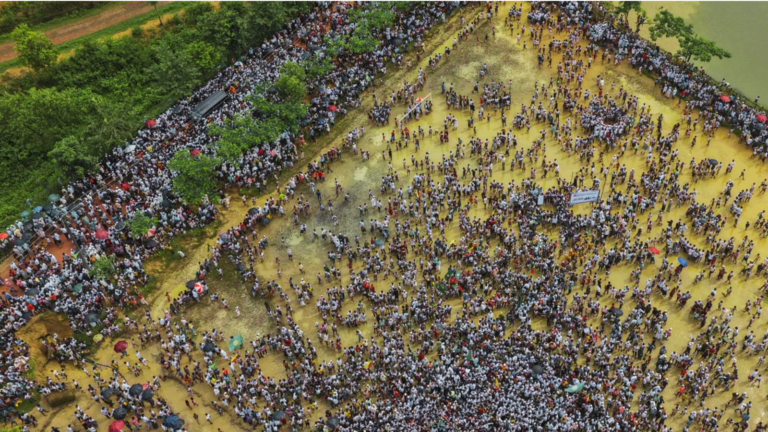
For the more than one million Rohingya refugees living in camps in Bangladesh, the court’s findings have renewed hopes for justice and accountability nearly a decade after they were forced to flee their homes.
Many survivors continue to live in overcrowded refugee settlements in Cox’s Bazar, carrying memories of violence, displacement and loss. For them, the ICJ proceedings represent a rare opportunity for international recognition of their suffering.
A 23-year-old Rohingya survivor living in Bangladesh said she hoped those responsible for sexual violence would face punishment and called for justice for women who endured abuse during the military campaign.
Human rights organizations and refugee advocates have long argued that accountability is essential for any future solution to the Rohingya crisis, including voluntary repatriation and long-term regional stability.
As the ICJ moves toward a final determination, the case remains a pivotal moment in the global pursuit of justice for one of the most persecuted minority populations in the world.




+ There are no comments
Add yours