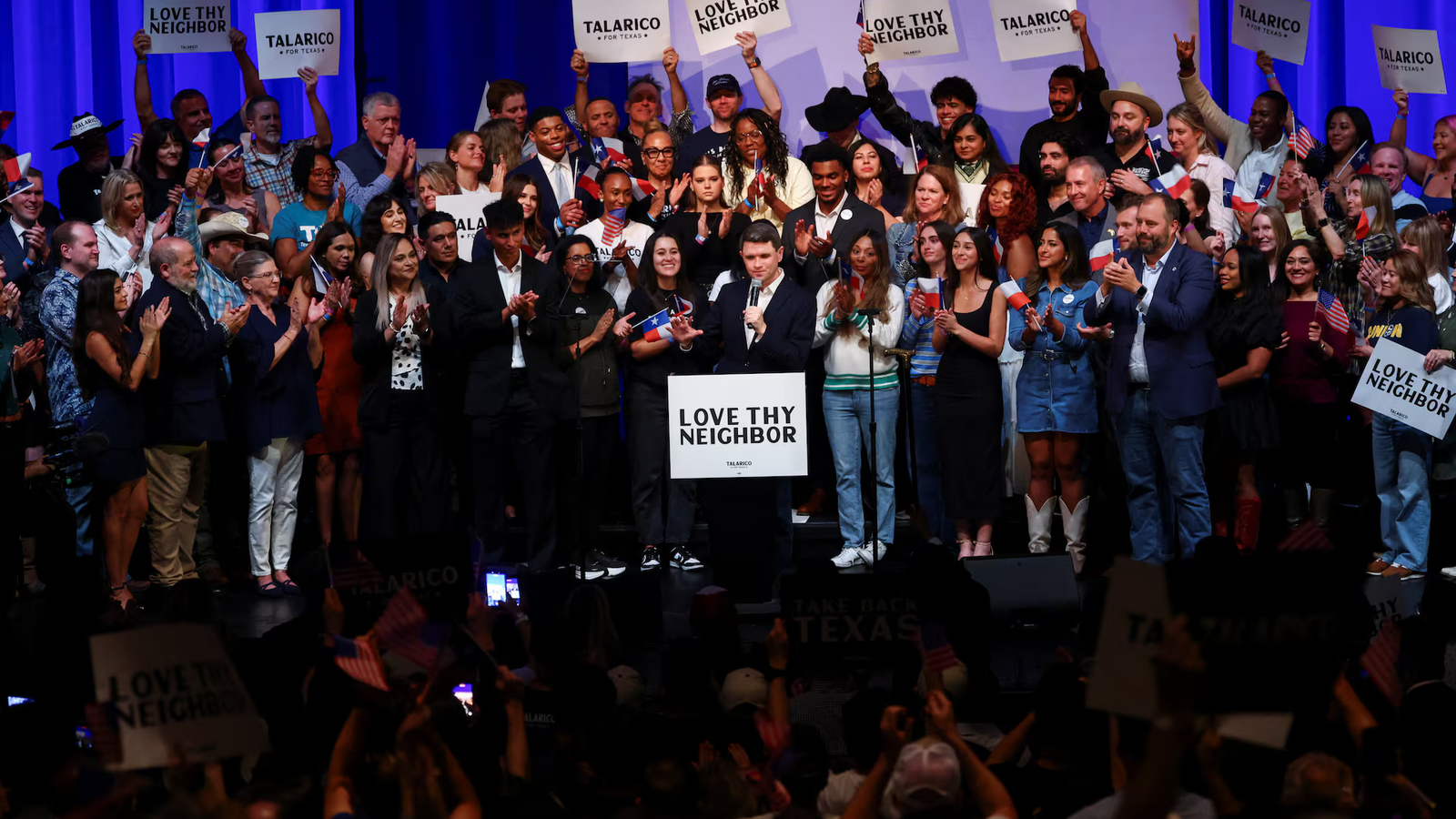
While midterm elections traditionally prove difficult for the party occupying the White House, the scale of the Republican losses exceeded many political forecasts. Democrats not only reclaimed Congress but also recorded strong performances in key Senate, House, and gubernatorial races across the country.
Although Trump’s name did not appear on the ballot, the election was widely viewed as a referendum on his administration’s record. Throughout the campaign, the president repeatedly urged supporters to treat the midterms as a vote on his leadership and political agenda.
Political analysts point to several factors behind the Republican defeat, including voter frustration over the rising cost of living, inflation pressures, and concerns over the administration’s handling of the ongoing conflict with Iran.
Many Americans have faced increasing costs for fuel, food, housing, and healthcare, issues that dominated campaign discussions in battleground states. Polling consistently showed economic concerns ranking among voters’ top priorities ahead of election day.
The Democrats successfully capitalized on those concerns, presenting themselves as an alternative capable of addressing economic challenges while expanding oversight of the executive branch.
The result continues a long-standing political trend in the United States. Since 2006, every midterm election has resulted in a shift in power away from the party controlling the White House, often serving as a public assessment of an administration’s performance.
However, analysts note that losing Congress does not automatically mean losing the presidency. Still, Republicans now face a far more difficult political landscape, with Democrats controlling both chambers of Congress and gaining the ability to influence legislation, investigations, and government oversight.
The outcome means President Trump will spend the remainder of his term working with a Congress controlled by political opponents, setting the stage for heightened legislative battles over economic policy, foreign affairs, immigration, and federal spending.
For Democrats, the victory represents a major political comeback and a powerful mandate from voters seeking change in Washington. For Republicans, it triggers a period of reflection and debate about the party’s direction heading into future national elections.









+ There are no comments
Add yours