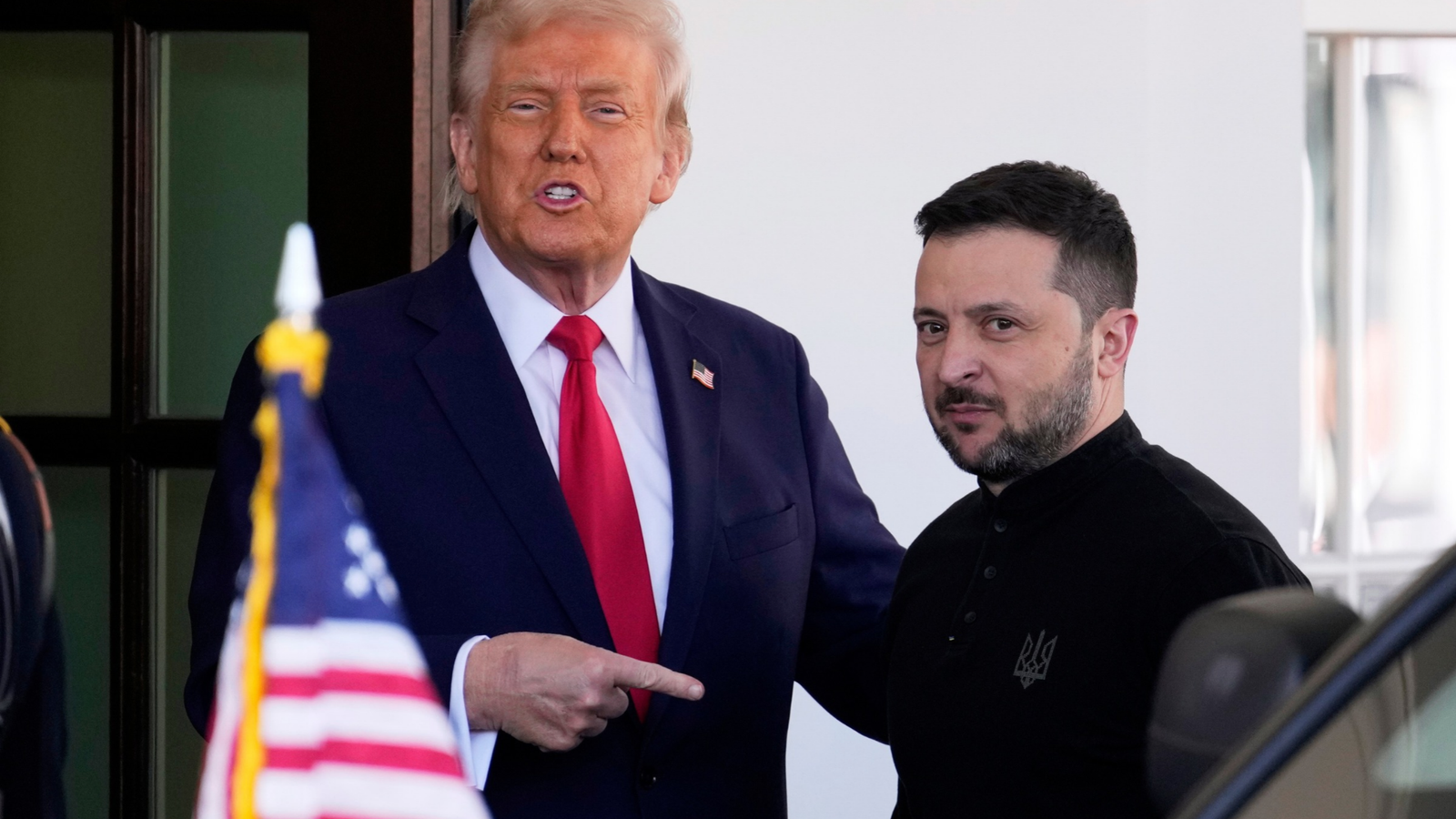
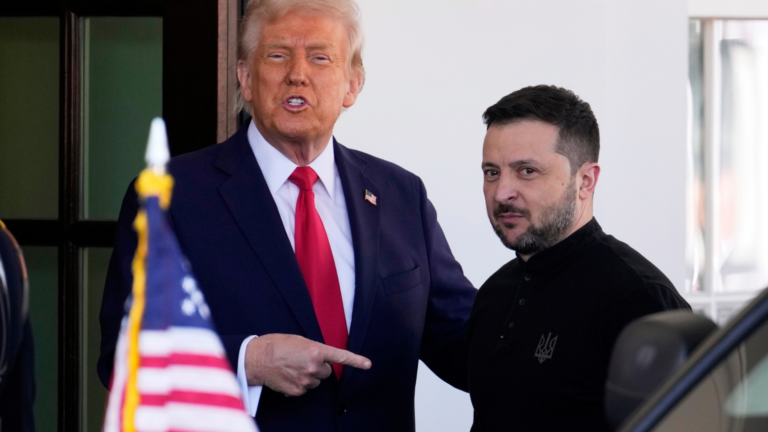
US President Donald Trump has moved to block a series of sanctions on Russia just two days before they were scheduled to take effect, deepening tensions with Ukrainian President Volodymyr Zelensky and triggering criticism from lawmakers in Washington.
The sanctions package had been approved by the US Congress and signed into law by Trump in September. However, in a surprise move late Friday, Trump issued an executive order suspending parts of the measures, arguing that delaying the sanctions was in the United States’ “national interest.”
The decision sparked swift backlash from members of Congress who supported the tougher stance against Moscow. Meanwhile, Zelensky expressed disappointment over Washington’s actions, saying it was unfortunate that the United States had chosen to “completely disregard” the sanctions designed to increase economic pressure on Russia.
Relations between Washington and Kyiv have deteriorated in recent weeks following a controversial agreement allowing the United States to import Russian diesel.
Ukrainian officials subsequently accused the Trump administration of withdrawing critical military support at a time when Ukraine continues to face significant security challenges.
The dispute has also spilled into the public arena, with Trump and Zelensky exchanging pointed remarks. Speaking at a European Union summit, Zelensky said it was refreshing to be among “real leaders,” an apparent swipe at the US president.
Trump responded by describing the Ukrainian leader as “more difficult to deal with” than Russian President Vladimir Putin.
The suspended sanctions were aimed at striking Russia’s economy by granting the US president broad authority to impose tariffs of up to 100 percent on imports from the five largest buyers of Russian oil and gas.
The legislation particularly targeted major energy purchasers, including China and India, as part of a wider effort to curb Moscow’s revenue streams and increase international pressure on the Kremlin.
The latest development raises fresh questions about the future of US policy toward Russia and Ukraine, with observers closely watching whether the sanctions delay marks a temporary pause or a broader shift in Washington’s strategic approach.




+ There are no comments
Add yours