Iran has said it has presented a proposal to the United States that could lead to the reopening of the strategically important Strait of Hormuz within a week, provided certain conditions are met.
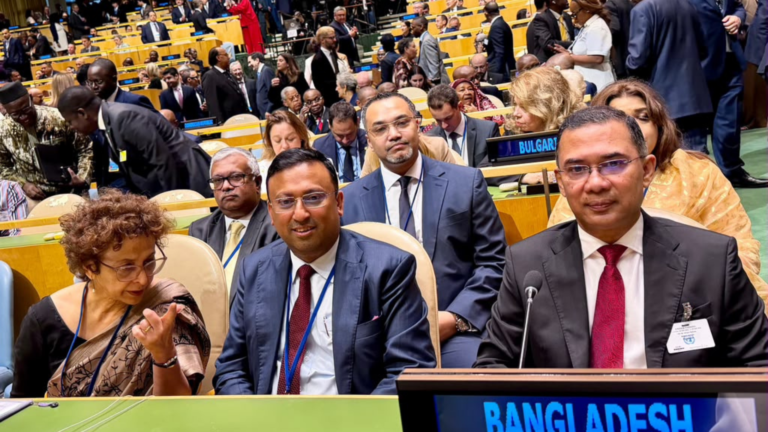
Speaking to reporters at the United Nations in New York, Iranian Foreign Minister Abbas Araghchi said the proposal was based on a previously signed memorandum of understanding (MOU) and had been conveyed to the United States through Qatar.
According to Araghchi, the framework for restoring normal maritime traffic through the waterway is already in place and now depends on decisions made by Washington. He stated that if the agreed conditions are fulfilled, commercial shipping through the Strait of Hormuz could resume within seven days.
The Strait of Hormuz is one of the world’s most critical energy transit routes, with around 20 percent of global oil and liquefied natural gas shipments traditionally passing through the narrow waterway. Its closure has contributed to volatility in global energy markets and raised concerns about supply disruptions.
The latest comments come amid ongoing tensions following military exchanges between Iran, the United States, and Israel earlier this year. The conflict significantly increased regional instability and disrupted maritime trade routes in the Gulf.
A US official, responding to questions about the Iranian proposal, said discussions were continuing through mediators and included broader issues such as Iran’s nuclear programme. However, the official suggested the United States was not under immediate pressure to act, noting its position regarding security in the region.
Iranian President Masoud Pezeshkian also indicated that progress could be made if both sides return to previously discussed understandings. He said Iran would be prepared to move forward with a ceasefire process if agreements already outlined were accepted. The president further stated that Iran would allow UN nuclear inspectors to resume activities in the country, a move that could help ease international concerns over its nuclear programme.
The developments come as diplomatic efforts continue on the sidelines of the United Nations General Assembly, with international attention focused on preventing further escalation in the Middle East and restoring stability to global energy markets.
Analysts say any agreement leading to the reopening of the Strait of Hormuz would be closely watched by governments, energy producers, and financial markets due to the waterway’s importance for global trade and energy security.





+ There are no comments
Add yours