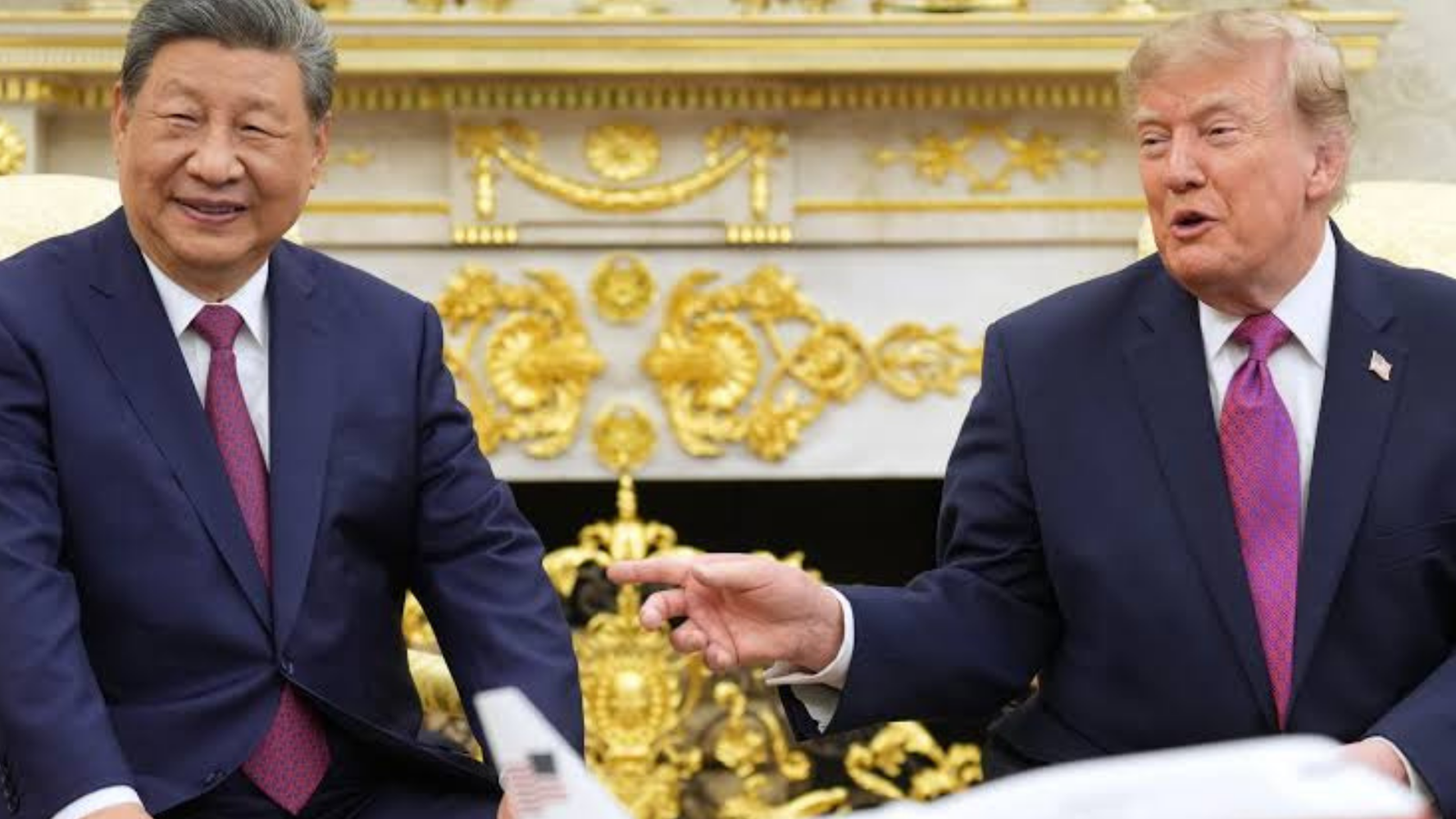
Chinese President Xi Jinping received a high-profile welcome in Washington this week, with ceremonial events, military honors, and public displays of goodwill highlighting his latest meeting with US President Donald Trump. But despite the diplomatic pageantry, observers say significant differences remain between the world’s two largest economies.
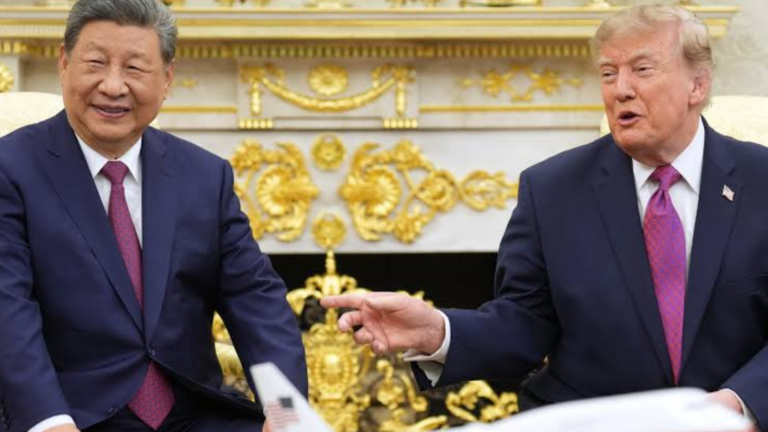
From Xi’s arrival at a US military air base to the formal welcome ceremony at the White House, the visit has been marked by symbolism and positive messaging from both leaders. Public statements focused on cooperation, stability, and the importance of maintaining dialogue between Washington and Beijing.
Ahead of formal talks, Xi announced several initiatives aimed at strengthening people-to-people ties, including a new student exchange programme and a gift of giant pandas. He said both nations should continue building friendship and cooperation while working together on global challenges.
Trump, meanwhile, said discussions would focus on key issues including security, technology, trade, and artificial intelligence. He emphasized that decisions made by the two countries today could have long-term implications for global peace, prosperity, and innovation.
Analysts suggest the elaborate ceremonies may serve a broader diplomatic purpose by projecting stability in the often complicated US-China relationship. The carefully choreographed events are seen as an effort to create a positive atmosphere while leaders discuss more difficult issues behind closed doors.
Despite the warm public tone, underlying tensions remain. During his remarks, Xi again referred to the concept often known as the “Thucydides Trap,” a theory suggesting that conflict can arise when an emerging power challenges an established one. He stressed that continued dialogue and mutual understanding were essential to avoiding confrontation and building trust.
The leaders face a range of unresolved issues, including trade disputes, technology competition, security concerns, and geopolitical rivalry. While previous meetings produced agreements to establish mechanisms for managing trade and investment relations, major policy differences have largely remained in place.
Observers note that while both governments appear eager to stabilize relations, reaching substantive agreements on the most contentious issues may prove difficult. As a result, this week’s summit is being viewed as an important diplomatic engagement rather than a breakthrough moment.
The meetings continue as the United States and China seek to manage one of the world’s most consequential bilateral relationships amid growing economic, technological, and strategic competition.







+ There are no comments
Add yours