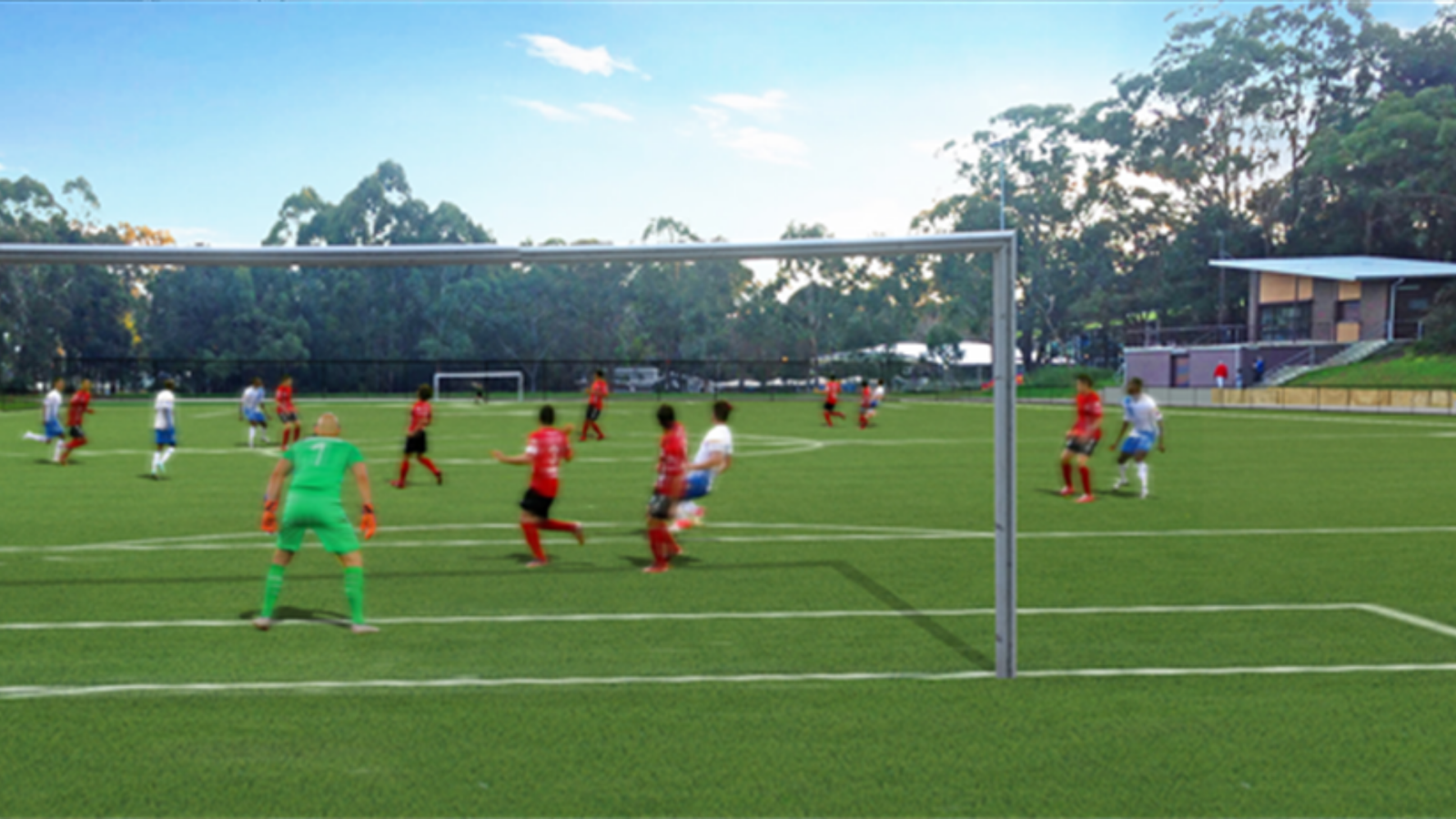
A newly elected mayor in Sydney’s north has pledged to move forward with a controversial $24.4 million synthetic sports field project, despite ongoing community opposition and concerns over the escalating cost of the development.
At an extraordinary meeting on Monday night, Ku-ring-gai Council voted to proceed with the synthetic turf upgrade of Norman Griffiths Oval, while also overturning an earlier decision to conduct community consultation on whether the field should feature synthetic or natural grass.
The project has become one of the council’s most debated infrastructure developments. Originally budgeted at $3.3 million in 2021, the upgrade’s cost has increased significantly over the years due to contractor disputes, construction delays, and changes to stormwater management requirements.
Newly elected Ku-ring-gai Mayor Kim Wheatley acknowledged concerns about the project’s cost but said completing the development was now the practical option after years of delays.
Newly elected Ku-ring-gai Mayor Kim Wheatley acknowledged concerns about the project’s cost but said completing the development was now the practical option after years of delays.
“It’s been sitting there idle for two years. It’s costing ratepayers a considerable amount of money per month,” Wheatley said.
She added that her approach as mayor is focused on delivering outcomes and ensuring long-delayed projects move forward.
A report by NSW Public Works found there was little difference in cost between the two options. According to the assessment, the natural turf proposal would have cost at least $24.2 million, while the synthetic field option was estimated at $24.4 million.
The council has also faced ongoing maintenance expenses while the site has remained unfinished. Since repossessing the construction site from the contractor in May last year, the council has reportedly spent around $60,000 per month maintaining the area.
Supporters of the synthetic field argue it will provide a more durable sporting surface capable of handling higher levels of community use throughout the year. Opponents, however, have raised concerns about costs, environmental impacts, and the decision-making process surrounding the project.
The council’s latest vote clears the way for the synthetic field development to continue, bringing the long-running and contentious project a step closer to completion.






+ There are no comments
Add yours