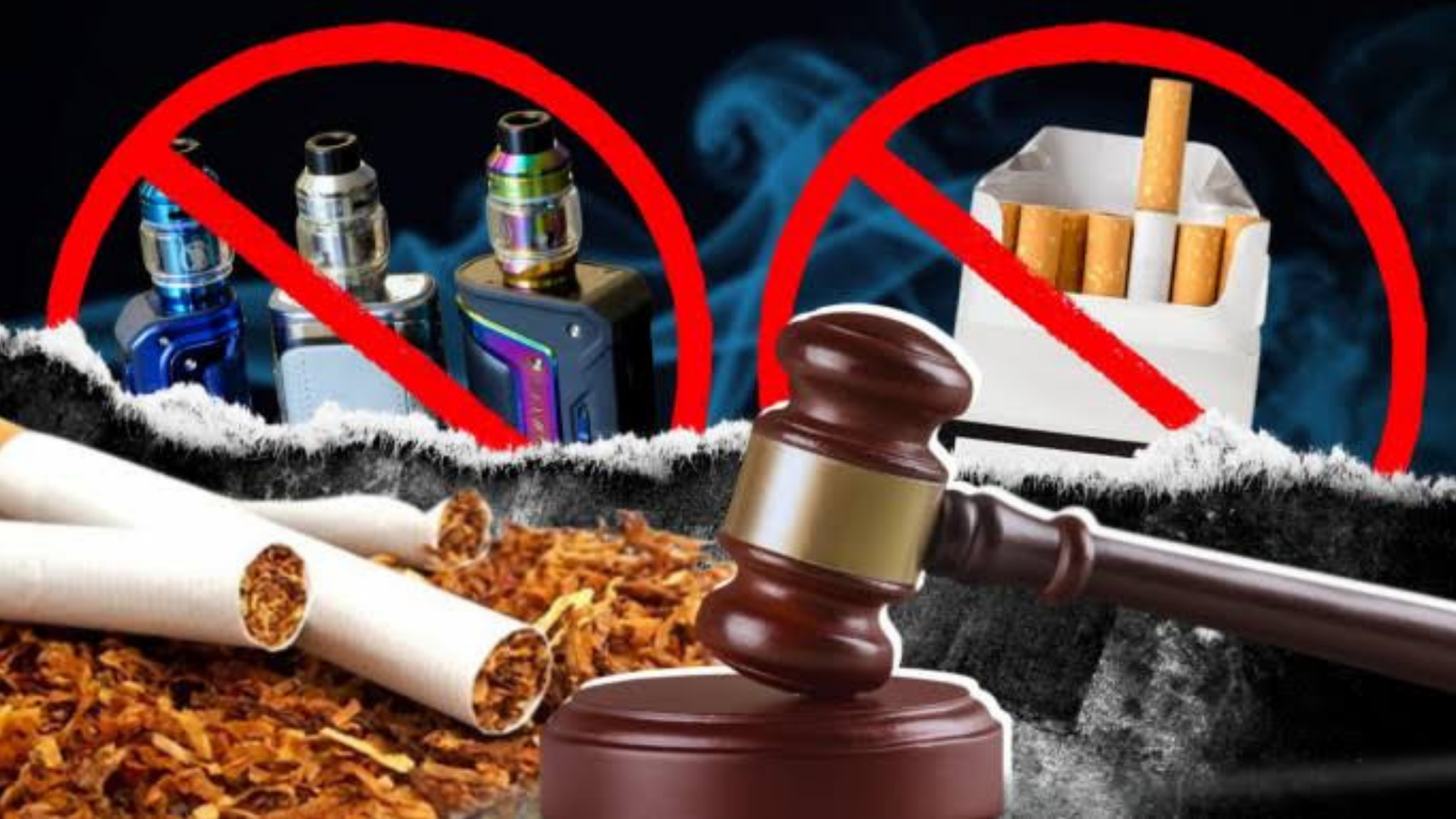
South Australia’s Police Commissioner Grant Stevens has renewed calls for tougher laws targeting the illicit tobacco trade, suggesting authorities should consider penalising people who purchase illegal cigarettes, not just those who sell or import them.
Speaking on ABC Adelaide, Stevens argued that targeting consumers could help dismantle the lucrative black-market tobacco industry that continues to fuel organised crime across the state.
“There is an opportunity for people to avoid significant costs by purchasing illicit tobacco, and I think that there are questions that need to be asked about how we can kill off the market,” the commissioner said.
Stevens questioned why individuals who buy illegal tobacco products currently face no legal consequences despite contributing to demand for a market often linked to criminal networks. He pointed out that while it is illegal to import and sell illicit tobacco, purchasing and using it remains lawful.
“Why are there no sanctions for people who are, essentially, creating the market for organised crime?” he asked.
The police commissioner has raised the issue before, having made a similar proposal two years ago. While acknowledging that South Australia’s illicit tobacco problem is less severe than in some eastern states, Stevens warned that the underground market has nevertheless led to a range of serious criminal activities.
According to the commissioner, illegal tobacco operations have increasingly become targets of violent crime, including arson attacks, drive-by shootings and assaults, as organised criminal groups compete for control of the profitable trade.
“We certainly have a problem with illicit tobacco distributors being the target of criminal offending, including arsons; we’ve had some drive-by shootings, we’ve had assaults,” Stevens said.
He added that the growing presence of the black-market industry in South Australia has prompted a dedicated police task force to investigate criminal activity linked to illicit tobacco. Stevens argued that organised crime continues to exploit the sector because demand remains strong and the market has been allowed to flourish.“Why are there no sanctions for people who are, essentially, creating the market for organised crime?” he asked.
The police commissioner has raised the issue before, having made a similar proposal two years ago. While acknowledging that South Australia’s illicit tobacco problem is less severe than in some eastern states, Stevens warned that the underground market has nevertheless led to a range of serious criminal activities.
According to the commissioner, illegal tobacco operations have increasingly become targets of violent crime, including arson attacks, drive-by shootings and assaults, as organised criminal groups compete for control of the profitable trade.
“We certainly have a problem with illicit tobacco distributors being the target of criminal offending, including arsons; we’ve had some drive-by shootings, we’ve had assaults,” Stevens said.
He added that the growing presence of the black-market industry in South Australia has prompted a dedicated police task force to investigate criminal activity linked to illicit tobacco. Stevens argued that organised crime continues to exploit the sector because demand remains strong and the market has been allowed to flourish.
He added that the growing presence of the black-market industry in South Australia has prompted a dedicated police task force to investigate criminal activity linked to illicit tobacco. Stevens argued that organised crime continues to exploit the sector because demand remains strong and the market has been allowed to flourish.
The renewed proposal is likely to spark debate over whether tougher penalties for consumers could help curb illegal tobacco sales or place greater responsibility on smokers seeking cheaper alternatives amid rising tobacco prices.
As authorities intensify their crackdown on organised crime, Stevens maintains that reducing consumer demand may be a critical step in disrupting the illicit tobacco supply chain and improving community safety.







+ There are no comments
Add yours