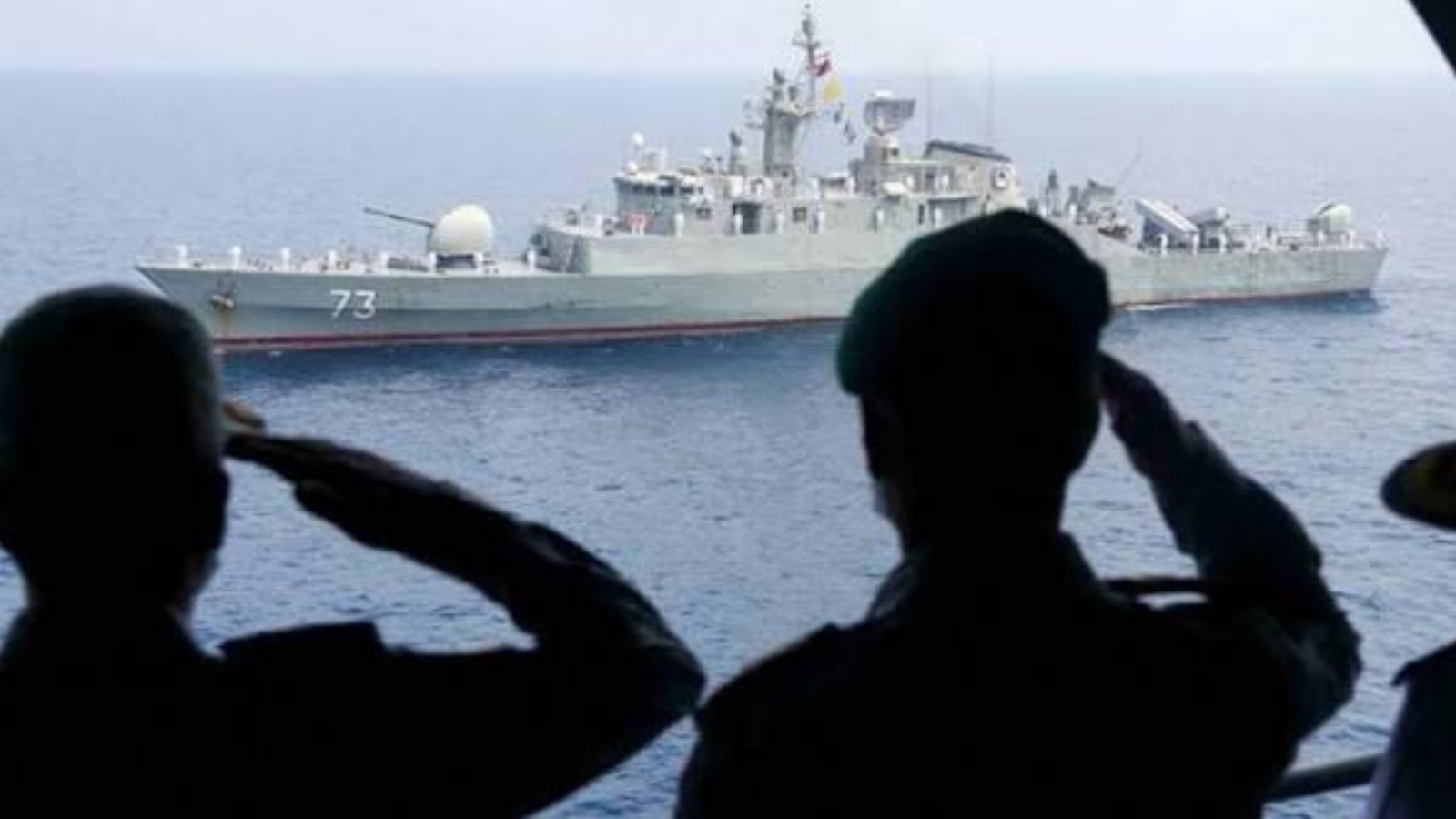
Iran has issued a strong warning to South Korea against participating in any US-led military operations in the Strait of Hormuz, saying such involvement would be viewed as direct support for Washington and could lead to “serious consequences.”
The warning came after Seoul announced on Friday that it was considering potential contributions to US security efforts in the strategically vital Strait of Hormuz. South Korean officials stressed that any decision would depend on maintaining the country’s own military readiness and noted that no final determination had yet been made.
Responding to the possibility, Iranian Foreign Ministry spokesperson Esmaeil Baqaei urged South Korea not to yield to what he described as American pressure and intimidation. In a statement posted on X, Baqaei said any military deployment or participation in operations in the Persian Gulf or the Strait of Hormuz would be regarded by Tehran as direct support for the party responsible for aggression against Iran.
Responding to the possibility, Iranian Foreign Ministry spokesperson Esmaeil Baqaei urged South Korea not to yield to what he described as American pressure and intimidation. In a statement posted on X, Baqaei said any military deployment or participation in operations in the Persian Gulf or the Strait of Hormuz would be regarded by Tehran as direct support for the party responsible for aggression against Iran.
Tensions in the region have remained high since the outbreak of war between Iran and the United States on February 28. Although a ceasefire reached in April ended the most intense phase of hostilities, sporadic exchanges of fire have continued in and around the Strait of Hormuz, a critical maritime route for global energy supplies.
Negotiations between Tehran and Washington have since stalled as both sides remain locked in a dispute over control and access to the waterway. Under normal circumstances, the Strait of Hormuz handles approximately one-fifth of the world’s oil and liquefied natural gas exports, making it one of the most strategically important shipping corridors on the planet.
Responding to the possibility, Iranian Foreign Ministry spokesperson Esmaeil Baqaei urged South Korea not to yield to what he described as American pressure and intimidation. In a statement posted on X, Baqaei said any military deployment or participation in operations in the Persian Gulf or the Strait of Hormuz would be regarded by Tehran as direct support for the party responsible for aggression against Iran.
Tensions in the region have remained high since the outbreak of war between Iran and the United States on February 28. Although a ceasefire reached in April ended the most intense phase of hostilities, sporadic exchanges of fire have continued in and around the Strait of Hormuz, a critical maritime route for global energy supplies.
Negotiations between Tehran and Washington have since stalled as both sides remain locked in a dispute over control and access to the waterway. Under normal circumstances, the Strait of Hormuz handles approximately one-fifth of the world’s oil and liquefied natural gas exports, making it one of the most strategically important shipping corridors on the planet.









+ There are no comments
Add yours