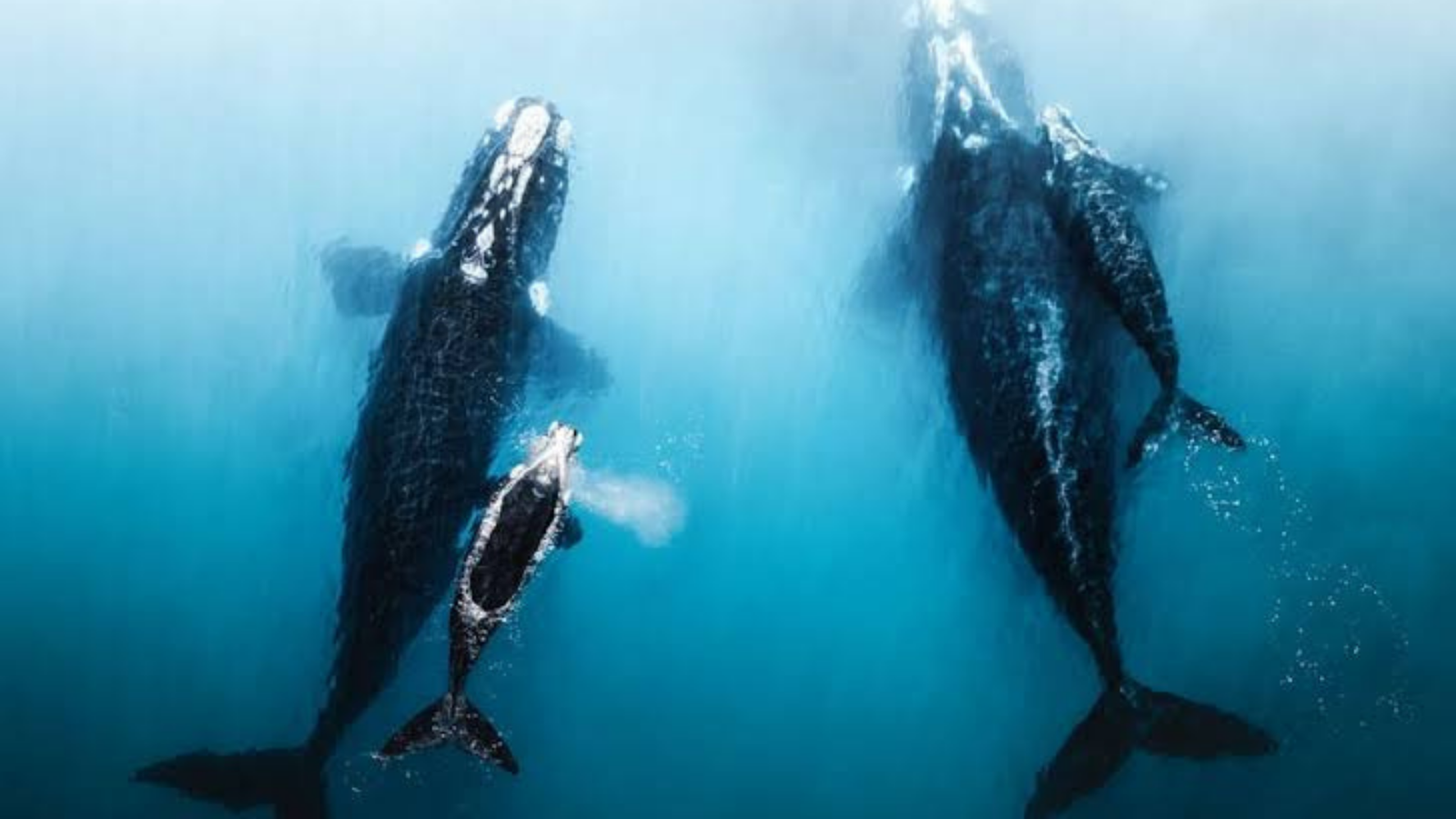
Southern right whales continue their annual migration from Antarctica to Australia’s southern coastline each winter, but new research suggests changes in their breeding patterns could be slowing the recovery of the species despite decades of conservation success.
For the past 50 years, scientists have monitored the migration and calving behaviour of southern right whales along Australia’s south-west coastline, stretching from Fremantle in Western Australia to Ceduna in South Australia. The long-running research program has provided valuable insights into population trends and emerging challenges facing one of the nation’s most iconic marine species.
This year’s whale census, led by Murdoch University senior researcher Joshua Smith, recorded 520 southern right whales across the region, including 235 cow-calf pairs. The survey also identified approximately 50 unaccompanied whales, highlighting continued use of traditional breeding and resting habitats.New Research Reveals Concerning Shift in Southern Right Whale Breeding Patterns
Southern right whales continue their annual migration from Antarctica to Australia’s southern coastline each winter, but new research suggests changes in their breeding patterns could be slowing the recovery of the species despite decades of conservation success.
For the past 50 years, scientists have monitored the migration and calving behaviour of southern right whales along Australia’s south-west coastline, stretching from Fremantle in Western Australia to Ceduna in South Australia. The long-running research program has provided valuable insights into population trends and emerging challenges facing one of the nation’s most iconic marine species.
This year’s whale census, led by Murdoch University senior researcher Joshua Smith, recorded 520 southern right whales across the region, including 235 cow-calf pairs. The survey also identified approximately 50 unaccompanied whales, highlighting continued use of traditional breeding and resting habitats.
At the Head of the Great Australian Bight Commonwealth Marine Park, Australian Right Whale Research Program chief scientist Claire Charlton conducted land-based monitoring from the Yalata Indigenous Protected Area. While overall whale sightings were lower this year, researchers documented 61 mother-calf pairs in the Bight, accounting for more than 30 percent of the south-west population.
Dr Charlton described the result as a major conservation achievement for the marine park, emphasizing the continued importance of the Great Australian Bight as a critical breeding ground for southern right whales.
Despite the encouraging number of mother-calf pairs, researchers say long-term data points to growing concerns about the species’ recovery. Dr Smith noted that southern right whale populations appear to be stagnating, with little evidence of significant population growth in recent years.
Traditional calving sanctuaries, including the Head of Bight in South Australia and Israelite Bay in Western Australia, remain active and continue to attract breeding whales. However, researchers observed that overall activity across these locations was quieter than expected.
One of the most significant findings from the ongoing monitoring program is a change in reproductive cycles. Scientists have found that the intervals between calving events are increasing, a trend that could have important consequences for population growth. Longer gaps between births mean fewer calves are being added to the population over time, potentially slowing recovery rates.
Researchers say the trend can only be fully understood through long-term monitoring, as it often takes multiple reproductive cycles spanning several years to accurately assess changes in whale populations. The latest findings underscore the importance of continued conservation efforts and scientific research to ensure the long-term survival and recovery of southern right whales in Australian waters.











+ There are no comments
Add yours