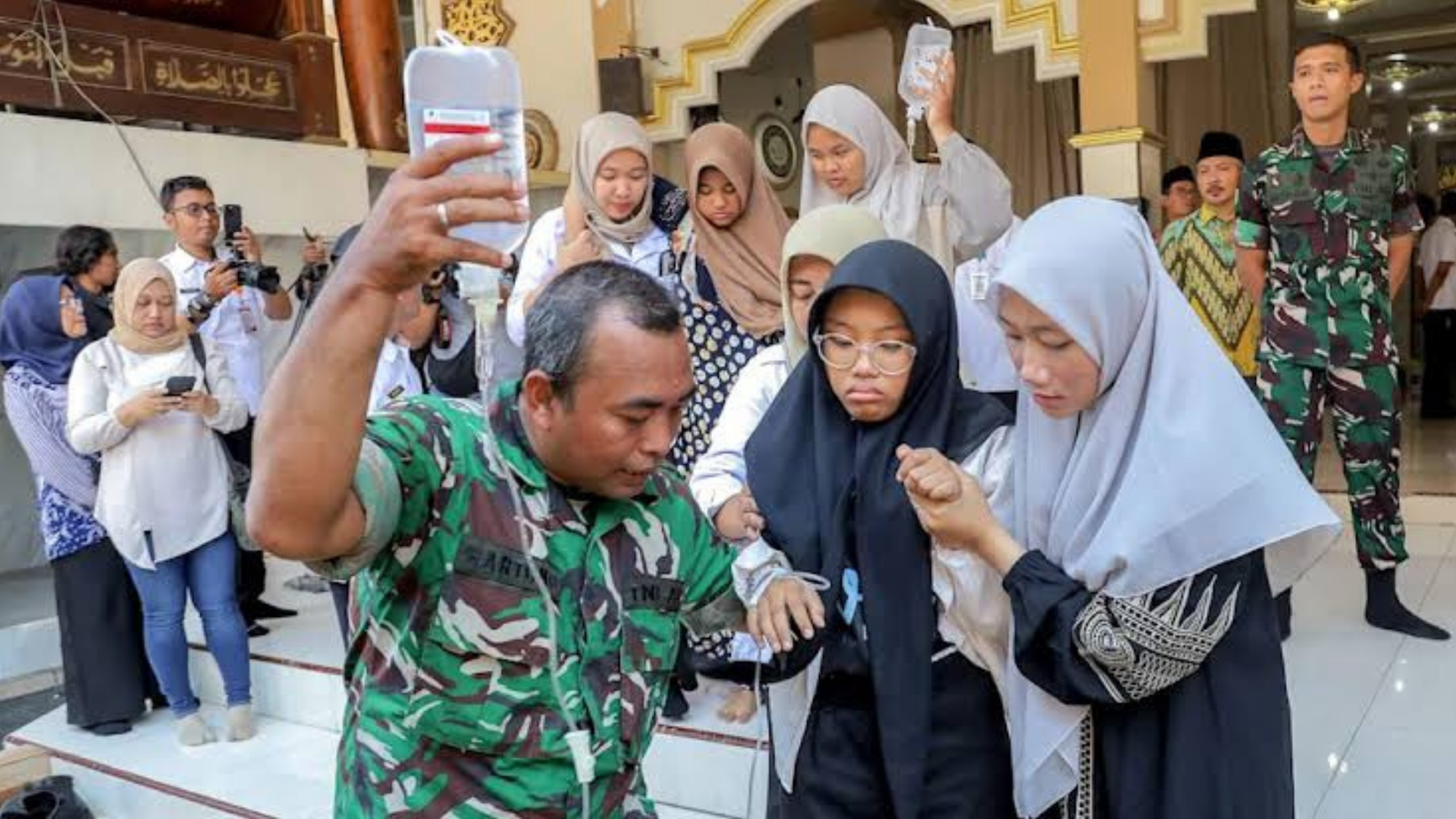
Indonesia’s flagship Free Nutritious Meals program has come under renewed scrutiny after nearly 2,000 people fell ill in a series of suspected food poisoning incidents across several provinces, raising fresh concerns about food safety as the government accelerates the nationwide expansion of the initiative.
The cases, reported between Tuesday and Thursday, affected approximately 1,950 students, teachers and Islamic boarding school pupils who allegedly became sick after consuming meals distributed under the government-funded program, known locally as MBG. The initiative is a signature policy of President Prabowo Subianto and is designed to improve nutrition among schoolchildren across the country.
The latest incidents were reported in East Java, Central Java, West Sumatra, Aceh and South Sulawesi, adding to a growing list of food safety concerns that have plagued the multi-billion-dollar program since its rollout. The outbreaks also come amid previous allegations of mismanagement and corruption linked to the initiative.
The largest reported outbreak occurred in Rembang Regency, Central Java, where 752 students and 25 teachers from State Senior High School 1 Lasem experienced symptoms including diarrhoea, nausea, vomiting and stomach pain after consuming meals provided through the program, according to local health officials.
Another major incident was reported in Sidoarjo, East Java, where 730 people, most of them students at the Manbaul Hikam Islamic boarding school, were affected in a separate suspected food poisoning case linked to the meal distribution scheme.
In West Sumatra’s Agam Regency, authorities recorded 276 suspected cases involving students and teachers. Following the outbreak, food distribution from the local nutrition service centre was suspended while officials launched an investigation into the cause of the illnesses.
Meanwhile, in Aceh’s Bener Meriah Regency, 15 elementary school students and a school principal required medical treatment after suffering symptoms including dizziness and nausea following the consumption of school meals.
Health authorities said many of those affected have since recovered. Sidoarjo Health Office chief Lakhsmie Herawati Yuwantina reported that 706 victims had been discharged from medical care and were recovering at home.
The repeated incidents have intensified public concern over food handling, quality control and safety standards within one of Indonesia’s most ambitious social welfare programs. As investigations continue across the affected regions, officials face mounting pressure to strengthen oversight measures to ensure that the initiative achieves its nutritional goals without compromising public health.












+ There are no comments
Add yours