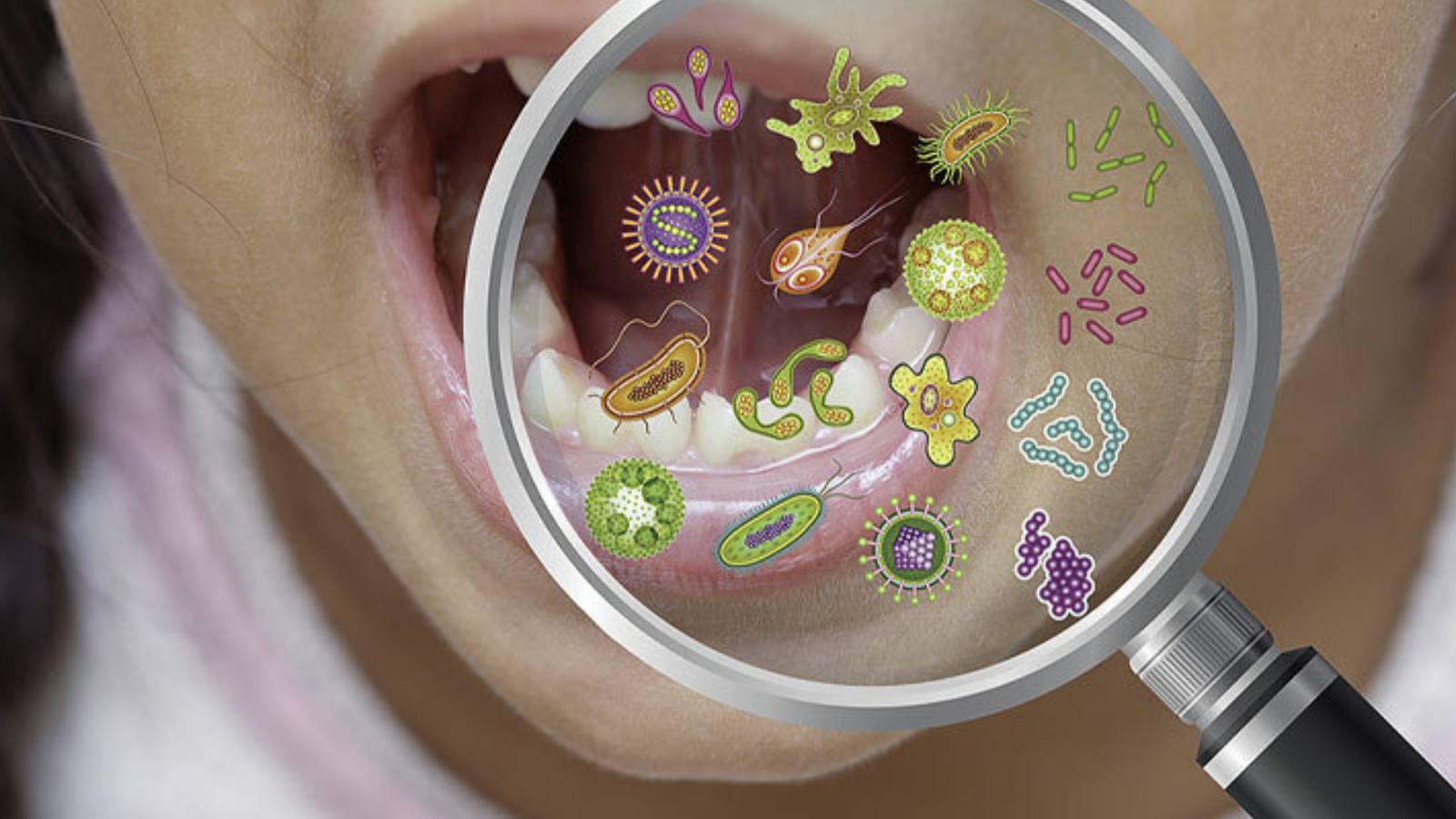
Most people know that eating too much sugar can damage teeth, but emerging research suggests that maintaining a healthy mouth is about far more than avoiding sweets. Scientists are increasingly discovering that the oral microbiome, the vast community of bacteria and other microorganisms living inside the mouth, plays a critical role not only in dental health but also in overall wellbeing.
The oral microbiome consists of roughly 700 species of bacteria, along with viruses, fungi and other microbes that coexist within the mouth. While some of these microorganisms can contribute to disease, many perform essential functions that help protect teeth, gums and even other parts of the body. Experts now believe that nurturing this delicate ecosystem through proper nutrition and oral hygiene could have far-reaching health benefits.
Among the most harmful oral bacteria is Streptococcus mutans, a microbe that thrives on sugar and produces acids capable of eroding tooth enamel. Over time, this process can lead to cavities, one of the most common health conditions worldwide. In the United States alone, more than 80% of adults have experienced dental cavities by their mid-30s.
However, not all bacteria in the mouth are harmful. Beneficial microbes such as Veillonella, Actinomyces, certain species of Streptococcus, and Neisseria help maintain balance within the oral environment. These friendly bacteria can prevent dangerous pathogens from gaining a foothold and may contribute to stronger oral health by supporting a more diverse microbiome.
The importance of oral health extends well beyond teeth and gums. Poor brushing habits can allow bacterial pockets to form between the teeth and gums, creating ideal conditions for harmful bacteria such as Porphyromonas gingivalis. This microorganism is a major contributor to gum disease and has been increasingly linked to a range of serious health conditions.
Researchers have associated poor oral microbiome health with an elevated risk of cardiovascular disease, diabetes, depression, Alzheimer’s disease, inflammatory bowel disease, rheumatoid arthritis and complications during pregnancy, including preterm birth. In recent years, scientific attention has also focused on possible links between oral bacteria and certain forms of cancer.
One recent study conducted by researchers across the United States examined saliva samples from participants and tracked their long-term health outcomes. The findings indicated that individuals whose oral microbiomes contained bacteria associated with tooth decay, along with Candida yeast, faced a higher risk of developing pancreatic cancer.
As researchers continue to explore the connections between oral health and chronic disease, one message is becoming increasingly clear: caring for the oral microbiome is about much more than preventing cavities. Diet choices, regular brushing, flossing and maintaining a balanced microbial environment may play a vital role in supporting both oral and overall health.
Foods that promote beneficial bacteria, including fruits, dairy products such as cheese, and other nutrient-rich options, could help strengthen this important ecosystem. As scientific understanding grows, the oral microbiome is emerging as one of the most influential and overlooked factors in long-term health.















+ There are no comments
Add yours